






































Login Register
DIY Guides

Hang Heavy Items on Plasterboard: Your Ultimate UK DIY Guide

Plasterboard walls are incredibly common in UK homes, offering a quick and relatively inexpensive way to build interior partitions. However, their perceived fragility often strikes fear into the hearts of DIY enthusiasts when it comes to hanging anything heavier than a small picture frame. Mounting a hefty flat-screen TV, a set of sturdy bookshelves, or even a new radiator can seem like a daunting task on plasterboard alone.

Fear not! With the right knowledge, tools, and a bit of confidence, you can safely and securely hang even the heaviest items on plasterboard walls. This comprehensive guide from DSIDE.co.uk will walk you through everything you need to know, from identifying studs to choosing the best heavy-duty fixings available in the UK.

Understanding Your Plasterboard Wall

Before you even think about drilling, it’s crucial to understand what you’re dealing with. Plasterboard (or drywall, as it's often called elsewhere) is essentially a layer of plaster pressed between two sheets of paper. It's strong enough for many everyday items, but its core isn't designed to bear significant loads independently. Behind the plasterboard, you'll typically find a timber or metal stud frame, or sometimes a solid masonry wall (brick or block) with an air gap and then the plasterboard.

The key to hanging heavy items safely is to either:

  1. Fix directly into a structural element behind the plasterboard (e.g., a timber stud or solid masonry).
  2. Use specialised fixings designed to spread the load across a larger area of the plasterboard itself, or bridge the gap to a solid wall.

Locating Studs: The Gold Standard

The safest and most secure way to hang anything heavy is to screw directly into a wooden or metal stud. Studs are the vertical framework members that support the plasterboard. They run from floor to ceiling and are usually spaced at either 400mm or 600mm centres.

How to Find Studs:

  • Electronic Stud Finder: This is your best friend. Brands like DeWalt, Bosch, and Ryobi offer reliable stud finders (e.g., Bosch D-tect 120, Ryobi ESF5000) that can detect timber, metal, and even live electrical wires behind the plasterboard. They typically cost between £30-£150 and are available at Screwfix, Toolstation, or Amazon UK.
    Pro Tip: Always calibrate your stud finder on a known clear section of wall before use. Scan horizontally across the wall in both directions to confirm stud edges.
  • Tapping Method: Tap along the wall with your knuckles. A hollow sound indicates plasterboard only, while a dull, solid sound suggests a stud. This method requires practice and isn't always reliable for precise location.
  • Electrical Outlets/Switches: These are almost always fixed to a stud. You can often find a stud directly adjacent to one side of an outlet box.
  • Measuring: If you find one stud, measure 400mm or 600mm horizontally to locate the next one. This isn't foolproof due to variations in construction, but it's a good guide.

Once you've found a stud, use a pencil to mark its centre. You can then use appropriate wood screws (often supplied with the item you're hanging) to secure your item directly into this strong point.

When Studs Aren't an Option: Heavy-Duty Plasterboard Fixings

What if your ideal hanging spot doesn't align with a stud? Don't panic! Modern plasterboard fixings are incredibly robust. Here are the most effective types for heavy items:

1. Self-Drill Plasterboard Plugs

These are suitable for moderately heavy items, typically up to 10-15kg per fixing. They're quick and easy to install. You simply screw them directly into the plasterboard (often no pre-drilling required), and then your screw goes into the plug.

  • Examples: Rawlplug Uno, Fischer DuoPower (some variants are suitable for plasterboard), metal self-drill fixings.
  • Typical Price: £5-£15 for a pack of 10-50.
  • Where to Buy: Screwfix, Toolstation, Amazon UK.

2. Toggle Bolts / Spring Toggles

For heavier items (up to 20-30kg per fixing, depending on plasterboard thickness and arm length), toggle bolts are an excellent choice. They require a larger drill hole, through which you insert the collapsed toggle. Once through the hole, the toggle's wings spring open behind the plasterboard, creating a wide anchor that distributes the weight effectively.

  • Installation: Drill a hole (check fixing instructions for size), push the toggle through, pull back gently to engage the wings, then tighten the screw.
  • Consideration: Ensure there's enough clear space behind the plasterboard for the wings to open fully.
  • Typical Price: £8-£20 for a pack of 4-10.
  • Where to Buy: Screwfix, Toolstation, Amazon UK.

3. Corefix / Rigifix / GripIt Fixings: The Ultimate Heavy-Duty Solutions

When you need to hang something seriously heavy – like a large TV, a chunky floating shelf, a radiator, or wall cabinets – these specialised fixings are your go-to. They are designed to hold significant weights, often rated for 50kg, 100kg, or even more, per fixing.

Corefix & Rigifix

These systems are brilliant for bridging the gap between plasterboard and a solid masonry wall behind it. They involve drilling through the plasterboard and into the masonry, then inserting a sleeve that creates a solid anchor point from the masonry, through the plasterboard, to the surface.

  • Corefix Dot & Dab: Specifically designed for dot & dab walls (plasterboard adhered to masonry with dabs of adhesive). It provides a secure fixing point directly into the brick or block behind. A pack of 4 can cost around £15-£25.
  • Rigifix: Similar principle to Corefix, offering robust structural support by fixing into the masonry behind. Often used for radiators and TV brackets.
  • Installation: Requires precise drilling through plasterboard and into masonry using a powerful combi drill (like a DeWalt DCD796 or Makita DHP485, which have hammer functions for masonry) and the correct drill bit sizes.

GripIt Fixings

GripIt fixings are unique expanding anchors specifically designed for plasterboard. They come in various sizes (e.g., 15mm, 18mm, 20mm, 25mm) for different weight loads. Once installed, four wings expand behind the plasterboard, creating a super strong, secure anchor.

  • Weight Capacity: Depending on the size, a single GripIt fixing can hold from 20kg up to an incredible 100kg+ in ideal conditions.
  • Installation: Requires a flat drill bit (spade bit) of the corresponding GripIt size. Drill the hole, insert the GripIt, and then use a screwdriver or GripIt setting tool to expand the wings behind the plasterboard.
  • Typical Price: £5-£15 for a pack of 4.
  • Where to Buy: Widely available at Screwfix, Toolstation, and Amazon UK.

Step-by-Step Guide to Hanging Heavy Items

Once you’ve chosen your fixing method, follow these steps for a successful installation:

  1. Measure and Mark: Use a tape measure and spirit level (a laser level like a Bosch GLL 3-80 C or DeWalt DW088K can be invaluable for larger items) to precisely mark where your item will go and where the fixing points are. Double-check all measurements.
  2. Locate Studs (If Applicable): Use your stud finder to check for studs in your marked areas. If you find one, adjust your plans to utilise it if possible.
  3. Scan for Services: Always use a multi-scanner (like the Bosch D-tect 120 or a Milwaukee M12DETECTOR) to check for electrical wires, water pipes, and gas lines before drilling. This is non-negotiable for safety!
  4. Drill Pilot Holes: Use a combi drill (e.g., a Makita DHP485, Bosch GSB 18V-21, or Milwaukee M18 FPD2) with the correct drill bit size for your chosen fixing. For plasterboard, typically a sharp HSS (High-Speed Steel) or wood drill bit is sufficient. For Corefix/Rigifix into masonry, use a masonry bit and the hammer function. For GripIt, use a spade bit.
  5. Insert Fixings: Carefully follow the manufacturer's instructions for your chosen plasterboard fixings. Ensure they are fully seated and secure before proceeding.
  6. Mount Your Item: With the fixings in place, carefully lift and attach your item. For very heavy items, this is a two-person job. Tighten all screws securely, but don't overtighten, as this can damage the plasterboard or fixing.
  7. Check Stability: Give the item a gentle wiggle test to ensure it's firmly secured.

Essential Tools You'll Need

To tackle this job safely and effectively, you'll want to have these tools handy:

  • Combi Drill: A powerful cordless combi drill (like models from DeWalt, Makita, Bosch, Milwaukee, or Ryobi) with hammer function is ideal. Expect to pay £100-£300 for a decent one.
  • Drill Bit Set: HSS, wood, and masonry bits in various sizes.
  • Stud Finder/Multi-Scanner: Crucial for safety and accurate placement.
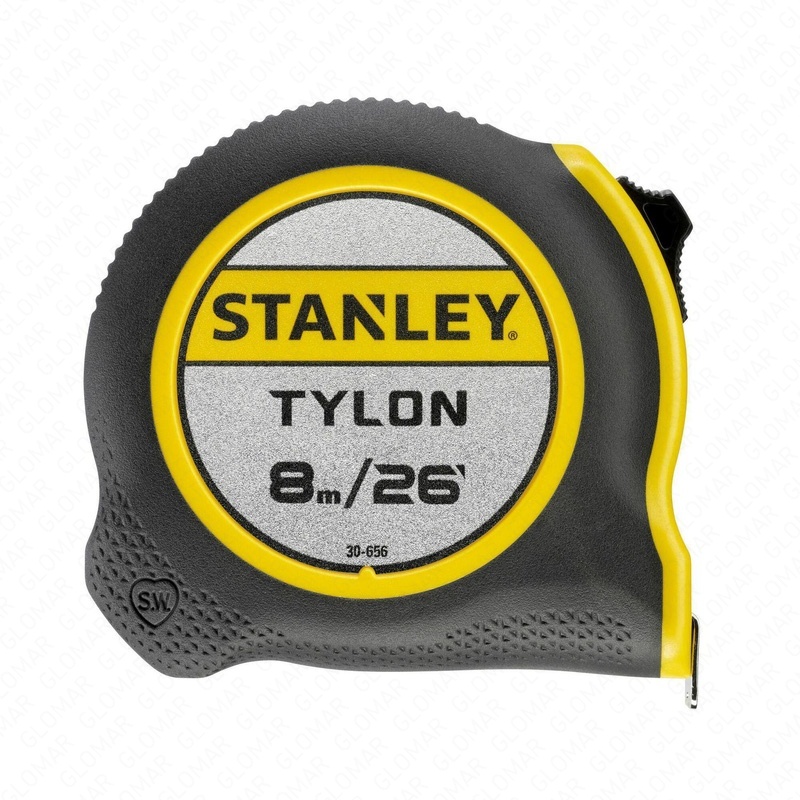
  • Tape Measure: For precise marking.
  • Spirit Level (or Laser Level): Ensures your item is straight.
  • Pencil: For marking.
  • Screwdriver Set: To tighten screws.
  • Safety Glasses and Dust Mask: Always protect your eyes and lungs!

Where to Buy Your Tools and Fixings

You'll find all the tools and fixings mentioned in this guide at leading UK retailers such as Screwfix, Toolstation, and Amazon UK. Always compare prices to get the best deal.

Remember, for all your tool and fixing needs, you can compare prices instantly on DSIDE.co.uk. Don't pay over the odds – find the best deals on DeWalt drills, Makita impact drivers, Bosch stud finders, and all the heavy-duty plasterboard fixings you need, right here on DSIDE.

Conclusion

Hanging heavy items on plasterboard walls doesn't have to be a source of stress. By understanding the different types of fixings available, identifying studs, and using the right tools, you can confidently and safely mount everything from your widescreen TV to a new set of kitchen cabinets. Prioritise safety, take your time, and enjoy the satisfaction of a job well done!

Comments (0)

Please log in to leave a comment.

No comments yet. Be the first to share your thoughts!

200,000+ Products
220+ Trusted Sellers
183,000+ Price Points
72hr Price Updates

Featured Brands

All Brands