










































Unlock the secrets of your tape measure! Learn to read imperial and metric markings, discover hidden features, and measure accurately for any DIY project.
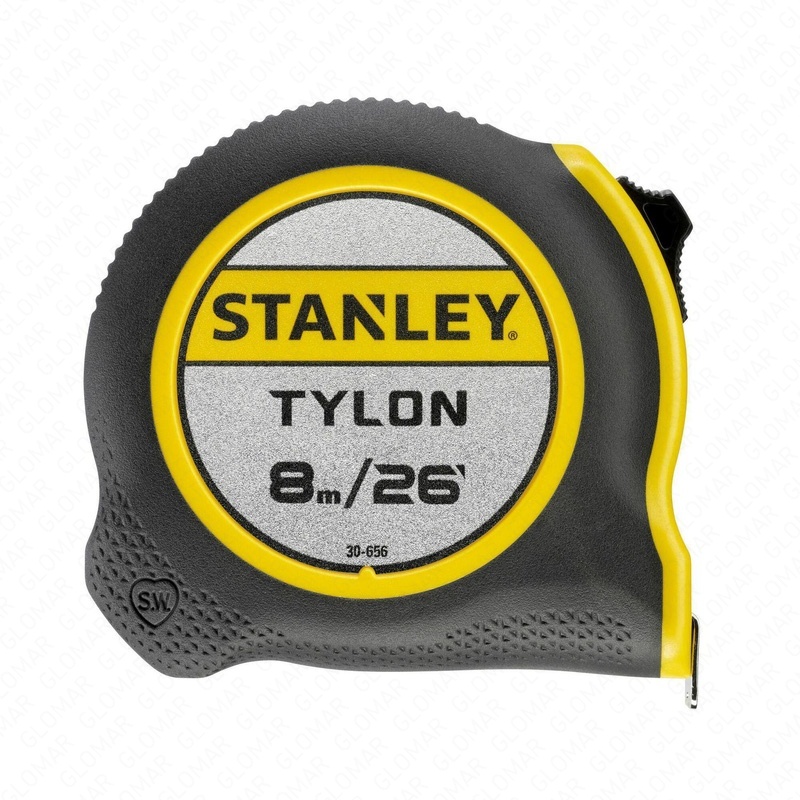
Ever found yourself staring blankly at a tape measure, confident in the big numbers but utterly bewildered by the myriad of lines in between? You’re not alone! Many DIY enthusiasts and even seasoned tradespeople rely on instinct or simple memorisation, missing out on crucial details that make measuring faster, more accurate, and less frustrating. Here at DSIDE.co.uk, your go-to for comparing prices on top tool brands like DeWalt, Makita, and Bosch, we believe that understanding your tools fully is the first step to a successful project. So, let’s unreel the mysteries of the humble tape measure.
Accuracy is king in DIY and construction. A millimetre here or an eighth of an inch there might seem trivial, but it can lead to ill-fitting shelves, wonky door frames, or wasted materials. Imagine building a shed with timber purchased from Screwfix or Toolstation, only to find your cuts are consistently off because you misread your tape. That’s a costly mistake!
While most modern tape measures sold in the UK, whether it’s a robust DeWalt, a durable Makita, or an ergonomic Bosch, offer both metric (millimetres, centimetres) and imperial (inches, feet) scales, truly mastering them means understanding the finer increments.
The metric system is wonderfully straightforward, but there are still nuances to appreciate.
Ah, the imperial system – full of fractions! It can seem daunting at first, but with a bit of practice, it becomes second nature.
Imagine one inch as a cake you need to slice. Each line represents a division:
Pro Tip: When reading fractions, always count up from the last whole inch mark. For example, if you're at 3 inches and then three of the 1/8 inch marks, you have 3 and 3/8 inches.
Tape measures are surprisingly feature-rich! Look for these often-overlooked details:
Some imperial tape measures (especially brands like Stanley or Milwaukee) feature small black diamonds or triangles at regular intervals, often every 19.2 inches. What are they for? These are 'truss marks' or 'stud finders'. They indicate common spacing for engineered floor joists and roof trusses in construction, making it easier to lay out joists evenly. While perhaps more common in US construction, they can still be a handy reference.
Take a closer look at the metal hook at the end of your tape. It often wiggles slightly. This isn't a fault; it’s a clever design feature! The hook is designed to compensate for its own thickness. When you're measuring an outside measurement (hooking onto an edge), the hook pulls out slightly, accounting for its thickness. When measuring an inside measurement (pushing the hook against an internal corner), it pushes in, again accounting for its thickness. This ensures you always get a 'true zero' measurement.
Many tape measure cases have a measurement printed on them (e.g., 70mm or 3 inches). This isn't random! It tells you the exact length of the case itself. This is incredibly useful for internal measurements where you can't bend the tape into a corner. Simply extend the tape until it touches one wall, note the measurement, then add the length of the case to get the total internal distance.
Okay, not every tape has this, but some high-end models from brands like Milwaukee or Bahco integrate small slots or magnets designed to hold a pencil or even a mini eraser, keeping your marking tool always at hand. A small touch that makes a big difference!
With so many options available – from budget-friendly Erbauer tapes at Toolstation to premium Hultafors or Sola models – how do you choose? Consider:
No matter what you’re looking for, remember you can always compare prices on DSIDE.co.uk to find the best deals on tape measures and thousands of other tools from top UK retailers. Whether you need a new Ryobi tape measure for your woodworking projects or a heavy-duty Bosch for site work, we’ve got you covered.
Your tape measure is more than just a strip of metal; it's a precision instrument. By taking the time to understand its markings – from the tiny millimetres to the fractional inches and those mysterious black diamonds – you unlock its full potential. This deeper knowledge will empower you to tackle any DIY project with greater confidence and accuracy, saving you time, effort, and money. Happy measuring!
Price alerts on the kit you're reading about, plus the bargains our team files each day.
Create a free account
Comments (0)
No comments yet.