A fresh set of interior doors can dramatically transform the look and feel of your home, adding style, improving insulation, and enhancing privacy. While fitting a new door might seem like a daunting task for the average DIYer, with the right tools, a bit of patience, and a clear guide, it's a perfectly achievable project. This comprehensive guide from DSIDE.co.uk will walk you through every step of fitting interior doors, ensuring a professional finish without the professional price tag.
Before you even pick up a tape measure, remember that equipping yourself with the right gear is half the battle. At DSIDE.co.uk, you can easily compare prices on all the tools and hardware you'll need, helping you get the best deals from top UK retailers like Screwfix, Toolstation, and Amazon UK.
Having the correct tools readily available will make your door fitting project smoother and more enjoyable. Here's a rundown of what you'll need, with some brand suggestions:
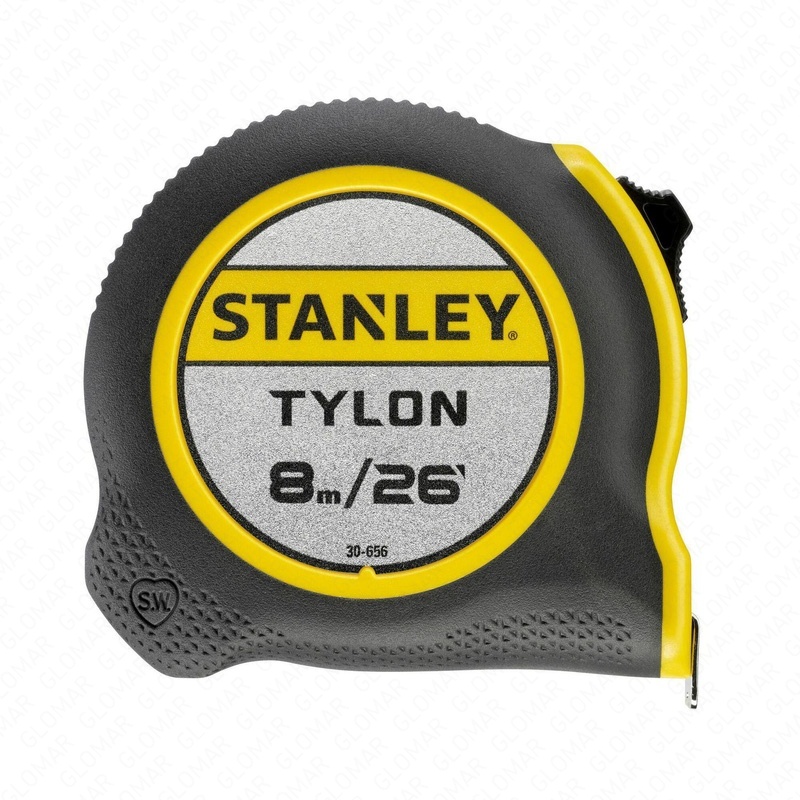
- Tape Measure: An accurate, robust tape measure is non-negotiable for precise measurements.
- Pencil: For marking cuts and hinge positions.
- Spirit Level: Crucial for ensuring your door and frame are perfectly plumb and level.
- Hand Saw or Circular Saw: For trimming the door to size. A circular saw like the DeWalt DWE575K or Makita HS301DZ will make straight cuts much easier. Remember to compare prices on DSIDE.co.uk!
- Electric Planer or Hand Plane: For fine adjustments to door edges. Brands like Ryobi offer excellent budget-friendly electric planers (e.g., Ryobi RDP1018), while a reliable hand plane (e.g., Stanley) is a timeless choice.
- Wood Chisels & Mallet: Essential for mortising hinges and latch plates. A good set from Stanley FatMax or Bahco is a worthwhile investment, typically costing between £20-£50.
- Cordless Drill/Driver: Indispensable for pre-drilling holes and driving screws. Look for 18V models from Bosch (e.g., Bosch GSB 18V-21), Milwaukee (e.g., Milwaukee M18 FDD2), or DeWalt (e.g., DeWalt DCD796). A decent drill can range from £50-£150, and you can find the best deals on DSIDE.co.uk.
- Screwdrivers: A selection of sizes to match your hinge and latch screws.
- Router & Hinge Jig (Optional but Recommended): For precise and efficient hinge mortising. A compact router like the Bosch GKF 12V-8 or a more powerful one like the DeWalt DCW604N paired with a good jig can save significant time and effort.
- Workbenches or Sawhorses: To support the door safely while working.
- Safety Gear: Goggles, gloves, and ear protection are a must, especially when using power tools.
DSIDE Tip: Don't buy new tools at full price! Use DSIDE.co.uk to compare prices on power tools, hand tools, and all your hardware needs from Screwfix, Toolstation, and Amazon UK. You'll be surprised how much you can save!
Step-by-Step Guide to Fitting Your Interior Door
Let's get down to business! Follow these steps for a perfectly fitted interior door.
Step 1: Accurate Measurement is Key
Precision here will save you headaches later. If you're replacing an existing door, use it as your template where possible. Otherwise, measure the door frame opening:
- Height: Measure from the top of the frame to the finished floor (or existing threshold) at three points: left, middle, and right. Take the shortest measurement.
- Width: Measure across the frame at three points: top, middle, and bottom. Again, take the shortest measurement.
- Thickness: Standard interior doors in the UK are typically 35mm thick, though some fire doors or older doors might be 44mm. Ensure your new door matches the frame rebate.
When ordering a new door, aim for one that is slightly larger than your opening measurements (usually by about 5-10mm in height and width) to allow for trimming to a perfect fit. Standard UK interior door sizes are widely available, for example, 1981 x 762mm (78" x 30").
Step 2: Preparing the Door Blank
Lay your new door on sawhorses. Transfer your frame measurements to the new door. Mark out the height and width carefully.
- Trimming the Door: Use a straight edge clamped to the door and a circular saw (e.g., your DeWalt or Makita saw) to trim the door to the marked lines. Aim for a 2-3mm gap at the top and sides, and a 6-10mm gap at the bottom (depending on your flooring and whether you have a carpet or rug).
- Planing for Perfection: Use your electric planer or hand plane to finely adjust the edges for a snug, even fit. Test the door in the frame frequently, making small adjustments until you have even gaps all around. The door should fit snugly but not bind.
Step 3: Mortising for Hinges
Hinges are critical for the door's function and appearance. Standard UK practice is to fit three hinges: one 6 inches (150mm) from the top, one 9 inches (225mm) from the bottom, and one roughly in the middle.
- Marking: Place the door in the frame (using wedges to hold it in position and maintain your bottom gap). Mark the hinge positions on both the door edge and the frame.
- Tracing: Place the hinge leaf (the part that attaches to the door) on the door edge at your marked positions. Carefully trace around it with a sharp pencil.
- Mortising: Using your wood chisel and mallet (or a router with a hinge jig), carefully remove wood to the depth of the hinge leaf. The hinge should sit perfectly flush with the door edge. This ensures the door closes properly and doesn't bind. Repeat for the door frame.
- Attaching Hinges: Once all mortises are cut, attach the hinge leaves to the door first, pre-drilling pilot holes with your Bosch or Milwaukee drill to prevent splitting. Use the screws supplied with the hinges.
Step 4: Hanging the Door
This is where your patience pays off.
- Positioning: With help from a friend or using wedges, carefully position the door in the frame, aligning the hinge leaves on the door with the mortises on the frame.
- Screwing In: Attach the other half of the hinges to the door frame, again pre-drilling pilot holes. Start with one screw per hinge, test the swing, and make any minor adjustments before fully securing all screws.
- Checking: The door should swing freely, without catching, and have consistent gaps around all edges when closed. Use your spirit level to ensure it's plumb.
Step 5: Fitting the Latch/Lock Mechanism
This step brings your door to full functionality.
- Marking Position: A standard height for door handles/latches is 36-38 inches (91-96cm) from the finished floor. Mark this position on the door edge.
- Drilling Holes: Use a flat bit (e.g., 25mm for the latch body) on your drill to bore the main hole into the door edge for the latch bolt. Then, drill through the door face from both sides (to prevent breakout) for the spindle and handle screws. Refer to your latch mechanism's instructions for specific bit sizes.
- Mortising for Latch Plate: Insert the latch mechanism and trace around the face plate on the door edge. Use your chisel to mortise out this area so the latch plate sits flush.
- Fitting the Mechanism: Insert the latch body, attach the face plate with screws, and then fit the handles according to their instructions.
- Strike Plate: Close the door and mark the position of the latch bolt on the door frame. Use your chisel to mortise for the strike plate, ensuring the latch bolt engages smoothly when the door closes. Attach the strike plate with screws.
Finishing Touches and Door Care
Once your door is successfully hung, give it a final sand and apply your chosen finish – paint, varnish, or stain. This not only enhances its appearance but also protects the wood. Regularly check hinges and screws for tightness, and lubricate moving parts as needed to ensure smooth operation.
Save Money on Your Door Fitting Project with DSIDE.co.uk
From the initial purchase of your door blank to the hinges, latches, and the power tools needed to get the job done, costs can quickly add up. That's where DSIDE.co.uk comes in! We empower you to compare prices across hundreds of thousands of products from leading UK retailers like Screwfix, Toolstation, and Amazon UK.
- Need a new Bosch drill or a set of Stanley chisels? Compare prices on DSIDE.co.uk.
- Looking for the best deal on door hinges, handles, or a new electric planer from Ryobi? DSIDE.co.uk has you covered.
- Even everyday consumables like wood filler, sandpaper, and paint can be found cheaper by comparing prices with us.
Don't just buy – buy smart. Why pay more when you don't have to? Make DSIDE.co.uk your first stop for all your DIY and trade needs, and ensure your interior door fitting project is not only successful but also budget-friendly.
Conclusion
Fitting interior doors is a rewarding DIY project that significantly upgrades your home. While it requires precision and a good set of tools, the satisfaction of stepping back and admiring your perfectly hung door is immense. Follow this guide, take your time, and remember that DSIDE.co.uk is here to help you get the best value on all your tools and hardware. Happy DIYing!










































Comments (0)
No comments yet.