Dreaming of that perfect garden shed? A dedicated space for tools, a potting haven, or simply extra storage? Building a shed from scratch is a deeply satisfying DIY project, allowing you to customise every aspect to your exact needs and budget. But before you grab your hard hat, understanding the essential materials and tools is paramount.
This comprehensive guide for UK DIY enthusiasts will walk you through everything you need to know, from timber types to essential power tools, helping you get organised and ready to build. Plus, we'll show you how to compare prices effectively at DSIDE.co.uk to ensure you get the best deals on your building essentials!
Planning Your Shed Project: The First Step
Before buying a single plank, detailed planning is crucial. Consider your shed's size, location, and intended use. Do you need planning permission? For most garden sheds under 2.5m eaves height and located at least 2m from your property boundary, you might not. However, always check your local council's guidelines, especially if your property is in a conservation area or a listed building.
Once you have your design and dimensions, you can accurately estimate your materials. A good set of plans (many free online, or pre-made kits for inspiration) will provide cutting lists and timber sizes.
Essential Materials for Your DIY Shed
Your shed's longevity and structural integrity depend heavily on the quality and type of materials you choose. Opting for treated timber is key in the often-damp UK climate.
1. The Foundation: A Solid Base
- Gravel & Membrane: For drainage and weed suppression. Approximately £50-£100 for a medium shed.
- Concrete Slabs: A popular choice for a level, durable base. You'll need enough to cover the shed footprint. Around £5-£10 per slab, total £100-£250 depending on size.
- Treated Timber Bearers: Essential for lifting the shed floor off the ground, preventing damp. Use 4x2 or 6x2 inch (100x50mm or 150x50mm) pressure-treated timber. Expect to pay £4-£8 per metre.
2. The Frame: The Shed's Skeleton
This is where your shed gains its strength. You'll primarily use C16 or C24 graded pressure-treated timber, usually 3x2 inch (75x50mm) or 4x2 inch (100x50mm) for walls and roof joists. C24 is stronger and more expensive but offers better stability over longer spans.
- 3x2 inch Treated Timber: For wall studs, noggins, and smaller roof purlins. Expect £3-£6 per linear metre.
- 4x2 inch Treated Timber: For base frames, main wall plates, and roof rafters. Expect £4-£8 per linear metre.
Top Tip: Buy timber in longer lengths and cut it yourself to minimise waste and often save money. Retailers like Screwfix and Toolstation offer a range of lengths, as do local timber merchants.
3. Flooring: The Ground You Stand On
- OSB3 (Oriented Strand Board, Grade 3): Moisture-resistant and economical, ideal for shed floors. Typically 18mm or 22mm thick. A 2400x1200mm sheet costs £30-£50.
- Exterior Grade Plywood: Stronger and often smoother than OSB, but usually more expensive. 18mm or 22mm thick. A 2440x1220mm sheet costs £40-£70.
4. Cladding: The Exterior Finish
This protects your shed and defines its aesthetic. All cladding should be pressure-treated.
- Shiplap Cladding: Tongue and groove profile creates a smooth, interlocking, weather-tight finish. Very popular. Expect £3-£6 per linear metre.
- Feather-Edge Cladding: Overlapping boards give a traditional, rustic look. £2.50-£5 per linear metre.
- Tongue & Groove (T&G) Boards: Can be used for a robust, neat finish. £2-£4 per linear metre.
5. Roofing: Keeping the Rain Out
- Roof Decking: Often 11mm or 18mm OSB3 or exterior plywood sheets, similar to flooring. A 2400x1200mm sheet costs £20-£40.
- Roofing Felt: Green mineral felt is standard for sheds, offering good protection. A 10-metre roll (750mm or 1m wide) costs £25-£50.
- Fascia Boards: Treated timber (e.g., 100x20mm) to cover the roof edge and hold the felt in place. £2-£4 per linear metre.
- Felt Adhesive/Tacks: Essential for securing the felt. £10-£20.
6. Fixings & Finishes
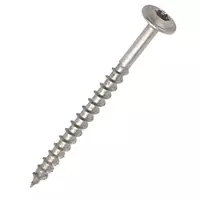
- Exterior Screws: Essential! Use galvanised or stainless steel. Various lengths (e.g., 50mm, 75mm, 100mm) for framing, flooring, and cladding. A box of 200-500 will cost £15-£30.
- Nails: Galvanised nails for felt and lighter trim work. £5-£15.
- Hinges & Latch: Robust, galvanised shed door hardware. £15-£40.
- Shed Preserver/Paint: Protects timber from rot, fungi, and insects. A 5-litre tin costs £20-£40.
- Windows (Optional): Perspex or pre-made shed windows. £20-£100+.
Estimated Material Costs (for a typical 8ft x 6ft shed): £600 - £1200, depending on material choices and current market prices. This doesn't include significant groundwork if required.
Having the right tools makes the job safer, faster, and more enjoyable. While you might borrow some, investing in key pieces will serve you for many DIY projects to come. Remember to check prices at DSIDE.co.uk before you buy!
Essential Power Tools
- Cordless Drill/Driver: Absolutely indispensable for driving screws and drilling pilot holes. Look for a powerful 18V model. Brands like DeWalt (e.g., DCD796), Makita (DHP484), Bosch (GSR 18V-55), or Milwaukee (M18 BPD) are excellent. Expect to pay £100-£250 for a good kit with batteries and charger.
- Circular Saw: For straight, accurate cuts on timber and sheet materials. A cordless 18V model (e.g., Ryobi R18CS, Makita DHS680Z, DeWalt DCS570N) offers great portability. Corded options from Bosch or Silverline are more budget-friendly. Price range: £80-£300.
- Jigsaw: Useful for intricate cuts, curves, and cutting out window/door openings. Cordless (e.g., Ryobi R18JS) or corded (e.g., Bosch PST 800 PEL). £50-£150.
- Impact Driver (Highly Recommended): If you're driving hundreds of screws, an impact driver makes light work of it. It's faster and less tiring than a drill/driver for fixings. Often sold as a combi-kit with a drill/driver. Brands like Milwaukee (M18 FQID) or DeWalt (DCF887) are highly rated.
- Orbital Sander (Optional but handy): For smoothing rough edges or preparing timber for painting. Ryobi and Bosch offer good options. £40-£100.
Essential Hand Tools
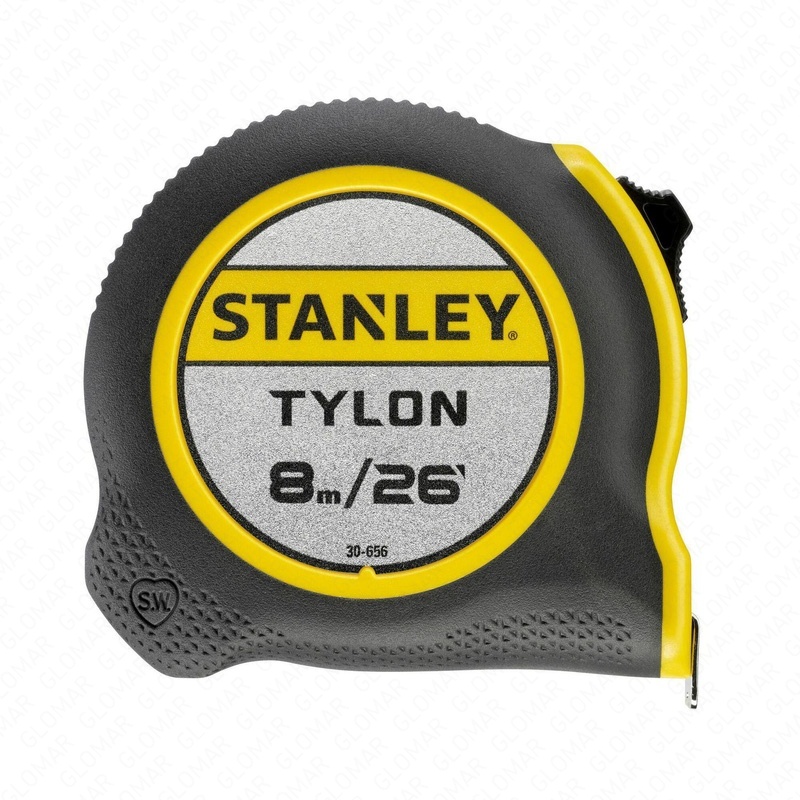
- Tape Measure: A good quality, robust one (e.g., Stanley FatMax) is crucial. £15-£30.
- Spirit Level: At least one long one (1200mm/48in) and a shorter one (600mm/24in or torpedo level). £20-£70 for a set.
- Claw Hammer: For driving nails and general persuasion. £10-£25.
- Wood Chisels: For fine-tuning joints or removing small sections of timber. A basic set of 3-4. £20-£50.
- Handsaw: A good quality panel saw (e.g., Bahco PC-22-JT) is still useful for quick cuts. £15-£30.
- Utility Knife/Retractable Blade Knife: For cutting roofing felt, membrane, etc. £10-£20.
- Combination Square/Speed Square: For marking accurate 90 and 45-degree angles. £10-£30.
- Pencils: Carpenter's pencils are ideal.
- Workbenches or Sawhorses: Essential for safe and efficient cutting and assembly. A pair of sturdy sawhorses costs £30-£80.
Safety Gear (Non-negotiable!)
- Safety Glasses: Always! £5-£15.
- Work Gloves: Protect your hands. £5-£15.
- Ear Defenders: Essential when using power tools. £10-£30.
- Dust Mask/Respirator: When cutting timber, especially OSB or plywood. £10-£25.
Estimated Tool Costs: If starting from scratch, a basic but decent set of essential power and hand tools could cost £400-£800. If you already own some, your outlay will be much less.
Where to Buy and How to Save with DSIDE.co.uk
You'll find all these materials and tools at major UK retailers like Screwfix, Toolstation, Wickes, B&Q, and online giants like Amazon UK. Local timber merchants can also be excellent for treated timber and offer competitive pricing, especially for larger quantities.
To ensure you're not paying over the odds for your shed-building essentials, remember to visit DSIDE.co.uk. We compare prices from multiple UK retailers on a vast range of tools and hardware, helping you find the best deals on everything from your DeWalt drill to your roofing felt. Why spend more than you have to?
Ready to Build?
Building your own shed is a rewarding endeavour that adds significant value and utility to your garden. With careful planning, the right materials, and a well-equipped toolkit, you'll be well on your way to creating a sturdy, custom-built structure that will stand the test of time.
Start by finalising your plans, making your material list, and then head over to DSIDE.co.uk to begin comparing prices for all your building needs. Happy building!










































Comments (0)
No comments yet.