









































Demystify your tape measure! Learn to read inches, millimetres, and those mysterious marks. Get accurate measurements every time with our UK guide.
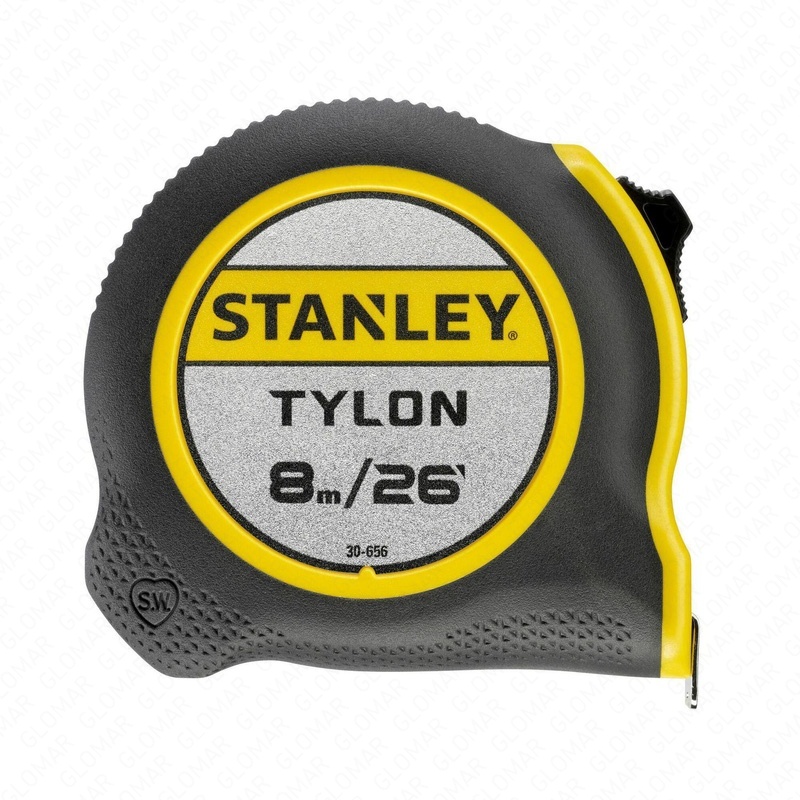
Even the most experienced DIY enthusiast or seasoned tradesperson started somewhere, and often, that 'somewhere' involved a moment of confusion with a tape measure. It seems straightforward enough: pull it out, read a number, and you're done. But what about all those smaller marks, the red ones, the black diamonds, or the barely perceptible lines that seem to hold secret wisdom? At DSIDE.co.uk, we know that getting your measurements right is the foundation of any successful project, whether you're hanging a picture or building a shed. That's why we're delving deep into the humble tape measure, explaining all those often-overlooked marks so you can measure with confidence.
In the UK, we often live in a fascinating blend of both metric and imperial measurements. While most modern building materials and plans are metric (millimetres and metres), many DIY projects, especially older homes, might still reference imperial (inches and feet). A good quality tape measure, such as those from Screwfix or Toolstation, will typically feature both.
When working with brands like DeWalt, Makita, or Bosch power tools, you'll find that their specifications and accessories are almost always in metric units, making a clear understanding of millimetres crucial.
Pro Tip: When taking an imperial measurement, always read the full inch first, then count the fractions. So, if your measurement falls on the third 1/8th mark after the 5-inch line, it's 5 and 3/8 inches. Reduce fractions where possible (e.g., 4/8 becomes 1/2). Your projects will thank you for the precision!
Beyond the standard measurements, tape measures often feature specific markings designed to make certain jobs easier. Let's decode them.
While not universally standardised, many UK tape measures, particularly those from brands like Stanley or Faithfull, will highlight certain intervals in red. In metric, this is often every 10cm or every 1 metre. In imperial, it's almost always every 16 inches or 1 foot.
These small, black diamond symbols (sometimes called 'black geometric symbols') appear less frequently but are incredibly useful when they do. They usually pop up at 19.2 inches, 38.4 inches, 57.6 inches, and so on.
The small metal hook at the end of your tape measure isn't just for hooking onto edges; it's designed to slide slightly. This movement ensures accurate measurements whether you're measuring an inside dimension (pushing the hook against an object) or an outside dimension (hooking it over an edge). The thickness of the hook itself is compensated for by this clever sliding action.
Now that you know how to read all the marks, make sure you've got the right tool for the job. Tape measures come in various lengths and styles.
Understanding these subtle but crucial features transforms your tape measure from a simple measuring device into a powerful tool. No more guessing, no more miscuts, just accurate, confident work every time. Remember, whether you're building a shed, installing shelving, or just hanging a picture, precision is key.
Ready to upgrade your tape measure or find other essential tools for your next project? Don't forget to compare prices on DSIDE.co.uk! We bring together deals from leading UK retailers, helping you get the best value on everything from a basic tape measure to advanced power tools from brands like DeWalt, Makita, Bosch, and more. Happy measuring!
Price alerts on the kit you're reading about, plus the bargains our team files each day.
Create a free account
Comments (0)
No comments yet.