Embarking on your DIY journey or finally upgrading your manual toolkit? The world of power tools can seem daunting at first glance. With so many brands, models, and specifications, knowing where to start when buying your first power tool kit can feel overwhelming. But don't fret! This comprehensive guide from DSIDE.co.uk is here to demystify the process, helping you choose the perfect starter kit that empowers your projects without breaking the bank.
A well-chosen power tool kit isn't just a collection of gadgets; it's an investment in your home, your hobbies, and your skills. From assembling flat-pack furniture to tackling ambitious home renovation projects, the right tools make all the difference. We’ll walk you through the essentials, highlight top brands, discuss crucial buying factors, and show you how to find the best deals across UK retailers. And remember, once you know what you're looking for, DSIDE.co.uk is your go-to for comparing prices and securing the best value.
While buying individual tools might seem like a flexible approach, a pre-packaged power tool kit offers several compelling advantages for beginners and seasoned DIYers alike:
- Cost-Effectiveness: Kits often represent significant savings compared to purchasing each tool, battery, and charger separately.
- Battery Compatibility: This is a massive benefit. Most kits are built around a single battery platform (e.g., 18V), meaning one battery and charger will power all the tools in your kit – and any future compatible tools you add from that brand's ecosystem.
- Convenience: Kits usually come with a sturdy carry bag or case, keeping your tools organised and protected, whether in your shed or on the go.
- Instant Arsenal: You immediately gain a versatile set of tools ready to tackle a wide range of tasks.
While there's a vast array of power tools available, a core set will cover most common DIY tasks. Focus on versatility and utility. Here are the must-have tools for your initial power tool kit:
1. Cordless Drill/Driver
The absolute cornerstone of any power tool collection. A good cordless drill/driver is indispensable for drilling holes (wood, plastic, light metal, masonry with the right bit) and driving screws. Look for:
- Variable Speed Trigger: Essential for precision and preventing damage to materials.
- Torque Settings/Clutch: Allows you to control the driving force, preventing over-tightening screws.
- Keyless Chuck: For quick and easy bit changes.
- Brushless Motor (if budget allows): Offers greater efficiency, longer runtime, more power, and a longer tool lifespan than brushed motors.
2. Impact Driver
Often paired with a drill/driver in multi-tool kits, an impact driver excels at driving long screws and fasteners with minimal effort. It delivers rotational force along with rapid concussive blows, making it perfect for tasks where a drill might struggle or cam out. If your budget stretches, a drill/impact driver combo kit is highly recommended.
3. Circular Saw
For cutting timber, sheet materials (plywood, MDF), and planks with speed and accuracy. A cordless circular saw offers fantastic portability. Consider models with a blade size around 165mm for general DIY tasks.
4. Orbital Sander or Random Orbit Sander
Essential for preparing surfaces for painting or staining, smoothing rough edges, or restoring furniture. A random orbit sander moves in small circles and ellipses, leaving a swirl-free finish.
5. Oscillating Multi-Tool (Multi-Cutter)
Often overlooked by beginners, this tool is incredibly versatile. With various attachments, it can saw, cut, sand, scrape, and grind in tight spaces and at awkward angles. It’s a DIY superhero for detailed work and tricky jobs.
Optional but Useful Additions
- Cordless Worklight: Illuminating dark corners or working in low light conditions is much easier with a dedicated LED worklight, often available within the same battery ecosystem.
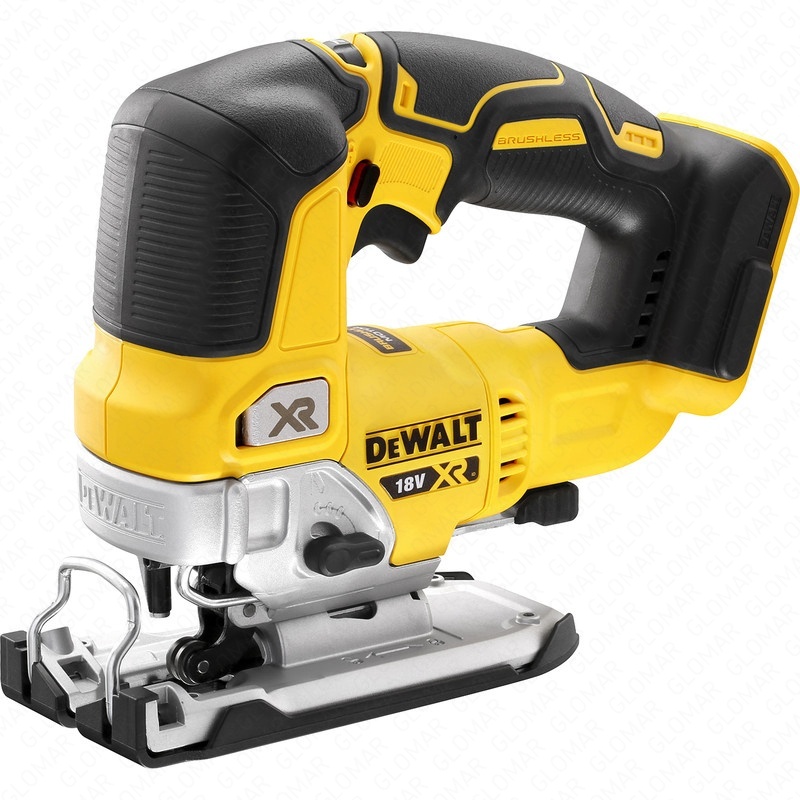
- Jigsaw: For intricate or curved cuts in wood, plastic, and metal.
The Heart of Your Kit: The Battery System
When buying a power tool kit, you're not just buying tools; you're buying into a battery system. This is a crucial decision:
- Voltage: For most DIY and prosumer tasks, an 18V (or 20V Max, as some brands label it) platform is the standard. It offers an excellent balance of power, runtime, and tool availability.
- Amp-hours (Ah): This indicates battery capacity. Higher Ah ratings mean longer runtimes between charges. A starter kit usually comes with two batteries (e.g., 2 x 2.0Ah or 2 x 4.0Ah) and a charger, which is ideal for continuous work as one can charge while the other is in use.
Choosing a brand with a broad 18V/20V ecosystem allows you to add bare tools (tools without batteries or chargers, which are cheaper) later, expanding your capabilities without buying new batteries and chargers each time.
The UK market is packed with reputable power tool brands. Here’s a rundown of popular choices, catering to various budgets and needs:
- Ryobi ONE+: An excellent entry point for DIYers. Ryobi offers an incredibly extensive 18V ONE+ system with over 200 tools, from drills to lawnmowers. Known for great value and reliability for home use. Expect starter kits from around £200-£350.
- Bosch (Green & Blue): Bosch Green (Home & Garden) is tailored for DIYers, offering user-friendly tools. Bosch Blue (Professional) is geared towards tradespeople but is a fantastic option for serious DIYers looking for robustness and higher performance. A Bosch Green starter drill kit might cost £150-£250, while a professional Bosch Blue kit with multiple tools can range from £400-£700+.
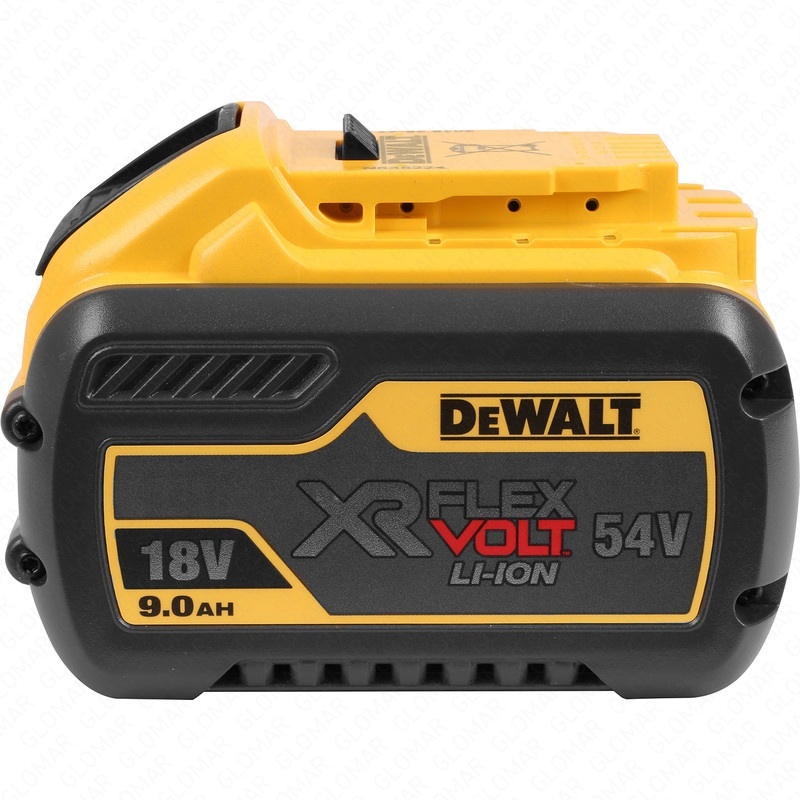
- DeWalt: A favourite among professionals and serious DIYers. DeWalt's 18V XR and 54V FlexVolt systems offer powerful, durable tools. Their kits are often found in UK trade stores and are built to last. A quality DeWalt 2-tool kit can start from £300-£450.
- Makita: Another industry leader, Makita tools are renowned for their ergonomics, reliability, and powerful LXT 18V battery system. Similar to DeWalt in terms of quality and price range, with kits starting around £300-£450.
- Milwaukee: Known for its robust, high-performance tools and the extensive M18 and M12 systems. Milwaukee tools are often seen on professional job sites and come with a premium price tag, but offer exceptional durability and innovation. Expect kits to be £500+.
- Einhell: A solid option for budget-conscious DIYers, offering good performance for the price. Their Power X-Change battery system is growing.
- Erbauer (Screwfix Exclusive): Screwfix's own brand offers good value, particularly their EXT 18V range, which is well-regarded for DIY and light trade use.
Expert Tip: Don't just pick the cheapest brand. Consider which brand's ecosystem offers the tools you might want to add in the future. Investing in a slightly more expensive but versatile system can save money and hassle down the line.
The UK boasts several excellent retailers for power tools:
- Screwfix & Toolstation: These trade counters are power tool giants in the UK, offering competitive prices, a huge range of stock, and often same-day click and collect. They frequently have exclusive kit deals.
- Amazon UK: A massive online marketplace with a vast selection, often offering good discounts and convenience with home delivery. Keep an eye out for Prime Day or Black Friday deals.
- B&Q & Wickes: Home improvement stores that stock a good range of DIY-focused brands (like Bosch Green, Ryobi) and some professional lines.
- Argos: Often has good entry-level kits, particularly during sales periods.
- Specialist Tool Retailers: Companies like FFX, ITS, and Toolstop often have excellent stock levels and competitive pricing for trade-focused brands.
To ensure you're getting the absolute best deal, always use DSIDE.co.uk to compare prices across all these retailers before making your purchase. Prices can vary significantly between sellers, even for the exact same kit!
Your budget will largely dictate the brand and the number of tools you can acquire initially. Here's a rough guide:
- Entry-Level Kits (£150-£300): You can find good quality basic drill/driver kits or 2-tool kits from brands like Ryobi, Bosch Green, or Einhell. These are perfect for occasional DIYers.
- Mid-Range Kits (£300-£600): This budget opens up more robust 2-tool or 3-tool kits from Makita, DeWalt, or Bosch Blue. Ideal for more frequent DIY projects and those who value durability and performance.
- Premium Kits (£600+): For serious DIYers or those looking for professional-grade tools from brands like Milwaukee or more extensive kits from DeWalt/Makita, offering superior power, features, and longevity.
Remember, it's often better to buy a quality kit that meets your needs from a reputable brand than to buy a very cheap, unbranded kit that might fail quickly or lack the power for common tasks.
Final Considerations Before You Buy
- Brushless vs. Brushed Motors: If your budget allows, opt for brushless. They're more efficient, powerful, and last longer.
- Ergonomics & Weight: Hold the tools in the shop if possible. A comfortable, well-balanced tool will reduce fatigue during use.
- Warranty: Check the warranty period and registration requirements. Reputable brands often offer 3-year warranties upon registration.
- Kit Contents: Verify the number and capacity of batteries, the charger type (fast charger vs. standard), and if a carry case or bag is included.
- Future Needs: Think about future projects. Does the chosen brand offer a wide array of bare tools that you might want to add to your collection later, all powered by the same batteries?
Safety First!
Power tools are powerful – and require respect. Always invest in proper Personal Protective Equipment (PPE) alongside your tools. This includes:
- Eye Protection: Safety glasses are non-negotiable.
- Ear Protection: Essential for noisy tools like circular saws.
- Gloves: To protect hands from splinters and impacts.
- Dust Masks: When sanding or cutting materials that produce fine dust.
Always read the instruction manual for each tool before use, secure your workpieces, and ensure your workspace is clear and well-lit.
Buying your first power tool kit is an exciting step towards becoming a more capable and confident DIYer. By understanding the essential tools, considering reputable brands, and focusing on a versatile battery ecosystem, you'll be well-equipped for years of projects.
Don't forget, the smartest way to make your budget go further is to compare prices. Head over to DSIDE.co.uk to compare hundreds of power tool kits from all the major UK retailers. Find your perfect kit today and start building with confidence!







































Comments (0)
No comments yet.