For any tradesperson, your tools are your livelihood. They're significant investments, the backbone of your business, and the key to your efficiency and safety on the job. Yet, it's surprising how often tool maintenance falls by the wayside in the hustle and bustle of daily work. Neglecting your kit doesn't just shorten its lifespan; it compromises safety, reduces performance, and ultimately costs you money in repairs or premature replacements.
At DSIDE.co.uk, we understand the importance of getting the best value and performance from your equipment. That's why we've put together this essential tool maintenance schedule, designed to help you keep every item in your arsenal – from trusted hand tools to high-tech cordless power tools – in peak condition. Follow these practical tips, and you'll not only extend the life of your tools but also ensure they're always ready for whatever the job throws at them.
Why a Consistent Tool Maintenance Schedule Matters
Think of tool maintenance as preventative healthcare for your equipment. Just a few minutes of care can prevent hours of frustration and expensive fixes. Here's why it's non-negotiable:
- Extended Lifespan: Regular cleaning and lubrication dramatically prolong the life of your tools, protecting your investment.
- Enhanced Safety: Well-maintained tools with intact guards, sharp blades, and untarnished cords are significantly safer to use.
- Optimal Performance: Sharp, clean, and properly lubricated tools work more efficiently, giving you better results with less effort.
- Cost Savings: Preventative maintenance is far cheaper than reactive repairs or having to buy new tools frequently.
- Professional Image: A well-kept toolkit reflects professionalism and attention to detail, inspiring confidence in your clients.
The Daily Ritual: Clean After Every Use
This is the most basic, yet most overlooked, step. Before packing up for the day, give your tools a quick clean. This prevents build-up from becoming stubborn dirt.
- Wipe Down: Use a clean cloth to wipe dust, grime, and moisture off all surfaces. For stubborn residue (like paint or adhesive), a damp cloth followed by a dry one works wonders.
- Brush Off: For power tools like your DeWalt impact driver or Makita circular saw, use an air compressor or a stiff brush to clear sawdust and debris from vents and moving parts.
- Hand Tool Care: For hand tools, simply wipe them clean. If they've been exposed to moisture, ensure they're thoroughly dry to prevent rust.
The Weekly Check-Up: A Deeper Dive
Dedicate a short slot each week – perhaps Friday afternoon – to a slightly more thorough inspection.
Cordless Power Tools & Batteries
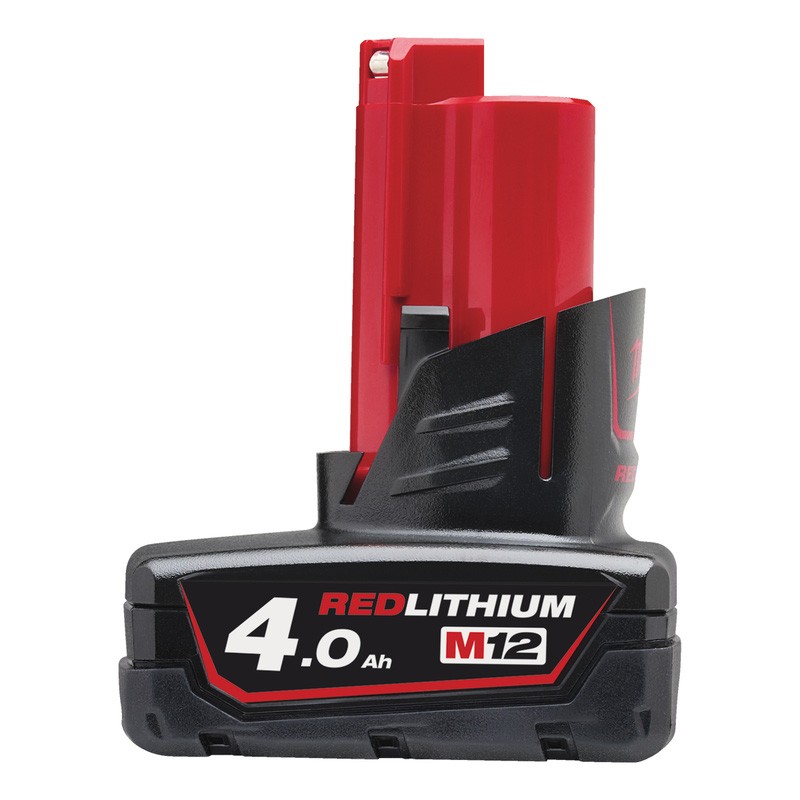
- Battery Inspection: Check battery packs (e.g., Bosch Professional, Milwaukee M18) for cracks, damage, or overheating signs. Always use the manufacturer-recommended charger. Store batteries partially charged (around 50%) in a cool, dry place if not in use for extended periods. Avoid deep discharge.
- Ventilation Ports: Ensure all ventilation ports on tools like your Ryobi ONE+ drill are free from dust and debris to prevent overheating. A can of compressed air (£5-£10 from Amazon UK or Screwfix) can be invaluable here.
- Chucks & Arbors: Clean the chucks of drills and impact drivers, and inspect arbors on saws for build-up. A bit of light oil can help keep chucks moving freely.
- Brushless vs. Brushed: While modern brushless motors (found in most premium DeWalt, Makita, and Milwaukee tools) require less internal maintenance, external cleaning remains crucial. If you still use brushed tools, inspect carbon brushes for wear and replace them if they're shorter than recommended (often £5-£15 a pair).
Corded Power Tools
- Cable & Plug Inspection: Crucial for safety! Check all power cords for cuts, fraying, exposed wires, or kinks. Inspect the plug for damage. Any sign of wear means immediate repair or replacement by a qualified person.
- PAT Testing: While not a weekly task, ensure your corded tools undergo regular Portable Appliance Testing (PAT) as per UK regulations, usually annually or biannually depending on usage. Expect to pay around £5-£10 per tool for testing, less if you have many.
- Vent Cleaning: Similar to cordless tools, keep vents clear.
Hand Tools
- Sharpening: Keep chisels, plane blades, and utility knife blades sharp. A good sharpening stone (£10-£30 from Toolstation) or diamond sharpener makes a huge difference to performance and safety.
- Lubrication: Apply a light lubricating oil (like 3-in-1 oil, £3-£7) to the moving parts of pliers, snips, and wrenches.
- Handle Integrity: Check handles for cracks or looseness. Tighten screws where possible or replace damaged handles.
- Rust Prevention: For tools stored in damp environments, a thin coat of rust preventative spray (e.g., WD-40 Specialist Rust Inhibitor, £8-£15) can be a lifesaver.
The Monthly MOT: Thorough Inspection & Light Servicing
Once a month, set aside a slightly longer period for a more comprehensive review.
- Lubricate Gears & Bearings: Where accessible and recommended by the manufacturer, apply appropriate grease or oil to gears and bearings. Consult your tool's manual! Many modern tools are sealed, so don't attempt to dismantle if unsure.
- Fastener Check: Go over your power tools and hand tools, tightening any loose screws or bolts on guards, handles, and casings.
- Blade/Bit Replacement: Don't just sharpen; sometimes, replacement is necessary. Keep a stock of fresh saw blades, drill bits, and router bits. Dull accessories strain your tools and produce poor results. DSIDE.co.uk is great for comparing prices on these consumables!
- Air Compressor Care: If you use an air compressor, drain the moisture from the tank monthly to prevent rust and ensure clean air delivery. Check and top up oil levels if it's an oil-lubricated model.
- Safety Feature Test: Test all safety features – trigger locks, blade guards, emergency stops. Ensure they function correctly.
The Quarterly Overhaul: Proactive Maintenance
Every three months, dedicate time to a more in-depth clean and proactive check.
- Deep Clean: For some tools, this might involve carefully opening up access panels (if permitted by the manufacturer's manual) to clean out internal dust and debris. Use contact cleaner (£6-£12) for electrical connections if needed.
- Filter Replacement: If you use dust extractors or shop vacs (e.g., Bosch Gas series), replace their filters. A clogged filter severely reduces suction and can damage the motor.
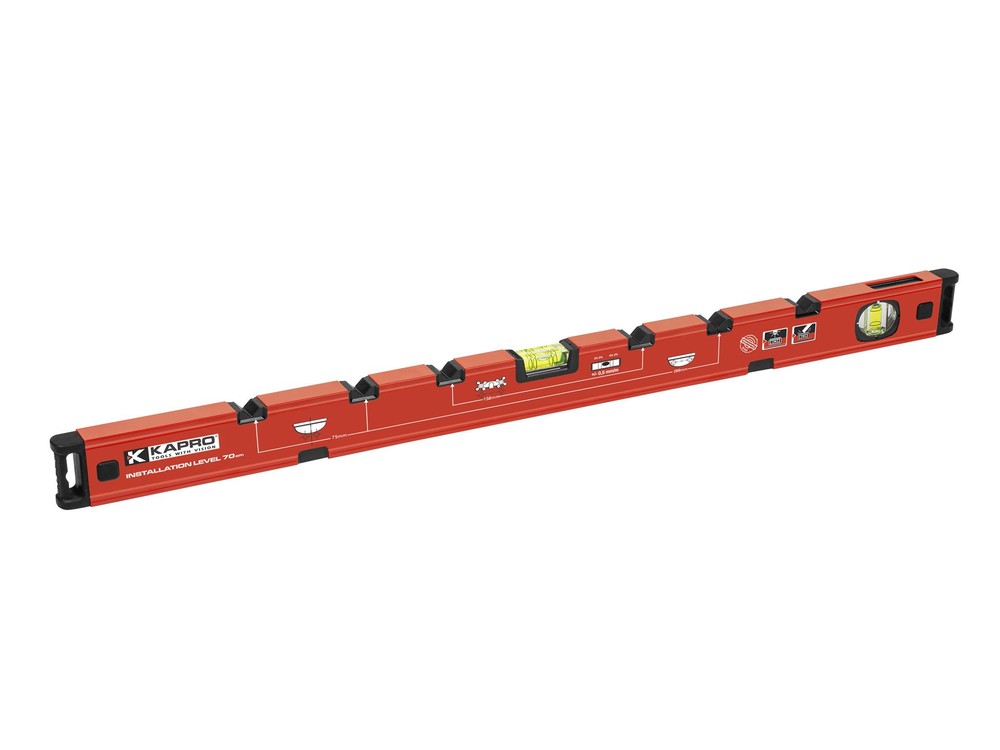
- Calibration Check: For precision tools like levels, squares, and laser measures, check their calibration. Most digital levels allow for user calibration; for others, compare against a known accurate reference.
- Inventory & Replenishment: Take stock of your consumables and spare parts. Do you need new sanding discs, grinding wheels, or fresh sets of commonly used drill bits?
Annual Professional Servicing & Storage Solutions
When to Call in the Experts
For complex tools, or if you suspect an internal issue, don't hesitate to use manufacturer-authorised service centres. Brands like DeWalt, Makita, and Bosch have extensive networks across the UK. Professional servicing ensures warranty compliance and expert care, particularly for high-value items.
Optimal Tool Storage
Proper storage is an extension of maintenance. Keep your tools:
- Dry: Prevent rust and electrical issues.
- Clean: Don't put dirty tools away.
- Organised: In secure tool chests (e.g., Milwaukee PACKOUT, DeWalt TStak), racking, or bespoke storage solutions. This not only saves time but also protects tools from damage.
- Temperature Controlled: Avoid extreme temperatures, especially for battery-powered tools.
Your Essential Tool Maintenance Kit
To follow this schedule, you'll need a basic kit. You can find all these items at UK retailers like Screwfix, Toolstation, and Amazon UK:
- Clean rags/microfiber cloths
- Stiff brushes (wire and nylon)
- Compressed air can
- Light machine oil / 3-in-1 oil
- Rust preventative spray (e.g., WD-40 Specialist Rust Inhibitor)
- Multi-purpose grease (if required for specific tools)
- Electrical contact cleaner
- Sharpening stone / diamond sharpener
- Safety glasses and gloves
“A tradesperson is only as good as their tools, and their tools are only as good as the care they receive. Investing time in maintenance pays dividends in safety, efficiency, and savings.”
Find Your Next Tool or Maintenance Essential on DSIDE.co.uk
Whether you're looking for new tools to upgrade your kit, replacement parts, or the best prices on maintenance supplies, remember to start your search on DSIDE.co.uk. We compare prices from leading UK retailers, helping you find the best deals on everything from a new Bosch combi drill to a can of WD-40. Don't pay over the odds – compare and save!
Conclusion
Implementing a consistent tool maintenance schedule isn't a chore; it's a smart business decision. It's about respecting your investment, ensuring your safety, and maintaining your professional edge. By dedicating a little time regularly to clean, inspect, and care for your tools, you'll ensure they perform optimally, last longer, and keep your business running smoothly and profitably. Get into the habit, and your tools (and your wallet) will thank you.











































Comments (0)
No comments yet.