





































Prices re-checked within 72 hours 640,000 live prices 268 UK retailers
Login Register
Trade Tips

Tool Belts & Rigs: Build a Back-Friendly Setup for UK Trades

Prevent back pain with the right tool belt or rig setup. Learn how to choose, customise, and wear your gear comfortably for UK tradespeople.
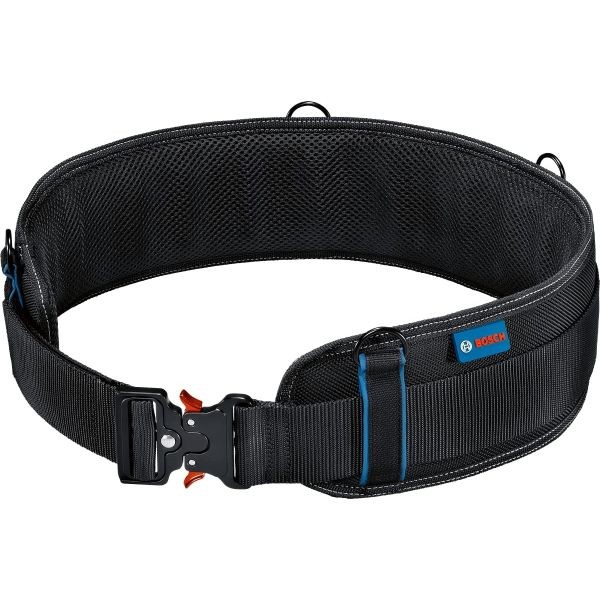
Bosch Tool Belt - Belt 108 LXL - 1600A0265N

For tradespeople across the UK, your tool belt isn't just an accessory; it's an extension of your workspace. It keeps essential tools close at hand, saving countless trips back to the toolbox or van. However, an ill-chosen or poorly loaded tool belt can quickly become a literal pain in the back, leading to discomfort, fatigue, and even long-term injury. At DSIDE.co.uk, we understand the demands of your trade, which is why we’ve put together this comprehensive guide on building a tool belt or rig setup that supports your work, not strains your back.

The Silent Strain: Why Your Tool Belt Might Be Hurting Your Back

Many tradespeople dismiss back pain as 'just part of the job'. While a demanding physical role contributes, poor ergonomics are often a major culprit. An overloaded or unbalanced tool belt creates uneven pressure on your lower back, hips, and shoulders. Repeated bending, twisting, and lifting with this additional weight can exacerbate existing issues or create new ones.

Consider the average weight of your essential hand tools: a hammer, tape measure, utility knife, pliers, screwdrivers, a small drill, and a pouch full of fixings. This quickly adds up to several kilograms. Distributing this weight effectively is crucial for spine health.

Understanding the Different Types of Tool Carrying Systems

Before diving into customisation, let's explore the main categories available:

  • Traditional Tool Belts: Typically a single belt with various pouches, holders, and loops. Great for quick jobs or carrying a specific set of tools.
  • Tool Rigs (Suspender Systems): Combine a belt with shoulder straps (suspenders) to distribute weight more evenly across your shoulders and back, taking pressure off your hips. Ideal for those carrying more tools or working long hours.
  • Apron Style Tool Holders: Less common for heavy-duty trade work but useful for lighter tasks, often worn over the front.

For most UK tradespeople, the choice comes down to a robust tool belt or a full tool rig system. If you find yourself consistently carrying more than a few essential hand tools, a rig is almost always the more back-friendly option.

Building Your Back-Friendly Tool Rig: Step-by-Step

1. The Foundation: A Quality Belt

Even with a suspender system, your belt forms the primary attachment point for your pouches. Don't skimp here. Look for:

  • Width: Wider belts (typically 4-5 inches) distribute weight better over your hips than narrow ones.
  • Padding: Integrated lumbar padding or a padded belt liner provides extra comfort and support.
  • Material: Durable leather (e.g., tough grain leather) or heavy-duty synthetic materials (like ballistic nylon or Cordura) are best. Brands like Kunys, OX Tools, and ToughBuilt offer excellent options. You can find these at Screwfix, Toolstation, and Amazon UK.
  • Buckle: A strong, reliable buckle (roller buckle, quick-release, or double-pronged) is essential.

DSIDE Tip: Always measure your waist before purchasing. Many tool belts are sized differently from regular trousers.

2. Distribute the Load: Suspenders Are Your Friend

This is arguably the most crucial component for back health. Suspenders lift the weight from your hips and spread it across your shoulders and upper back. When choosing:

  • Padded Straps: Wide, padded shoulder straps prevent digging and discomfort. Look for breathable materials.
  • Adjustability: Ensure the suspenders are highly adjustable for both height and chest width. A well-adjusted rig will sit snugly without being restrictive.
  • Attachment Points: Strong metal or reinforced plastic clips that securely attach to your belt.
  • Design: Some suspenders have integrated phone holders or small loops for pencils, adding convenience.

Brands like ToughBuilt offer innovative padded suspenders with their ClipTech system, allowing easy attachment and detachment of pouches. Milwaukee and DeWalt also produce robust padded suspender systems, often found bundled with their belts or sold separately.

3. Modular Pouches: Carry Only What You Need

This is where customisation truly shines. Instead of one large, heavy pouch, opt for a modular system. This allows you to attach and detach specific pouches for different tasks, reducing overall weight.

  • Task-Specific Pouches: Have a dedicated pouch for electrical tools, another for carpentry, and a smaller one for fixings. Only load the ones relevant to your current job.
  • Tool-Specific Holders: A dedicated hammer loop, drill holster (many can accommodate brands like Bosch, Makita, Ryobi, or Milwaukee drills), and tape measure clip are far more comfortable than cramming them into a pouch.
  • Placement: Heavy tools should be placed closer to your body's centre of gravity, ideally slightly behind your hips. Distribute smaller, lighter tools around the front and sides. Aim for balance – avoid having all the weight on one side.
  • Material: Again, durable materials like ballistic nylon or heavy-duty polyester for lightweight yet robust options. Leather pouches offer classic durability but can be heavier.

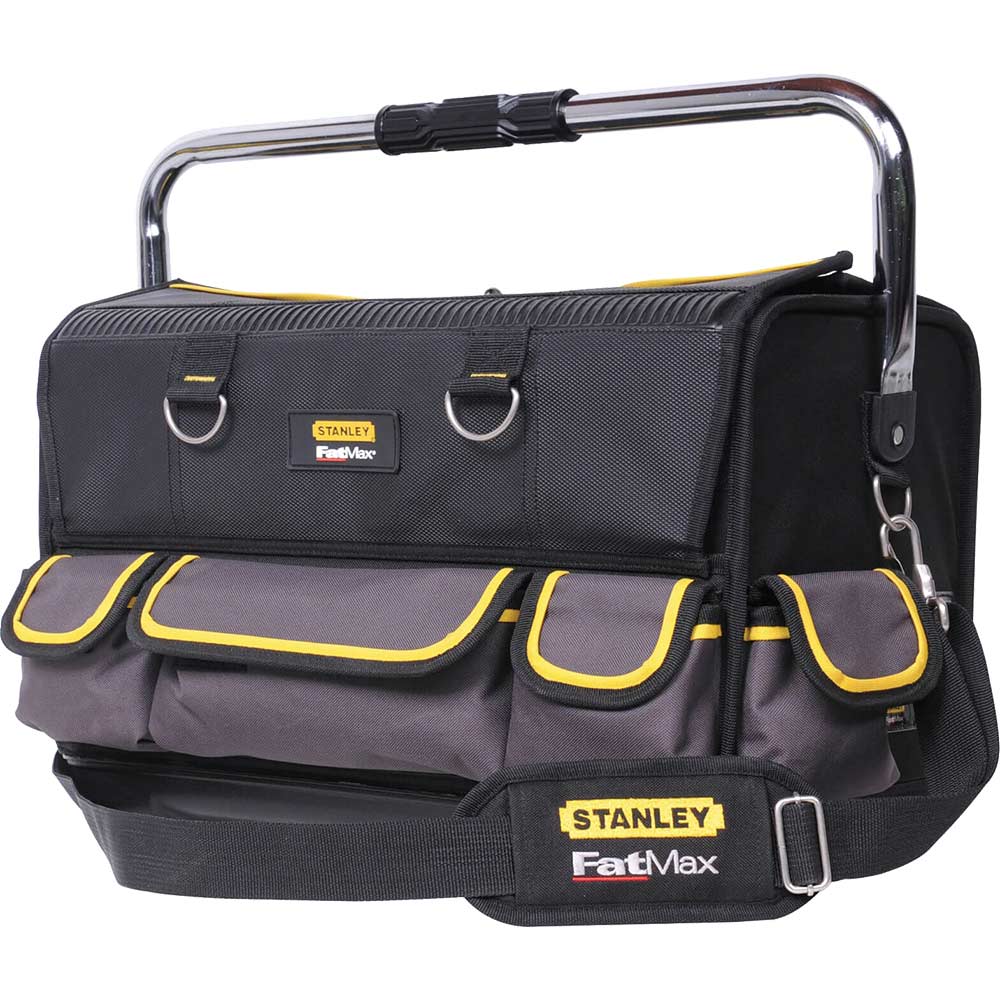
The ToughBuilt ClipTech system is particularly popular in the UK for its versatility, allowing you to quickly swap pouches on and off your belt or even onto a stand on the floor. Other brands like Kunys and Stanley FatMax offer excellent standalone pouches.

4. Smart Loading Techniques for Reduced Strain

  • Only Carry Essentials: This cannot be stressed enough. Before you clip on a pouch, ask yourself if you really need every tool in it for the current task.
  • Balance the Weight: Distribute heavy items evenly on both sides of your body. If you have a drill holster on the right, try to balance it with a heavier pouch of fixings on the left.
  • Keep it Close to Your Body: The further tools protrude from your body, the more leverage they create, pulling on your back. Use compact tools and holders where possible.
  • Organise Internally: Use internal pockets, loops, and dividers within your pouches to prevent tools from shifting and creating imbalances.

Maintenance and Adjustment

Even the best rig needs regular attention:

  • Regular Cleaning: Keeps your gear in good condition and prevents dirt and debris from causing discomfort.
  • Check for Wear: Inspect straps, buckles, and stitching regularly. Replace worn components before they fail.
  • Adjust as Needed: Your body and the tools you carry might change throughout the day. Take a minute to readjust your suspenders and belt for optimal comfort.

Find Your Perfect Setup on DSIDE.co.uk

Investing in a high-quality, ergonomically sound tool belt or rig is an investment in your long-term health and productivity. Don't let back pain be a constant companion on the job. By choosing the right components and adopting smart loading habits, you can build a setup that supports you through every demanding day.

Ready to upgrade your gear? Head over to DSIDE.co.uk to compare prices on a wide range of tool belts, suspenders, and pouches from leading brands like ToughBuilt, Kunys, Milwaukee, DeWalt, and more. We aggregate deals from top UK retailers like Screwfix, Toolstation, and Amazon UK, helping you find the best prices on the tools and accessories you need to work smarter, not harder.

More from the workshop

Comments (0)

Log in to join the conversation.

No comments yet.

310,000+ Products
215+ Trusted Sellers
700,000+ Price Points
72hr Price Updates

Featured Brands

All Brands