









































Explore the UK construction industry's key trends for 2026, from sustainability to digital transformation. Get actionable advice and tool insights.
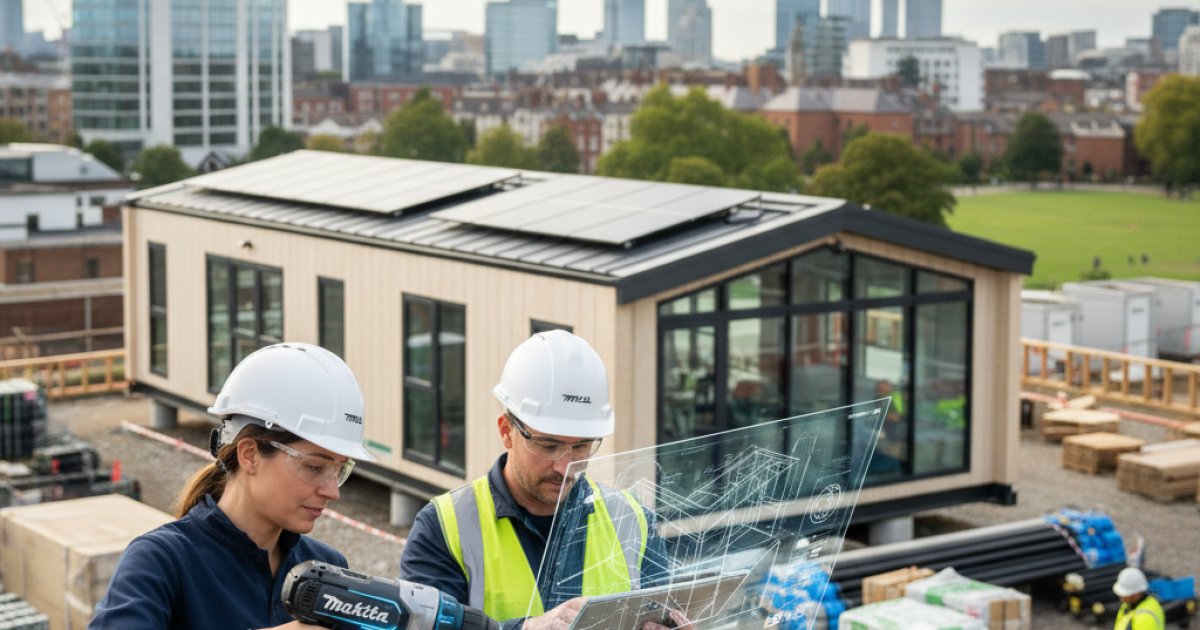
The UK construction industry is a dynamic force, constantly evolving to meet new challenges and opportunities. As we look ahead to 2026, several critical trends are set to reshape how we build, design, and operate within the sector. For tradespeople, site managers, and construction businesses across the UK, understanding these shifts isn't just about staying competitive – it's about building a more efficient, sustainable, and prosperous future.
From groundbreaking technological advancements to an increased focus on environmental responsibility, the next few years promise significant transformation. Here at DSIDE.co.uk, we're dedicated to helping you equip yourselves for whatever the future holds. Let's dive into the UK construction trends to watch in 2026.
Sustainability is no longer a niche concern; it's a fundamental requirement. The UK's ambitious net-zero targets are driving significant changes in construction, with a strong emphasis on reducing carbon footprints throughout a project's lifecycle. In 2026, we'll see an accelerated adoption of:
Upskill in sustainable building practices, understand thermal bridging, and explore certifications like BREEAM or Passivhaus. Invest in tools that support energy efficiency and waste reduction. For example, modern cordless power tools like the Makita XGT or DeWalt FlexVolt ranges offer excellent power with lower energy consumption compared to older corded models. Dust extraction systems, such as the Mirka DEROS or Bosch GAS 35 L SFC+, are crucial for managing material waste and improving air quality, contributing to a healthier, more sustainable site.
The digital revolution continues to sweep through construction, with 2026 expected to see even greater integration of advanced technologies. Artificial Intelligence (AI) and machine learning are moving beyond hype to practical application.
Embrace digital literacy. Familiarise yourself with BIM software (even viewers), understand how data from smart tools and sensors can impact your work, and be open to new digital workflows. Consider investing in smart measuring tools like the Bosch GLM 50-27 C Professional Laser Measure (around £120-£150) or a DeWalt self-levelling laser, which can connect to apps for easier documentation and layout planning. Digital tools improve accuracy and efficiency, critical in complex BIM environments.
Offsite construction, including modular building and prefabrication, is gaining significant momentum in the UK as a solution to productivity challenges, skills shortages, and the demand for faster, higher-quality builds.
Explore opportunities in offsite manufacturing facilities or specialise in the installation of prefabricated components. Precision tools are paramount in this sector. Think accurate cutting equipment like Makita's LS1018L Mitre Saw (often found for £250-£350) or DeWalt's DWS777, and precise fastening solutions. Robust and organised tool storage, such as the Milwaukee PACKOUT system or DeWalt TSTAK, becomes even more valuable for transporting tools to multiple installation sites efficiently.
The construction industry continues to face a significant skills shortage. In 2026, there will be an intensified focus on attracting new talent, upskilling the existing workforce, and creating more inclusive working environments.
Commit to continuous professional development. Seek out training in emerging technologies and sustainable practices. For employers, investing in high-quality, ergonomic tools from brands like Milwaukee, Bosch Professional, or Ryobi ONE+ can improve worker satisfaction, reduce fatigue, and contribute to a safer, more productive site. Providing modern, reliable equipment is a powerful recruitment and retention tool.
As the construction landscape evolves, so too do the tools of the trade. 2026 will see further advancements in tool technology, focusing on power, efficiency, and user comfort.
Stay updated on the latest tool releases. Upgrading to a modern cordless platform can significantly boost productivity and mobility on site. Prioritise tools with advanced safety features and good ergonomics to protect your long-term health. Retailers like Screwfix, Toolstation, and Amazon UK are excellent places to find the latest models from top brands like Bosch, Ryobi, and HiKOKI. Remember, investing in quality tools is an investment in your future.
“The construction industry of 2026 will be defined by innovation and adaptation. Those who embrace sustainable practices, digital tools, and advanced equipment will be best positioned for success.”
As these exciting trends gather pace, having the right tools for the job is more important than ever. Whether you're upgrading your cordless kit to the latest DeWalt or Makita offerings, investing in precision laser measures from Bosch, or seeking ergonomic solutions from Milwaukee, DSIDE.co.uk is your essential resource.
We compare prices from leading UK retailers, helping you find the best deals on the tools and hardware you need to thrive in the evolving UK construction industry of 2026. Don't pay over the odds – compare prices on DSIDE.co.uk before your next purchase and build smarter, not harder.
The UK construction industry in 2026 will be characterised by significant progress in sustainability, digital integration, offsite methods, and workforce development, all underpinned by cutting-edge tool technology. By understanding and adapting to these key trends, tradespeople and construction businesses can future-proof their operations and contribute to a more innovative and resilient sector. Stay informed, stay equipped, and let DSIDE.co.uk help you find the best tools for tomorrow's challenges.
Price alerts on the kit you're reading about, plus the bargains our team files each day.
Create a free account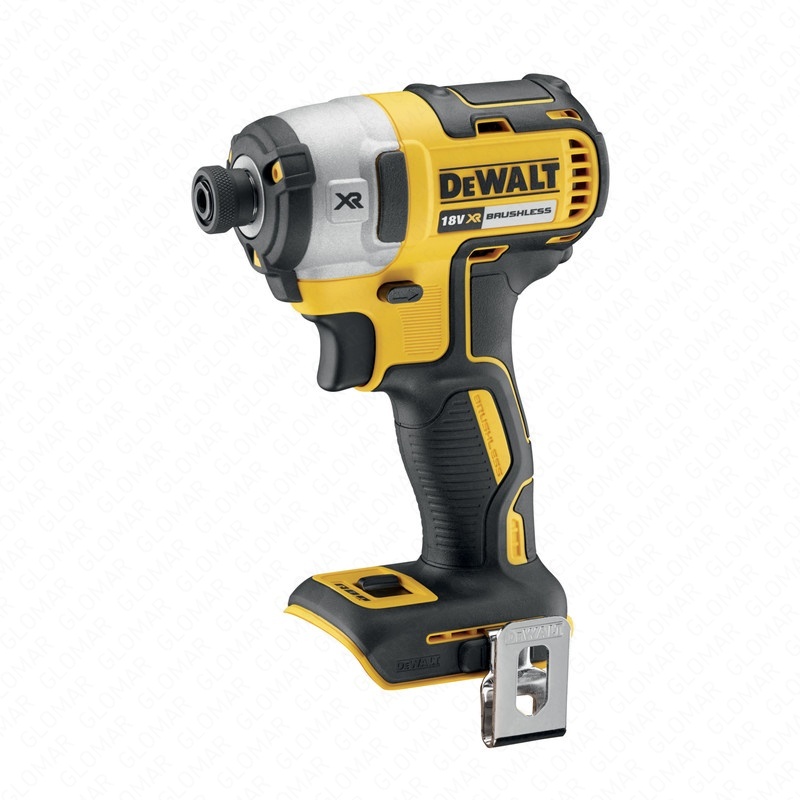

Comments (0)
No comments yet.