








































Explore the surging sustainability trends in UK hardware, from eco-friendly tools to circular economy practices. Learn practical tips for greener buying.

The hum of innovation in the UK hardware industry isn't just about more powerful drills or smarter tech; it's increasingly focused on sustainability. As environmental concerns grow, so does the demand for greener practices, tools, and materials. For tradespeople, DIY enthusiasts, and businesses alike, understanding these shifts is crucial – not just for the planet, but for smarter buying and a more efficient workflow. At DSIDE.co.uk, we’re seeing a clear trend: sustainability is no longer a niche, it's becoming mainstream.
In this article, we'll delve into the key sustainability trends shaping the UK hardware sector, offering practical advice and highlighting how major brands and retailers are adapting. We'll explore everything from eco-friendly tool design to circular economy initiatives, ensuring you're equipped to make more informed, sustainable choices.
One of the most significant shifts towards sustainability has been the widespread adoption of battery-powered tools. Gone are the days when cordless meant underpowered; modern lithium-ion technology delivers impressive performance that often rivals corded counterparts, with numerous environmental benefits.
Battery-powered tools eliminate direct emissions at the point of use, making them a healthier choice for tradespeople working indoors or in confined spaces. They also significantly reduce noise pollution, a critical factor for urban jobsites and residential areas. Brands like DeWalt, Makita, Bosch Professional, and Milwaukee have invested heavily in robust 18V and 36V platforms, offering a vast ecosystem of tools powered by interchangeable batteries.
For instance, a Makita DHP485Z 18V LXT Brushless Combi Drill (typically available body-only for £70-£100 at retailers like Screwfix or Toolstation) offers comparable power to many corded drills without the need for an electrical outlet or generator. This translates to less reliance on fossil fuels for power generation on-site, contributing to cleaner air.
While batteries offer environmental advantages, their disposal remains a concern. The industry is responding with improved battery longevity, more efficient charging, and enhanced recycling programmes. Many manufacturers, including Ryobi with their ONE+ system, are focusing on making their batteries more durable and offering clearer guidance on recycling points. Always check if your local council or hardware store (like larger B&Q or Wickes branches) offers battery recycling facilities.
A core principle of sustainability is reducing waste, and in the hardware sector, that means making tools that last longer and can be repaired rather than replaced. Investing in quality tools might seem more expensive upfront, but it pays dividends both financially and environmentally in the long run.
Leading brands understand that robust construction is vital. Tools from Milwaukee, renowned for their jobsite durability, or Bosch Professional, known for engineering excellence, are designed to withstand the rigours of daily professional use. Choosing a well-built tool means fewer replacements and less material consumption over time.
“The most sustainable tool is the one you already own that can be repaired.”
Manufacturers are increasingly making spare parts more readily available, facilitating repairs rather than outright replacement. Before purchasing, consider the availability of spare parts and service centres. A £20 component might extend the life of a £300 power tool by several years, making it a far more sustainable choice than discarding it.
The concept of a circular economy – where products, materials, and resources are kept in use for as long as possible, extracting the maximum value from them whilst in use, then recovering and regenerating products and materials at the end of each service life – is gaining traction in hardware.
From power tool casings made partly from recycled plastics to packaging designed for minimal waste, brands are innovating. Look for products that clearly state their use of recycled content. Furthermore, many companies are reducing plastic packaging, opting for cardboard or biodegradable alternatives. Retailers like Amazon UK are actively pushing suppliers to reduce packaging waste for shipped items.
For hand tools with wooden handles, workbenches, or timber products, certifications like FSC (Forest Stewardship Council) or PEFC (Programme for the Endorsement of Forest Certification) are crucial. These ensure that wood is sourced from sustainably managed forests, protecting biodiversity and supporting local communities. When buying timber from Screwfix or Toolstation, always check for these certifications.
UK retailers are playing a vital role in driving sustainability within the hardware industry. Their purchasing decisions, in-store recycling schemes, and customer education initiatives have a significant impact.
Making sustainable choices doesn't have to be complicated. Here's how you can contribute:
The trajectory for the UK hardware industry is clear: a steady, irreversible shift towards more sustainable practices. From the design and manufacture of tools to their distribution and disposal, every stage is being re-evaluated through an environmental lens. By embracing these trends and making conscious purchasing decisions, you not only support a healthier planet but also benefit from more efficient, durable, and cost-effective tools for your trade or projects.
Stay informed, choose wisely, and remember to check DSIDE.co.uk for the best prices on all your sustainable hardware needs.
Price alerts on the kit you're reading about, plus the bargains our team files each day.
Create a free account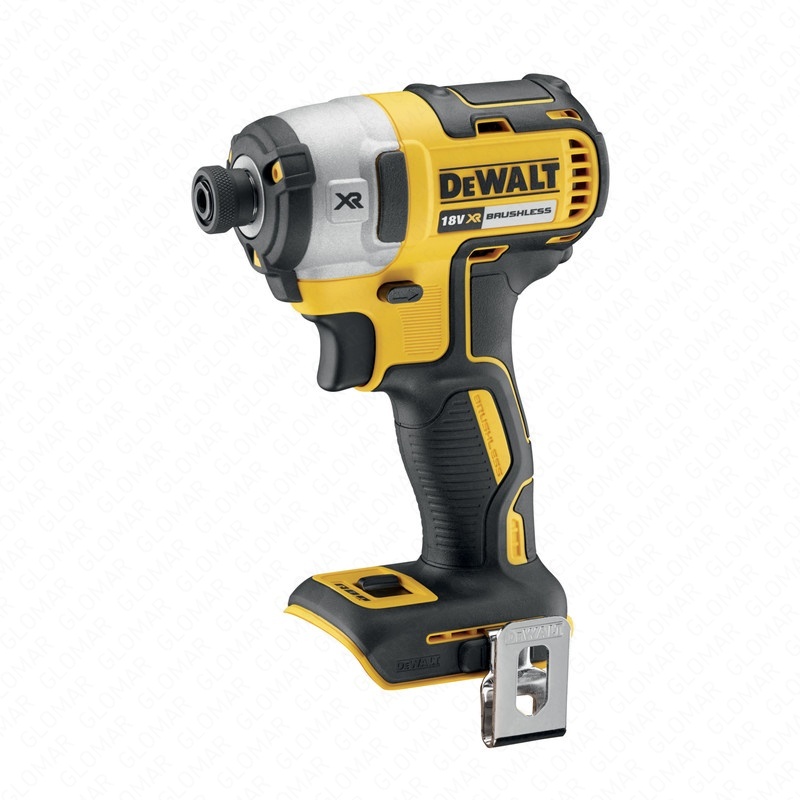
Comments (0)
No comments yet.