Every tradesperson knows the struggle: a fully loaded tool belt can feel like a concrete slab after a few hours on site. While essential for keeping your most-used tools close at hand, a poorly configured or excessively heavy setup can lead to chronic back pain, reduced efficiency, and even early retirement from the tools. At DSIDE.co.uk, we're all about helping you work smarter, not harder. This guide will walk you through building a tool belt or rig setup that prioritises ergonomics, weight distribution, and accessibility – all while being kind to your back.
Understanding the Problem: Why Your Back Hurts
The primary culprit is uneven weight distribution. A traditional, narrow leather belt with heavy tools concentrated on one side or sagging at the front can put immense strain on your lower back. Over time, this constant pull can lead to muscle fatigue, disc compression, and sciatic nerve issues. The goal is to distribute the weight across your hips and shoulders, utilising modern materials and intelligent design.
Before diving into specific components, let's clarify the main types:
- Traditional Tool Belt: A belt worn around the waist with pouches attached. Best for lighter loads, quick jobs, or those who prefer minimal bulk. Less back support than a rig.
- Tool Rig (Suspender System): A tool belt integrated with shoulder straps (suspenders). This is the gold standard for back protection, as it distributes weight more evenly across your shoulders and hips, significantly reducing lower back strain. Essential for carrying a full complement of tools.
For most UK tradespeople carrying multiple tools throughout the day, a tool rig with suspenders is almost always the superior choice for long-term back health.
1. The Foundation: A Quality Padded Belt
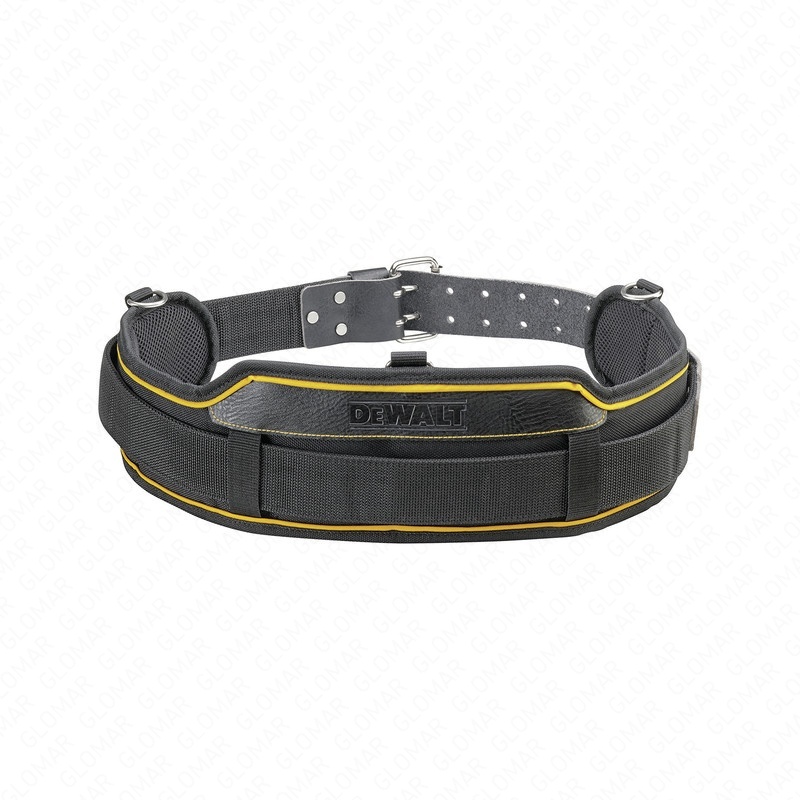
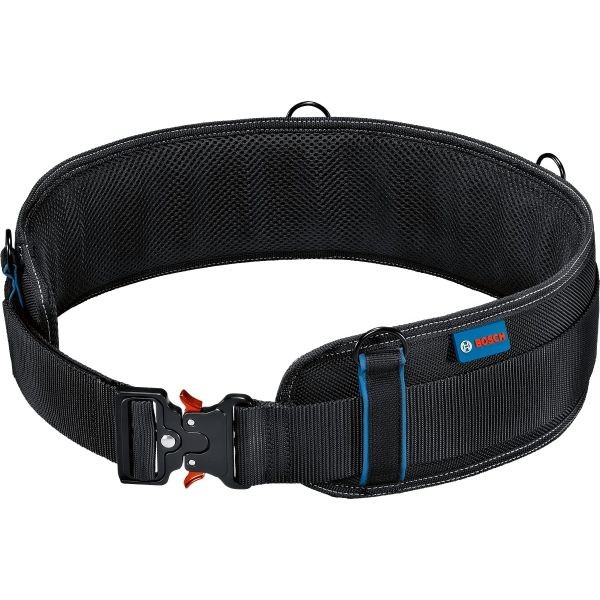
Forget thin, unpadded leather belts. Your primary belt needs to be wide, well-padded, and robust. Look for:
- Width: At least 4-6 inches wide to spread pressure over a larger area of your hips.
- Padding: Dense, breathable padding (e.g., air mesh, foam) for comfort and to prevent digging in.
- Material: Durable synthetic materials like ballistic nylon or tough polyester are often lighter and more weather-resistant than heavy leather.
- Buckle: A strong, easy-to-operate buckle. Quick-release buckles are a bonus.
Recommended Brands/Products:
- Milwaukee Padded Work Belt: Often available for around £40-£60 at Toolstation or Screwfix, these offer excellent padding and robust construction.
- DeWalt Padded Work Belt: Similar to Milwaukee, offering good value and durability, typically £35-£55.
- Makita Heavy Duty Padded Tool Belt: Known for their quality, these are a solid choice for longevity, often £50+.
2. The Game Changer: Ergonomic Suspenders
This is where you genuinely save your back. Suspenders lift the weight from your hips and distribute it across your shoulders and upper back. Look for:
- Wide, Padded Straps: Crucial for comfort. Thin straps will dig in.
- Adjustability: Must be easily adjustable to fit your torso length and preference.
- Secure Attachments: Strong clips or loops that securely attach to your belt without slipping.
- Breathable Material: Prevents overheating, especially on warmer days.
- Chest Strap: A sternum strap helps keep the suspenders from sliding off your shoulders.
Recommended Brands/Products:
- Snickers Workwear Flexi Toolbelt Suspenders: A popular choice for comfort and durability, often £30-£50.
- ToughBuilt Padded Suspenders: Designed to integrate with their modular system, these are highly ergonomic, typically £25-£40.
- Kunys Utility Suspenders: A classic choice, durable and widely available, often £20-£35.
3. Modular Pouches: Customise Your Carry
This is where personal preference and trade specialisation come in. Modular pouches allow you to attach only the tools you need for a specific job, preventing unnecessary weight.
- Quantity & Size: Resist the urge to overload. Carry only what you'll use frequently. Large, bulky pouches often encourage overpacking.
- Accessibility: Position pouches for easy access to your most-used tools without twisting or straining. Keep frequently accessed items on your dominant side.
- Specialised Pouches: Look for dedicated drill holsters, nail bags, hammer loops, or fastener pouches.
- Material: Again, ballistic nylon or heavy-duty polyester offers durability without excessive weight.
- Attachment System: Systems like ToughBuilt's ClipTech allow you to quickly attach and detach pouches, meaning you only carry what's essential.
Recommended Brands/Products:
- ToughBuilt ClipTech Pouches: Revolutionary for customisation, allowing you to swap pouches on and off your belt. Widely available at Screwfix or Amazon UK, prices vary from £15-£40 per pouch.
- Milwaukee PACKOUT Pouches/Tool Bags: While part of a larger system, their belt-attachable pouches offer great quality.
- DeWalt Pouch Sets: Often sold in multi-packs, offering good value for general use.
4. Strategic Tool Placement & Weight Distribution
This is crucial for preventing imbalances:
- Balance the Load: Try to distribute heavier items (e.g., large hammer, impact driver) evenly on both sides of your body, rather than all on one hip.
- Centred Items: Keep lighter, less frequently used items around your back or off the belt entirely if possible.
- Hammer Loop Placement: Position your hammer loop slightly behind your hip, or on the non-dominant side if you often reach for other tools with your dominant hand. Avoid placing it directly over your hip bone where it can jab you.
- Consider Alternatives: For really heavy tools (e.g., large recip saw), consider a separate tool bag on wheels or an L-Boxx system for transport, only taking it off when needed.
Tips for Maintaining a Back-Healthy Rig
- Regular Cull: Every few weeks, empty your rig. You'll be surprised what unnecessary items accumulate.
- Adjust Throughout the Day: Your body position changes. Re-adjust your suspenders and belt tension as needed.
- Offload When Possible: If you're doing a repetitive task in one area, take your rig off and set it beside you.
- Stay Hydrated & Stretch: Good posture, hydration, and regular stretching (especially for your core and back) complement an ergonomic rig.
“Investing in an ergonomic tool rig isn't just about comfort; it's about career longevity. A few extra quid now can save you countless hours of physio later.”
A veteran carpenter
Compare Prices and Build Your Ideal Setup with DSIDE.co.uk
Building the perfect, back-friendly tool rig doesn't have to break the bank. With so many great options from brands like DeWalt, Makita, Bosch, Milwaukee, and Ryobi, you can find quality gear for every budget.
Before you head to Screwfix, Toolstation, or browse Amazon UK, make sure you compare prices on DSIDE.co.uk. We aggregate deals from top UK retailers, helping you find the best value on padded belts, ergonomic suspenders, modular pouches, and all the tools to fill them. Your back will thank you for it!
Start building your back-saving tool rig today and work smarter, not harder.

































Comments (0)
No comments yet.