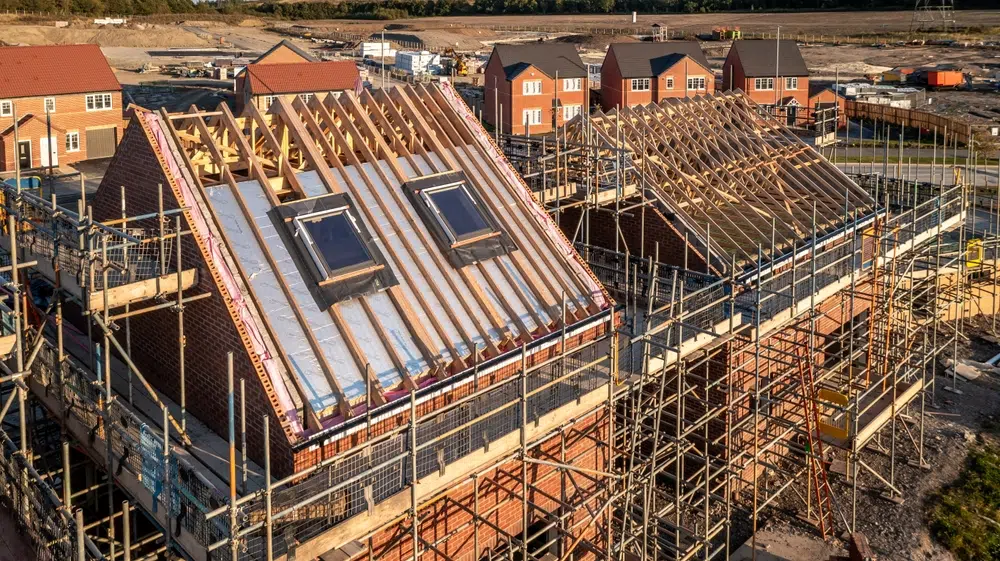








































NHBC figures show Q3 2026 new home registrations fell 13% year-on-year, increasing pressure on the housing sector ahead of the Autumn Budget.

Figures released by the National House-Building Council (NHBC) reveal a significant downturn in UK residential construction, with new home registrations falling 13% in the third quarter of 2026 compared to the same period in 2025. Total registrations dropped from 30,279 to 26,231 homes, signaling a clear slowdown across the housebuilding sector. The decline places fresh financial and policy pressure on housebuilders and the government ahead of the upcoming Autumn Budget.
The drop in registrations reflects broader economic hesitation, persistent high borrowing costs, and planning delays that continue to stymie new residential developments. As tier-one developers scale back site starts, the impact flows directly down through the construction supply chain. Sub-contractors, groundworkers, joiners, and mechanical trades are experiencing reduced forward-order books, which in turn reduces immediate demand for core building materials, structural timber, and heavy site equipment.
What does this mean for a UK tradesperson or DIYer actually buying this kit — does it change what they should pay, buy, or watch out for?
A 13% contraction in major housebuilding typically prompts builders' merchants such as Travis Perkins, Wickes, and B&Q to adjust their inventory strategies. With main contractors buying fewer bulk building materials, merchants often rely more heavily on local trade counters and serious DIYers to sustain revenue. Tradespeople may see promotional pricing or increased competition on high-volume consumables, fixings, and hand tools as retailers compete for smaller-scale domestic renovation trade. However, sub-contractors reliant on new-build developments should watch their cash flow carefully, consider diversifying into home extensions or maintenance, and avoid over-investing in expensive new battery platforms or machinery until site starts recover.
With large-scale residential starts dipping, domestic repair, maintenance, and improvement (RMI) work becomes the primary stabilizing force for self-employed trades. Contractors should monitor local merchant pricing for materials, negotiate trade account rates where volume drops, and ensure labor estimates remain realistic in a competitive domestic market.
Reported by PBC Today — original article
Price alerts on the kit you're watching, plus the deals our team files each day.
Create a free account