







































NHBC reports a 13% drop in new home registrations for Q3 2026, indicating continued slowdowns across the UK residential construction sector.
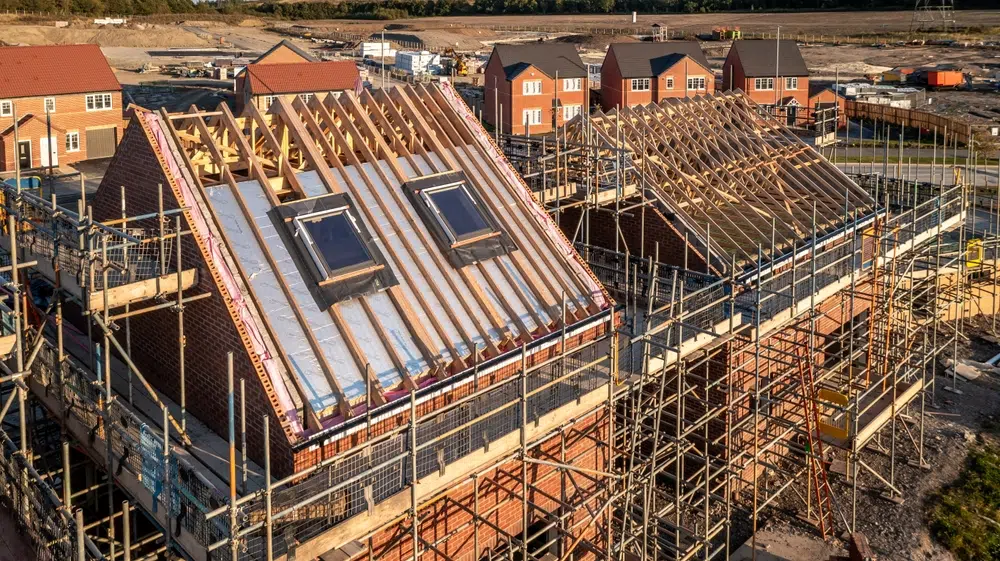
Figures from the National House Building Council (NHBC) reveal that new home registrations fell by 13% year-on-year in the third quarter of 2026, dropping to 26,231 units. The decline highlights persistent headwinds across the residential housebuilding sector, as developers slow down new site starts in response to wider economic conditions and elevated borrowing costs.
As the primary warranty and insurance provider for new builds in the UK, NHBC registration figures serve as a reliable lead indicator for future residential construction activity. The sustained drop signals a quieter period ahead for main contractors, residential developers, and the wider trade supply chain as projects currently breaking ground begin to wind down.
What does this mean for a UK tradesperson or DIYer actually buying this kit — does it change what they should pay, buy, or watch out for?
A dip in new housebuilding output directly impacts demand for core building materials and high-volume trade supplies. Subcontractors, self-employed joiners, bricklayers, and electricians working predominantly on new-build developments should expect tighter margins and stiffer competition for site tenders. On the purchasing side, trade merchants like Travis Perkins, Jewson, and Wickes may see slower stock turnover for heavy materials, potentially leading to targeted promotional pricing, clearance events, or bulk-buy deals on foundational supplies like timber, insulation, and fixings.
Tradespeople preparing for a potential lull in site work should avoid over-investing in high-ticket heavy machinery or specialized corded gear right now. Instead, prioritize versatile cordless hand tools and daily consumables that can be easily pivoted toward domestic repair, maintenance, and improvement (RMI) projects, where consumer demand typically remains more resilient.
Self-employed trades should audit their upcoming pipeline for late 2026 and consider diversifying away from pure new-build subcontracting. Keeping an eye on national merchant clearance channels over the coming months could yield cost savings on core materials, helping to keep job quotes competitive without eroding profit margins.
Reported by ScaffMag — original article
Price alerts on the kit you're watching, plus the deals our team files each day.
Create a free account