


































Selecting building insulation requires balancing thermal performance with airtightness, moisture management, and thermal bridging to ensure structural durability.
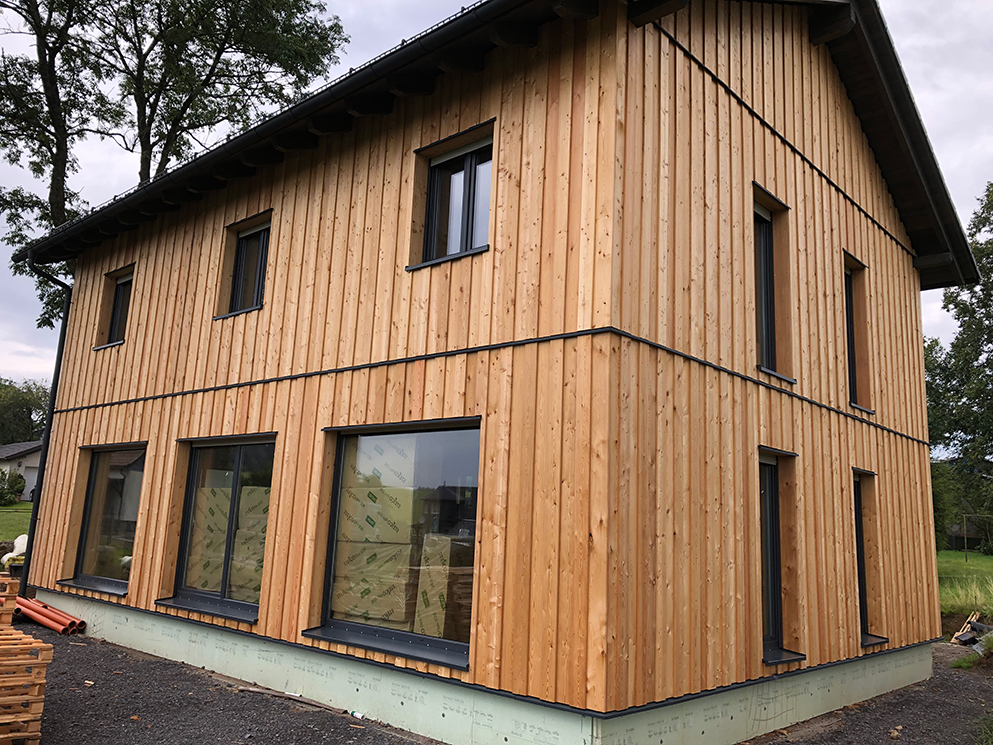
Thermal specification in UK construction must look beyond simple U-value targets to prevent long-term structural failure and poor indoor environmental quality. While meeting basic thermal transfer thresholds remains a statutory requirement under modern energy efficiency policies, focusing solely on insulation thickness often overlooks crucial moisture control, thermal bridging, airtightness, and overheating risks.
Achieving low U-values requires adding performance layers to the building envelope. However, if water vapour movement and fabric ventilation are improperly managed, condensation can accumulate within the structure. This increases the risk of timber rot, reduced insulation performance, and interior dampness. Addressing cold bridges at junctions and preventing unintentional airflow are essential steps to ensure that nominal thermal ratings reflect actual in-situ performance.
What does this mean for a UK tradesperson or DIYer actually buying this kit — does it change what they should pay, buy, or watch out for?
Builders, roofers, and joiners buying insulation boards, rolls, and membranes at Wickes, B&Q, or local builders' merchants cannot simply select the highest-spec insulation board and assume compliance. Correct installation requires spending extra on complementary systemic accessories, including vapour control layers (VCLs), intelligent membranes, specialized sealing tapes, and dedicated breather membranes. Failing to purchase and correctly fit the matching airtightness accessories for a specific insulation product can lead to costly rework or sign-off delays under Part L and Part F regulations.
When pricing jobs or buying materials, installers should treat thermal fabric upgrades as complete integrated systems rather than standalone insulation slabs. Factoring in compatible sealing products, specialized fixings, and proper ventilation components alongside the main insulation material prevents premature structural degradation and ensures regulatory compliance.
Reported by Housebuilder & Developer — original article
Price alerts on the kit you're watching, plus the deals our team files each day.
Create a free account