







































Expert analysis on the immediate emergency response, HSE investigations, and legal processes following a serious scaffolding site incident.
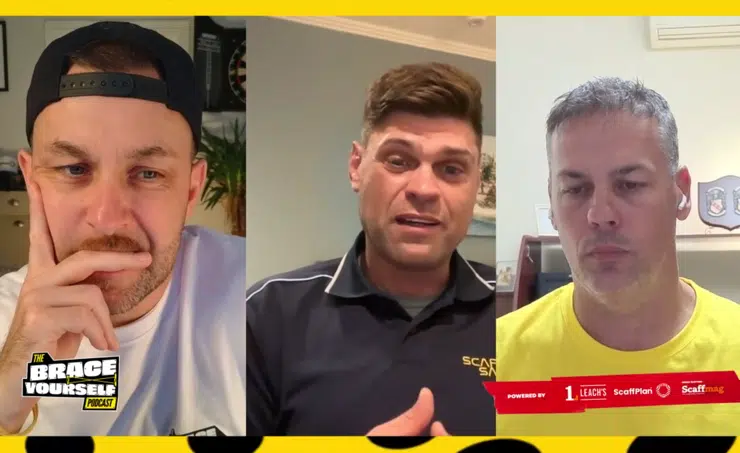
Following a serious scaffolding incident on a UK site, a highly regulated sequence of actions is triggered immediately. In a recent detailed discussion on the Brace Yourself Podcast, expert witness Keaton Owen outlined the crucial stages that follow an event, moving from initial site containment and emergency services response through to formal Health and Safety Executive (HSE) investigations and court proceedings.
When structural failures or falls from height occur, sites are typically secured as active crime scenes. The HSE works alongside emergency services to establish the root causes, examining scaffolding design drawings, handover certificates, inspection logs, and worker training records. The process highlights the severe legal liabilities faced by site managers, duty holders, and sub-contractors if statutory standards are breached.
What does this mean for a UK tradesperson or DIYer actually buying this kit — does it change what they should pay, buy, or watch out for?
While this analysis focuses on site incidents, the commercial message for tradespeople, scaffolders, and builders purchasing safety kit, access equipment, and fixings is clear: never compromise on certified gear. When sourcing scaffolding components, staging, fall-arrest harnesses, or heavy-duty anchors from retailers like Screwfix, Toolstation, or specialist access suppliers, trades must verify full compliance with UK safety standards (such as BS EN 12811 for scaffolding). Buying unbranded, second-hand, or non-compliant access kit to save on upfront costs introduces immense legal and physical risk. Every piece of equipment bought must be accompanied by proper inspection documentation and maintained meticulously to withstand regulatory scrutiny during site audits or investigations.
The primary takeaway for active sites is that documentation is as vital as hardware. Trades using temporary access structures must ensure seven-day routine inspections are strictly logged, and that all personnel working at height are equipped with fully certified personal protective equipment before stepping onto the rig.
Reported by ScaffMag — original article
Price alerts on the kit you're watching, plus the deals our team files each day.
Create a free account