








































Reports indicate some Type B RCDs fail to trip correctly with DC components. Electricians are urged to verify testing procedures for safe installations.
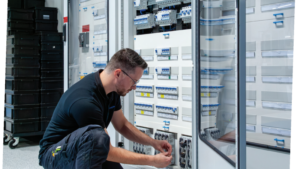
Installers are being urged to double-check the DC tripping performance of Type B Residual Current Circuit Breakers (RCCBs) following an increase in field reports highlighting functional failures. Martin Plumbridge, Technical Manager at Doepke, has highlighted concerns that certain Type B devices on the market are failing to operate correctly when exposed to direct current components.
Type B RCDs are designed to provide protection against smooth DC residual currents, making them standard specification for EV charging infrastructure, solar PV installations, and variable speed drives. However, feedback from experienced electrical contractors suggests that specific market designs may not trip within required safety parameters under actual DC fault conditions.
To ensure installations remain compliant and safe, technical experts advise taking extra time during initial verification to test Type B devices across their full operating spectrum. Relying solely on basic AC or standard pulsed DC test routines may mask underlying issues with smooth DC detection capabilities.
What does this mean for a UK tradesperson or DIYer actually buying this kit — does it change what they should pay, buy, or watch out for?
For sparkies sourcing components from merchants like Screwfix, Toolstation, or specialist electrical wholesalers, this issue highlights the risk of buying unverified low-cost protective devices. Type B RCCBs are premium components, often costing significantly more than Type A or AC alternatives. Installing cheap, unbranded, or poorly tested units to cut job costs poses serious liability risks if a fault occurs on an EV charger or PV system.
Reported by Professional Electrician — original article
Price alerts on the kit you're watching, plus the deals our team files each day.
Create a free account