Updating your home can feel like a massive undertaking, but sometimes, the simplest changes make the biggest impact. Replacing old, tired interior doors is one such project. Not only can new doors dramatically improve the aesthetics of a room, but they can also enhance privacy, reduce noise, and even contribute to better thermal efficiency. While it might seem daunting, fitting interior doors is a rewarding DIY task that, with the right tools and guidance, is well within the capabilities of most homeowners.
This comprehensive guide from DSIDE.co.uk will walk you through every step of the process, from selecting the perfect door to the final adjustments. We'll cover essential tools, critical measurements, and provide actionable advice to ensure your new doors hang perfectly. Ready to give your home a fresh new look? Let's get started!
Understanding Your Project: Before You Begin
Choosing the Right Door
Before you even pick up a tape measure, you need to decide what type of door suits your home and needs:
- Hollow Core Doors: Lightweight and economical, often pre-primed or finished. Good for general use where noise reduction isn't a primary concern. Expect to pay from around £30.
- Solid Core Doors: Heavier and more robust, offering better sound insulation and a more premium feel. They are often made with a particleboard core or solid timber. Prices typically start from £80.
- Fire Doors (FD30): Essential for certain areas (e.g., connecting a garage to a house, or in flats/HMOs). They are solid, heavy, and designed to resist fire for at least 30 minutes. Always check building regulations if you suspect you need one. Prices from £100 upwards.
- Glazed Doors: Feature glass panels to allow light through, ideal for darker hallways. Ensure they comply with safety glass standards (BS EN 12150).
- Materials & Finish: Doors come in various timbers (oak, pine), MDF, or composites. Many are supplied primed ready for painting, while others are pre-finished with a veneer or lacquer.
Consider the style (panelled, flush, shaker), the weight (especially if you're working alone), and the desired finish to complement your existing décor.
Essential Tools & Materials
Having the right tools is half the battle. While you don't need every gadget under the sun, a good selection will make the job much easier and safer. Remember, you can compare prices on all these tools at DSIDE.co.uk to find the best deals from retailers like Screwfix, Toolstation, and Amazon UK.
- Measuring & Marking:
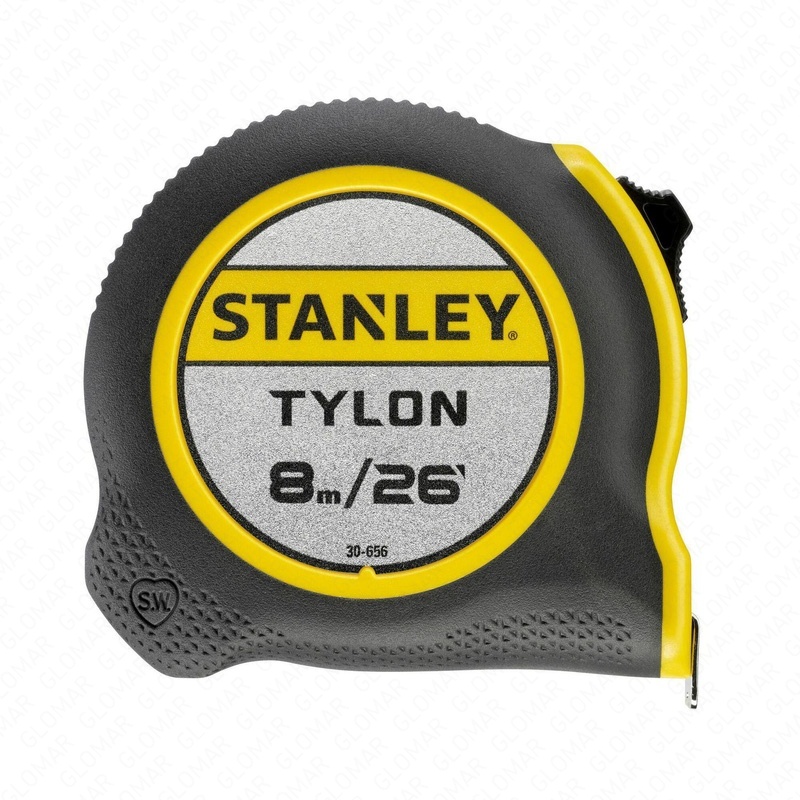
- Tape Measure: A robust 5m tape, like a Stanley FatMax, is invaluable.
- Pencil & Marking Knife: For accurate marking and scoring.
- Spirit Level: A 600mm Stabila or similar for checking plumb and level.
- Combination Square/Marking Gauge: For transferring measurements accurately.
- Cutting & Shaping:
- Circular Saw: For precise, straight cuts when trimming the door. A DeWalt DCS578 or Makita HS7601J with a fine-tooth blade and a guide rail will give professional results.
- Hand Saw: A sharp panel saw for smaller adjustments.
- Jigsaw: A Bosch PST 800 PEL can be useful for cutting out latch plates or if you don't have a circular saw.
- Electric Planer: A Ryobi CPL180M or Bosch PHO 2000 is excellent for fine-tuning door edges. A traditional hand plane works too!
- Wood Chisels: A set of sharp chisels (e.g., Faithfull or Stanley FatMax) for mortising hinges and latch plates.
- Router (Optional but Recommended): A Makita RT0700C or Bosch POF 1400 ACE with a hinge jig makes precise mortising much quicker and easier.
- Hanging & Fixing:
- Cordless Drill/Driver: A powerful 18V model like a Milwaukee M18 or DeWalt DCD796 for drilling pilot holes and driving screws.
- Wood Screws: 30-40mm countersunk screws for hinges, 75mm screws for fixing frame if needed.
- Hinges: Three high-quality ball bearing hinges (e.g., 75mm or 100mm depending on door weight) per door.
- Wooden Wedges/Shims: For supporting and positioning the door.
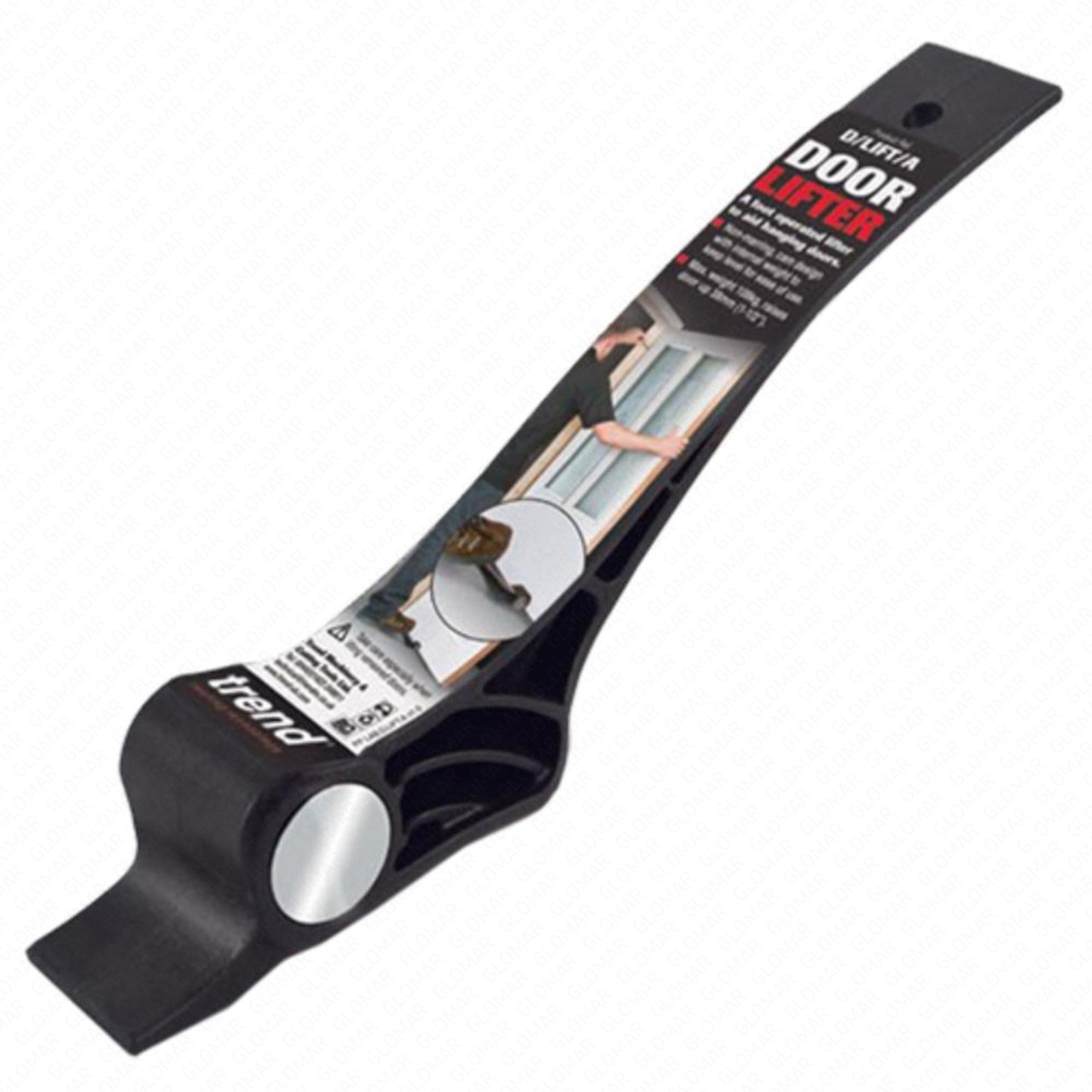
- Door Props/Lifters: Handy for single-person installation.
- Finishing:
- Sandpaper: Various grits for smoothing.
- Wood Filler: For minor imperfections.
- Paint/Varnish & Brushes/Rollers.
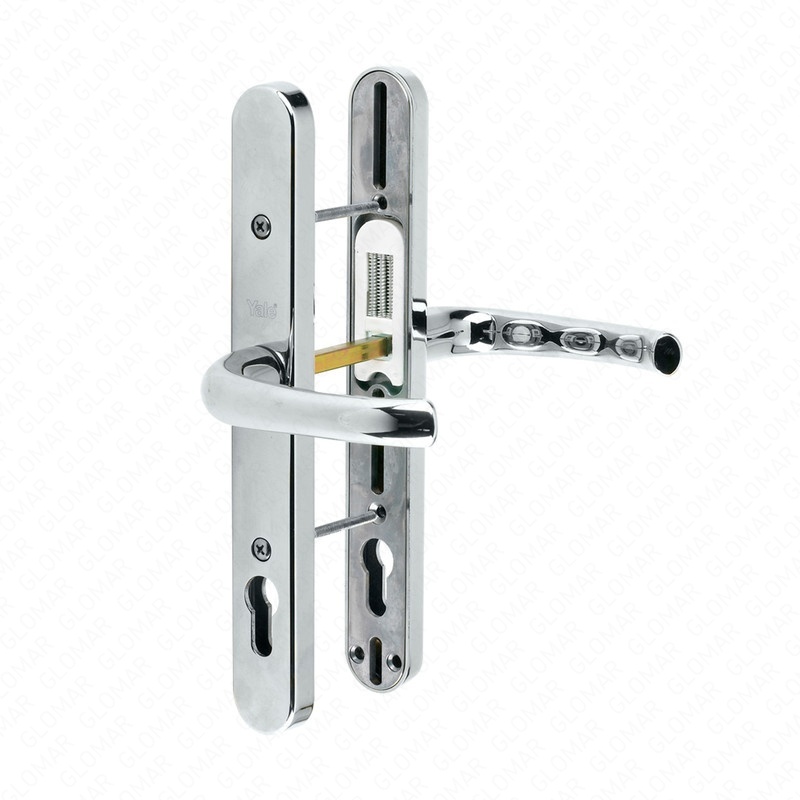
- Door Furniture: Handles, latch mechanism (e.g., Union or ERA), escutcheons, etc.
- Safety Gear:
- Safety Glasses: Always wear them! Bolle safety glasses are popular.
- Gloves: For handling timber.
- Dust Mask: When cutting or sanding.
Safety First!
Always prioritise safety. Wear appropriate personal protective equipment (PPE), understand how to use your power tools safely, and ensure your work area is clear and well-lit. Interior doors, especially solid core or fire doors, can be very heavy – don't be afraid to ask for help when lifting and positioning!
Step-by-Step Guide to Fitting Your Interior Door
Step 1: Accurate Measurement is Key
Precision here prevents headaches later. If you're replacing an existing door, remove it carefully. If it's a new frame, ensure it's plumb and square.
- Measure the height of the door frame from the top of the flooring to the underside of the door frame head. Take measurements at three points (left, centre, right) and use the smallest measurement.
- Measure the width of the door frame between the door stops at three points (top, middle, bottom) and use the smallest measurement.
- Measure the thickness of the frame and the door stop to ensure your new door will sit flush. Standard door thickness in the UK is 35mm or 44mm for fire doors.
Calculations:
- Door Height: Your measured height minus 3mm for the top gap and 6-10mm for the bottom gap (allowing for flooring or carpet clearance).
- Door Width: Your measured width minus 3mm for the hinge side and 3mm for the latch side (total 6mm).
Step 2: Preparing the New Door Slab
Unpack your new door and lay it on a clean, stable surface (trestles are ideal). Check for any damage or warps. If the door needs trimming:
- Mark your calculated width and height onto the door. Always trim from the two long edges equally if possible, and from the bottom edge for height, to maintain the door's structural integrity or aesthetic.
- Use a circular saw with a straight edge guide for the best results. Set your saw depth to just cut through the door. For very accurate cuts, score the cut line with a sharp knife first to prevent splintering.
- For small adjustments (1-2mm), an electric planer is perfect. Take off small amounts at a time, checking the fit regularly.
Step 3: Marking & Mortising for Hinges
The correct placement of hinges is crucial for a well-hanging door. Standard placement is 6-9 inches (approx. 150-225mm) from the top and bottom of the door, with a third hinge roughly equidistant between them or slightly above centre for heavier doors.
- Mark the hinge positions on the edge of the door.
- Place a hinge against each mark and trace its outline carefully with a marking knife or pencil.
- Score around the hinge outline with a marking knife to create crisp edges.
- Using a sharp wood chisel (e.g., a Faithfull chisel set) and a mallet, carefully remove the wood within the outline to the depth of the hinge leaf. The hinge should sit perfectly flush with the door's edge. Alternatively, use a router with a hinge jig for professional results and speed.
- Repeat this process on the door frame, ensuring the hinge positions on the frame align perfectly with those on the door. Use the new door as a template, holding it in position in the frame.
Step 4: Installing the Hinges
- Once the mortises are cut, place the hinges into their recesses on the door.
- Pre-drill pilot holes for the screws using a drill bit slightly smaller than the screw shank. This prevents splitting the wood.
- Screw the hinges securely to the door, ensuring they are flush and tight. Use good quality 25-30mm wood screws.
Step 5: Hanging the Door
This is where an extra pair of hands or a door lifter comes in handy!
- Position the door in the frame, using wedges or a door lifter to support its weight and achieve the correct gaps (3mm at the top, sides, and bottom swing side).
- Align the hinge leaves on the door with the hinge mortises on the door frame.
- Starting with the top hinge, pre-drill pilot holes into the frame.
- Screw the top hinge to the frame, then the middle, and finally the bottom hinge. Don't fully tighten all screws until you've checked the door's swing and gaps.
- Gently swing the door open and closed. Check all gaps are even. If the door binds, you may need to adjust the hinge mortises or lightly plane the sticking edge. Shims behind the hinge leaves can adjust the door's position slightly.
Step 6: Fitting the Latch and Handle
The standard height for a door handle is typically 900-1000mm from the bottom of the door.
- Mark the desired height for your handle on the closing edge of the door.
- Consult your latch instructions for the correct backset (distance from the door edge to the centre of the spindle hole). Mark this on the door face.
- Using your cordless drill, drill the spindle hole (typically 25mm for standard latches) using a spade bit or hole saw.
- Drill a smaller hole (usually 19-22mm) into the door edge for the latch mechanism, ensuring it meets the spindle hole.
- Insert the latch mechanism and trace its faceplate. Chisel out a mortise so the faceplate sits flush.
- Screw the latch into place, then fit the handles and spindle, following the manufacturer's instructions.
- Finally, fit the strike plate to the door frame. Mark its position by closing the door until the latch bolt touches the frame. Trace the outline, chisel out the recess, drill for the bolt, and screw the strike plate into position.
Step 7: Finishing Touches
- Once the door is hanging perfectly, remove it (by unscrewing the hinge leaves from the frame) for painting or varnishing. This ensures an even finish and prevents paint getting on hinges.
- Sand the door smooth, fill any small imperfections with wood filler, and apply your chosen paint or varnish according to the product instructions.
- Once dry, re-hang the door and install any remaining door furniture like escutcheons or keyholes.
Common Pitfalls & Troubleshooting
- Door Sticking: Often due to insufficient gaps. Identify the sticking point and plane a small amount off the door edge until it clears. Check hinge mortise depth.
- Uneven Gaps: Indicates the door isn't plumb or the frame isn't square. Shims behind hinge leaves on the frame side can push the door out slightly.
- Door Dropping: If the door sags over time, it could be poor quality hinges or screws. Use longer, thicker screws or replace hinges with sturdier ball-bearing types.
Cost Considerations
The cost of fitting interior doors can vary widely. A basic hollow core door might cost £30-£50, while a high-quality pre-finished oak door or an FD30 fire door could be £150-£250+. Hinges typically cost £5-£20 per pair, and door furniture (handles, latches) can range from £15 to £50+ per set.
If you're starting from scratch with tools, that's your biggest initial outlay. However, many of these tools (drill, circular saw, chisels) are versatile and will serve you for countless future DIY projects. Remember to compare prices on DSIDE.co.uk to make sure you're getting the best value for your budget on all your tools and hardware, whether you're shopping at Screwfix, Toolstation, or Amazon UK.
Why Choose DIY?
While hiring a professional certainly has its merits, fitting your own interior doors offers immense satisfaction. You'll save significantly on labour costs (often £50-£100 per door), gain valuable skills, and have the pride of knowing you transformed your home with your own hands. Plus, with the money saved, you can invest in better quality tools that will last you for years to come.
Conclusion
Fitting interior doors is a practical DIY project that can significantly refresh the look and feel of your home. By following this detailed guide, taking accurate measurements, and using the right tools, you can achieve a professional finish. Don't rush, take your time, and enjoy the process of improving your living space.
Ready to get started? Head over to DSIDE.co.uk to compare prices on all the tools and hardware you'll need for your interior door installation project!










































Comments (0)
No comments yet.