Dreaming of a beautiful outdoor space to relax, entertain, and enjoy the British sunshine? A garden decking can totally transform your garden, providing a dedicated area for dining, lounging, or simply admiring your green thumb. The good news? For a small to medium-sized deck, you might just be able to build it yourself in a single weekend!
At DSIDE.co.uk, we're all about empowering DIY enthusiasts to tackle projects with confidence, and saving you money on the tools and materials you need. In this comprehensive guide, we'll walk you through the entire process, from planning and purchasing to cutting and fixing, ensuring your weekend decking project is a resounding success.
Is Building a Decking in a Weekend Really Possible?
Absolutely, for the right project! We're talking about a relatively straightforward, ground-level or low-level deck, perhaps 3m x 3m or similar. Larger, multi-level decks or those requiring extensive groundwork will naturally take longer. But with good planning, the right tools, and a bit of elbow grease (maybe an extra pair of hands!), you can certainly achieve a fantastic garden decking in approximately two days.
This guide focuses on a simple, timber-frame decking structure, which is the most common and achievable for weekend warriors.
Step 1: Planning Your Decking Project (Crucial!)
1.1 Design and Location
- Purpose: What will you use it for? Dining, sunbathing, a BBQ area? This influences size.
- Size & Shape: Measure your chosen area carefully. Use string and pegs to mark it out in your garden. A common beginner-friendly size might be 2.4m x 3.6m.
- Sunlight: Consider how the sun moves throughout the day.
- Existing Features: Work around trees, sheds, or house access points.
- Drainage: Ensure water won't pool underneath or against your house.
1.2 Check Local Planning Regulations
Important: Always check with your local council regarding planning permission, especially if your deck will be raised more than 30cm from the ground, covers more than 50% of your garden area, or is close to a boundary.
1.3 Material Choices: Timber vs. Composite
For a weekend project, pressure-treated softwood timber is your most accessible and budget-friendly option. It's readily available from UK retailers like Screwfix and Toolstation. Composite decking is low maintenance but generally more expensive and harder to work with for a quick build.
1.4 Budgeting for Your Decking
A small to medium timber deck (materials only) might cost anywhere from £300 to £700, depending on the timber quality and your exact dimensions. Tools are an initial investment, but a good quality drill or saw will serve you for many DIY projects to come!
Having the right tools makes all the difference. Remember, you can compare prices for all these essentials on DSIDE.co.uk!
2.1 Essential Tools
- Power Drill/Driver: A cordless 18V combi drill from brands like DeWalt (e.g., DCD796), Makita (e.g., DHP484), or Bosch (e.g., GSB 18V-55) is indispensable for drilling pilot holes and driving screws. An impact driver (e.g., Ryobi R18IDBL-0, Milwaukee M18 FID2) is even better for driving long decking screws.
- Circular Saw: Essential for cutting timber accurately. A lightweight model like the Bosch PKS 16 Multi or a more powerful Makita HS301DZ will make light work of joists and boards.
- Spirit Level: A long one (120cm/48in) and a shorter one (60cm/24in) for accurate levelling.
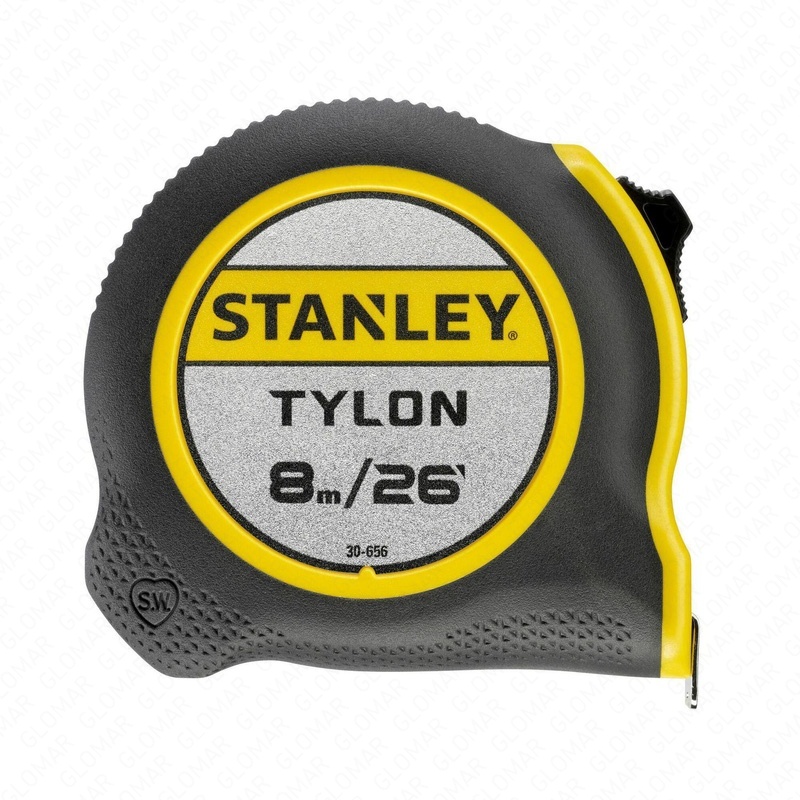
- Tape Measure: At least 5m/16ft.
- Pencil & Set Square: For marking accurate cuts.
- Spade/Post-Hole Digger: If you're setting posts in concrete.
- Safety Gear: Gloves, safety goggles, and ear defenders are non-negotiable!
- Optional but Recommended: Jigsaw (for intricate cuts), string line, claw hammer, wrench set, f-clamps.
2.2 Essential Materials
- Pressure-Treated Timber Joists: Typically 47x100mm or 47x150mm for the subframe, depending on span and height. Available in lengths like 3.6m or 4.8m.
- Pressure-Treated Decking Boards: Standard sizes are often 28x120mm or 32x150mm. Buy slightly more than you calculate for wastage.
- Decking Screws: Exterior grade, corrosion-resistant, ideally self-drilling. E.g., Screwfix Decking Screws or similar brands. Ensure they are long enough (typically 65-75mm for boards, 100-120mm for frame).
- Weed Control Fabric & Staples/Pegs: To prevent weeds growing through your deck.
- Gravel or Hardcore: For a drainage layer under the fabric.
- Concrete Mix/Postcrete: If using timber posts for your foundation.
- Adjustable Decking Pedestals (Optional): For quicker, easier levelling on solid surfaces, reducing the need for extensive post-setting.
- Wood Preserver/Decking Oil: For finishing.
Find the best deals on all your timber, screws, and hardware from UK retailers like Screwfix, Toolstation, and Amazon UK by checking prices on DSIDE.co.uk!
Step 3: Building Your Decking – The Weekend Plan
Day 1: Foundation and Subframe
3.1 Site Preparation
- Clear the Area: Remove any debris, turf, or plants.
- Mark Out: Use your string and pegs to accurately mark the perimeter of your decking. Double-check all measurements and ensure corners are square using the 3-4-5 rule (or a large set square).
- Level the Ground: While the deck frame itself needs to be level, having a reasonably flat base helps. Dig out high spots and fill low ones, compacting the soil.
- Weed Control & Drainage: Lay down a permeable weed control fabric, securing it with pegs. Cover this with a shallow layer (50-100mm) of gravel or hardcore for drainage.
3.2 Establishing the Foundation
This is critical for stability. For a low-level deck, common foundations include:
- Concrete Pads/Pavers: Simply place concrete slabs on your gravel bed at key support points, ensuring they are level.
- Timber Posts in Concrete: Dig post holes (approx. 450-600mm deep), set treated timber posts (e.g., 100x100mm) in Postcrete, ensuring they are plumb and level. Allow to set.
- Adjustable Decking Pedestals: These are fantastic for speed and accuracy. Place them on your concrete pads or directly on a well-compacted sub-base, and simply adjust their height to get a perfectly level frame.
Aim for support points roughly every 1.2m – 1.8m along your main bearers, ensuring they are perfectly level with each other.
3.3 Building the Subframe (Joist Frame)
- Cut Main Bearers: These are the longest timbers that form the outer perimeter of your deck. Cut them to length using your circular saw.
- Assemble the Outer Frame: Screw the main bearers together using suitable frame screws (e.g., 100-120mm long) and a strong corner joint (e.g., a butt joint with a joist hanger or L-brackets, or a half-lap joint for stronger traditional construction). Ensure it's square and rigid.
- Install Joists: Cut your internal joists to fit between the main bearers. Typical spacing for decking boards is 400mm-450mm centre-to-centre. Secure them using joist hangers or by screwing directly through the outer frame. Make sure they are perfectly level with the top of your main bearers.
- Add Noggins (Optional but Recommended): For added rigidity and to prevent joist twisting, add short timber pieces (noggins) between joists, particularly if spans are long.
Day 2: Laying Decking Boards and Finishing
3.4 Laying the Decking Boards
- Start Straight: Begin laying your first decking board along the longest, most visible edge, ensuring it's perfectly straight and parallel to the frame edge. Use a string line if needed.
- Fixing: Use two decking screws per joist for each board. Pre-drilling pilot holes (especially near ends) will prevent splitting. Drive screws until flush with the board surface – avoid over-tightening.
- Spacing: Leave a small gap (3-8mm) between boards for drainage and timber expansion/contraction. You can use spare screws, spacers, or even a 5mm drill bit as a spacer.
- Cutting: Cut boards to length as you go, using your circular saw. For the last board, you may need to rip it down its length if the gap is smaller than a full board.
- Stagger Joints: If your deck is longer than your decking boards, stagger the joints across different joists for a stronger and more attractive finish.
3.5 Finishing Touches
- Trim Edges: Once all boards are laid, use your circular saw or jigsaw to trim any overhangs to create neat, straight edges.
- Clean Up: Sweep away sawdust and debris.
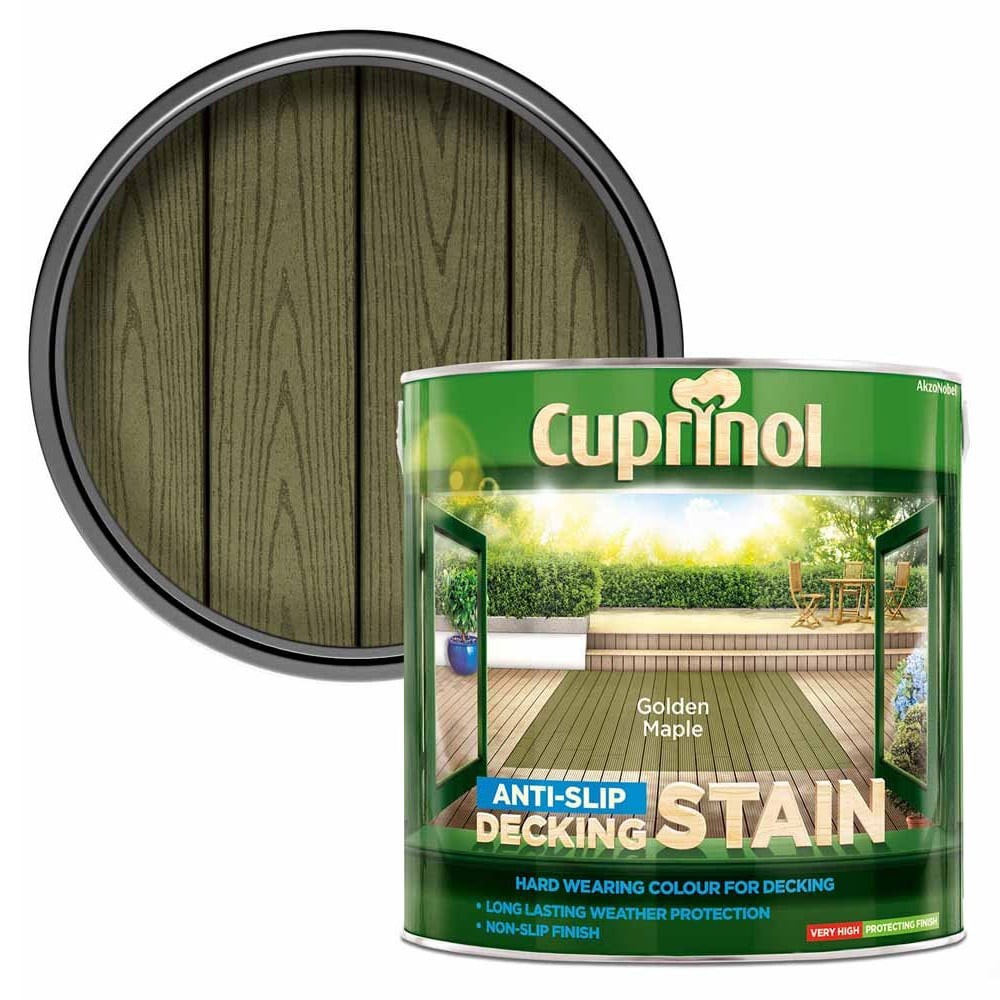
- Apply Protection: Apply a suitable decking oil, stain, or preservative. This protects the timber from UV damage and rot, extending its life and enhancing its appearance. Follow product instructions carefully.
- Add Balustrades (If Necessary): If your deck is high enough to be a fall hazard (e.g., over 600mm high), you'll need to install balustrades or railings, potentially adding more time to your project.
Safety First!
Always prioritise safety. Wear appropriate PPE (gloves, goggles, ear defenders), read tool manuals, and be mindful of electrical cables or water pipes when digging or drilling.
Maintaining Your New Decking
To keep your decking looking great for years, give it an annual clean with a stiff brush and specialist decking cleaner. Re-apply decking oil or stain every 1-2 years, depending on the product and exposure to the elements.
Ready to Build Your Dream Deck?
Building your own garden decking is a rewarding project that adds significant value and enjoyment to your home. With careful planning and the right tools, it's an achievable weekend DIY task.
Don't forget to visit DSIDE.co.uk to compare prices on all the power tools, timber, screws, and accessories you'll need from top UK retailers like Screwfix, Toolstation, and Amazon UK. Get the best deals and get building!











































Comments (0)
No comments yet.