A garden shed is more than just a storage unit; it's a dedicated space for hobbies, a workshop, or simply a tidy home for your garden tools. While pre-made sheds are convenient, building one from scratch offers immense satisfaction, customisation, and often, superior quality for your specific needs. But where do you begin? This comprehensive guide for DSIDE.co.uk will walk you through the essential materials and tools you'll need to construct your dream shed, tailored for the UK DIY enthusiast. Remember, for all your tool and hardware purchases, DSIDE.co.uk is your go-to for comparing prices and finding the best deals across top UK retailers!
Planning Your Shed Project: The Foundation of Success
Before you even think about cutting timber, meticulous planning is crucial. Consider your shed's purpose, size, and location. This will dictate your material choices and design.
UK Planning Permission & Regulations
Most small garden sheds (under 2.5m high, not more than half your garden area) won't require planning permission, especially if they're not used for residential purposes. However, always check with your local council's planning department, particularly if you live in a conservation area, AONB, or if your shed will be very large or close to a boundary. Building regulations generally don't apply to sheds under 15m² floor area, or those between 15m² and 30m² if they're more than 1m from a boundary and not sleeping accommodation.
Designing Your Shed & Base
Sketch out your design. Think about window placement, door size, and roof style. The base is paramount for longevity. Common options include:
- Concrete Slab: The most durable and permanent. Requires significant groundwork.
- Paving Slabs: A good option for smaller sheds, laid on a well-compacted sub-base of hardcore and sand.
- Timber Frame Base: Raised off the ground on concrete pads or pier foundations, allowing excellent ventilation and preventing damp.
Essential Materials for Your DIY Shed
Building a shed from the ground up requires a carefully curated list of materials. Here’s a breakdown of what you’ll need, with rough cost estimates (prices vary widely by supplier and market conditions):
1. Framing Timber
- Type: Pressure-treated softwood (C16 or C24 grade). C24 is stronger and often straighter, ideal for larger sheds or if you're building to a high standard.
- Sizes: Common sizes for wall studs are 45x70mm or 45x90mm. Floor joists and roof purlins might be 45x90mm or 45x140mm depending on span.
- Quantity: This depends entirely on your design. Start with a cutting list from your plans.
- Cost Estimate: Expect to spend anywhere from £300 to £800+ on structural timber, depending on shed size and timber grade.
2. Cladding
The exterior skin of your shed, providing weather protection and aesthetic appeal.
- Shiplap: Interlocking boards offering a smooth, modern finish and excellent weatherproofing.
- Tongue & Groove (T&G): Similar to shiplap, often used for flooring or more robust walls.
- Featheredge / Overlap: Traditional, rustic look where boards overlap each other. Good ventilation but less secure than shiplap/T&G.
- OSB/Plywood & Batten: A more industrial look, using OSB or exterior-grade plywood, covered with battens for weatherproofing and aesthetics.
- Cost Estimate: Cladding can range from £200 to £600+.
3. Roofing Materials
- Sub-Decking: 11mm or 18mm OSB3 (weather-resistant) or exterior-grade plywood for the roof deck.
- Roof Covering:
- Green Mineral Felt: The most common, affordable, and DIY-friendly. Typically comes in rolls (e.g., IKO Super Shed Felt).
- EPDM Rubber: More expensive upfront but offers superior durability (50+ years), flexibility, and a seamless finish.
- Corrugated Sheets: Bitumen, PVC, or metal – lightweight, easy to install, and good for steeper pitches.
- Bargeboards & Fascias: Treated timber for weather protection and a neat finish.
- Cost Estimate: Roofing materials can be £100 to £300+.
4. Flooring
- Material: 18mm OSB3 or exterior-grade plywood. Laid directly onto your floor joists.
- Cost Estimate: Around £80 to £200 depending on shed size.
5. Windows & Doors
- You can build your own using framing timber and polycarbonate sheets (safer than glass) or purchase pre-made shed windows and doors from retailers like Screwfix or Toolstation.
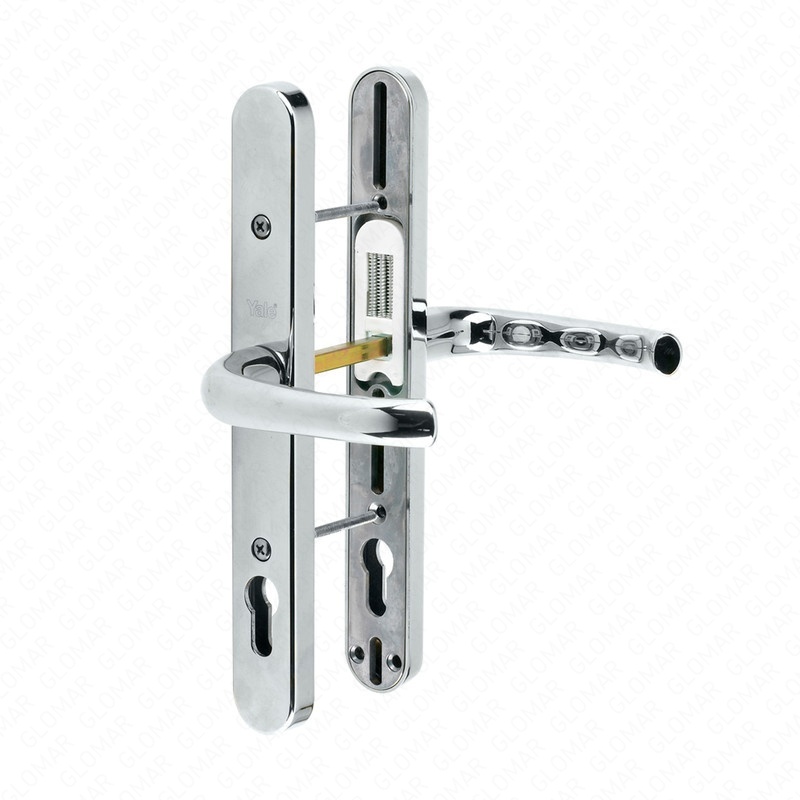
- Hardware: Hinges, latches, bolts, handles.
- Cost Estimate: £50 to £250+.
6. Fixings & Adhesives
- Screws: Exterior-grade decking screws (e.g., Reisser R2 or Spax) are essential for framing. Wood screws for cladding and internal fixtures.
- Nails: Galvanised nails for roofing felt, sometimes for cladding (e.g., using a nail gun for speed).
- Wood Glue: Exterior-grade (e.g., Gorilla Wood Glue) for stronger joints.
- Silicone Sealant: Exterior-grade for sealing around windows and any gaps.
- Flashings: For roof edges and corners if using EPDM or corrugated.
- Cost Estimate: £50 to £150+.
7. Wood Preservatives & Finishes
- Wood Preservative: Essential for untreated timber or cut ends of treated timber to prevent rot and insect attack (e.g., Barrettine Premier Wood Preserver).
- Exterior Wood Paint/Stain: For decoration and additional protection (e.g., Cuprinol Garden Shades).
- Cost Estimate: £50 to £100+.
Top Tip: Always over-order slightly on timber and fixings. It's better to have a few spares than to halt work for a trip to the timber merchant!
Building a shed is a fantastic project for both seasoned DIYers and those looking to expand their tool collection. Here are the must-have tools, from measuring to cutting and fastening:
1. Measuring & Marking Tools
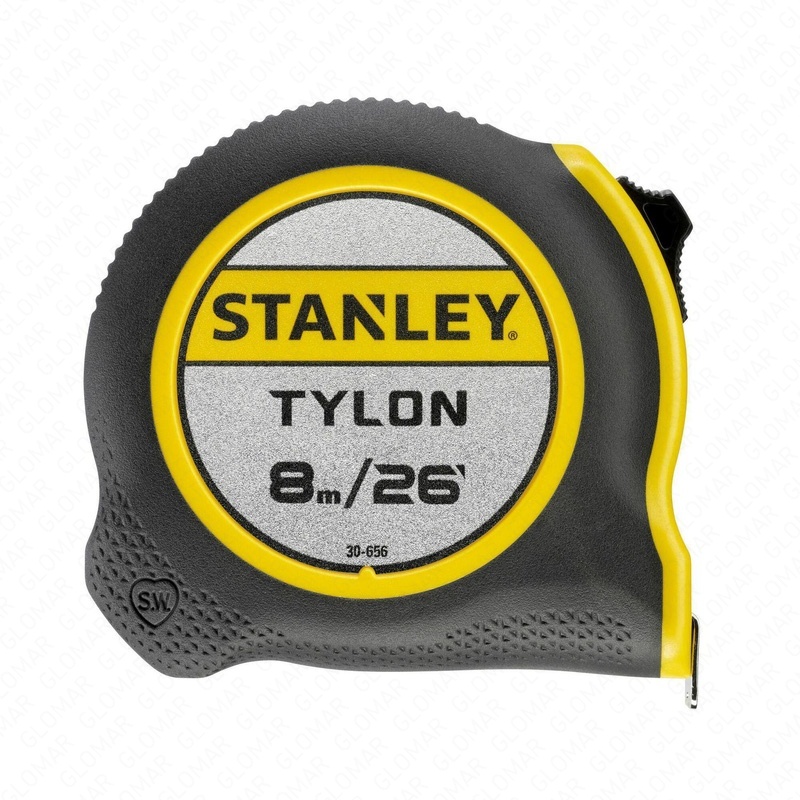
- Tape Measure: A good quality, robust tape like a Stanley FatMax for accurate measurements.
- Spirit Level: A long level (1.2m or 1.8m) for checking plumb and level, plus a smaller one for fine-tuning. Stabila levels are highly regarded.
- Builder's Square / Speed Square: Essential for marking perfect 90-degree cuts.
- Pencil & Chalk Line: For marking timber and long lines.
2. Cutting Tools
- Circular Saw: An absolute workhorse for cutting long lengths of timber and sheet materials quickly and accurately. Look for a powerful model from DeWalt (e.g., DCS575 FlexVolt), Makita (e.g., HS7601), or Bosch (e.g., GKS 190). Expect to pay £150-£300 for a decent corded model or more for cordless.
- Mitre Saw (Chop Saw): Excellent for precise cross-cuts and angled cuts on framing timber. A sliding compound mitre saw is ideal for wider boards. Brands like Bosch (e.g., GCM 8 SJL), DeWalt, and Ryobi offer great options. Prices from £200-£400+.
- Jigsaw: Handy for intricate cuts, curves, and cutting out window openings. A Ryobi R18JS-0 (cordless) or Bosch PST 900 PEL (corded) are solid choices. Typically £50-£150.
- Hand Saw: For quick, small cuts where power tools are overkill or impractical. A good panel saw (e.g., Bahco or Stanley) is a must.
3. Drilling & Fastening Tools
- Cordless Drill/Driver: Your most-used tool. Essential for drilling pilot holes and driving screws. Brands like Makita (e.g., DHP484), DeWalt (e.g., DCD796), Bosch (e.g., GSB 18V-55), and Milwaukee (e.g., M18) are top-tier. A good 18V model will cost £100-£250 (body only).
- Impact Driver: A game-changer for driving long screws quickly and effortlessly without stripping heads. Often bought as part of a twin pack with a drill/driver. Milwaukee M18 FID2 or Ryobi R18IDBL are great options.
- Hammer Drill: If you're pouring a concrete base or fixing your timber base to concrete, you'll need one for drilling into masonry.
- Brad Nailer/Stapler: (Optional but highly recommended) Speeds up cladding and fixing roof felt. Many cordless options from Ryobi or DeWalt.
4. Hand Tools & Accessories
- Claw Hammer: For general use and extracting nails.
- Chisel Set: For small adjustments and notching timber.
- Utility Knife: A sharp Stanley knife for cutting felt, insulation, and general tasks.
- Wood Clamps: For holding pieces securely while you drill or fasten.
- Workbenches / Saw Horses: Crucial for safe and comfortable working.
- Caulking Gun: For applying silicone sealant.
5. Safety Gear
Never compromise on safety!
- Safety Glasses: Essential for all cutting and drilling.
- Work Gloves: Protect your hands from splinters and rough materials.
- Ear Protection: Crucial when using power tools like circular saws and mitre saws.
- Dust Mask: Especially when cutting timber or sanding.
Budgeting & Where to Buy
A DIY shed project can cost anywhere from £1,200 to £3,500+, depending heavily on size, materials chosen, and whether you need to buy all your tools from scratch. Materials typically account for the bulk of the cost, but investing in quality tools will make the job easier and more enjoyable for future projects.
You can source your materials and tools from a variety of UK retailers:
- Timber & Building Materials: Local timber merchants, Wickes, B&Q, Travis Perkins.
- Tools & Hardware: Screwfix, Toolstation, Amazon UK, FFX, ITS, Powertool World.
Before you make any purchase, remember to visit DSIDE.co.uk! We help you compare prices from all the leading UK retailers, ensuring you get the best deal on everything from your Makita circular saw to your Stanley tape measure.
Ready to Build?
Building your own shed is a rewarding endeavour that adds significant value and functionality to your garden. With the right materials and a capable set of tools, you'll be amazed at what you can achieve. Take your time, plan thoroughly, and enjoy the process of bringing your vision to life.
And when you're ready to equip your workshop, don't forget to check DSIDE.co.uk for all your tool and hardware needs – we make comparing prices simple, so you can focus on building!










































Comments (0)
No comments yet.