








































Hultafors Group highlights safety and build quality differences in telescopic ladders used by UK electricians, plumbers, and DIYers.
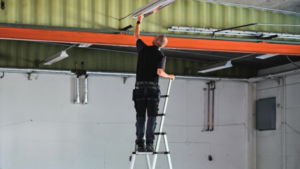
Telescopic ladders have rapidly earned a place in the back of vans across the UK. Electricians, plumbers, and joiners routinely opt for these collapsible units because they fit easily into small vehicles, take up minimal storage space, and eliminate the need for external roof racks. However, as demand has soared, the market has become saturated with models that vary drastically in build standard, rigidity, and safety features.
Nicki Hickman, Marketing Manager of Hultafors Group's Hardware division, has warned that trade professionals must look beyond convenience when selecting access equipment. While budget models appear to perform the same basic function, significant engineering differences exist in the quality of the aluminum alloys, locking mechanisms, and pinch-point protections integrated into higher-tier ladders.
For tradespeople, a ladder failure carries catastrophic consequences. Cheap import units often suffer from sloppy tolerances between sections, leading to excessive flex when fully extended. Over time, poor-quality locking pins can stick or fail to engage fully, creating a serious hazard on site. Professional standards require access gear to withstand daily abuse, heavy loads, and rough transit without compromising user safety.
What does this mean for a UK tradesperson or DIYer actually buying this kit — does it change what they should pay, buy, or watch out for?
When purchasing a telescopic ladder from merchants like Screwfix or Toolstation, tradespeople should avoid unbranded online bargains that lack clear compliance markers. Expect to pay a premium for recognized trade brands such as Hultafors or Youngman. While a basic ladder might cost under £100, professional-grade models typically range from £150 to £300. Buyers must verify that the product strictly complies with the latest EN131-6 safety standard for telescopic ladders, check the duty rating, and inspect the closing mechanism to ensure soft-close features are present to prevent hand injuries.
Telescopic units excel for quick inspections and light-duty tasks in confined domestic spaces. However, for continuous heavy-duty construction work, traditional extension or combination ladders remain the sturdier choice. Always inspect the locking indicators on every rung before stepping onto the ladder.
Reported by Professional Electrician — original article
Price alerts on the kit you're watching, plus the deals our team files each day.
Create a free account