






































Rising temperatures threaten UK site productivity and safety. Construction technology offers tools to plan for extreme heat and protect workers.
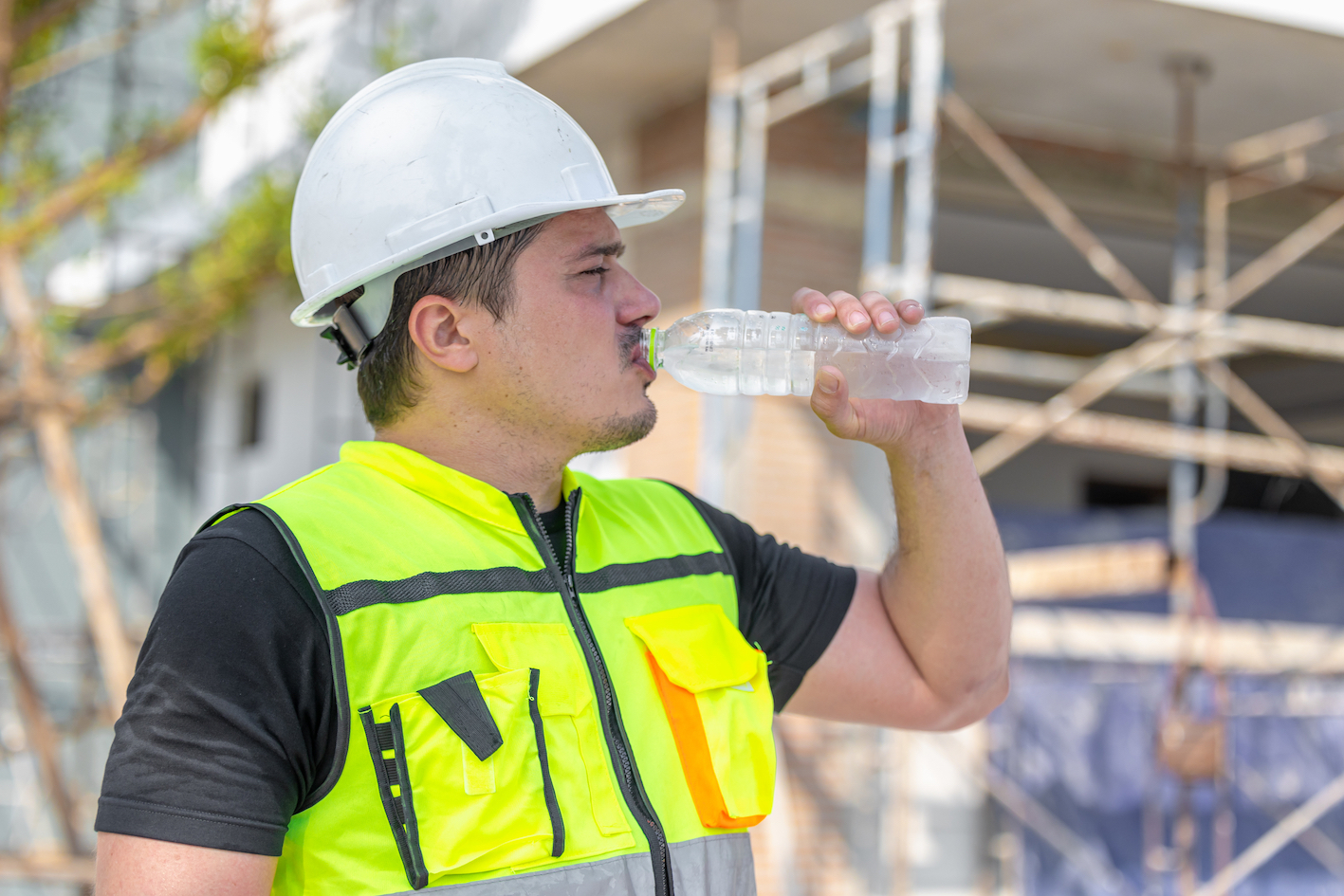
Extreme weather events, particularly record-breaking summer heatwaves, are becoming a recurring challenge for the UK construction sector. While wet weather traditionally dominates site delay conversations, high temperatures pose severe threats to worker health, material stability, and project timelines. Industry experts urge contractors to treat heat management with the same strategic priority as health and safety compliance, supply chain logistics, and rising material costs.
Modern digital tools offer concrete solutions for managing climate-related disruptions. Software that integrates real-time weather forecasting with digital site schedules allows project managers to adjust working hours dynamically, shifting labour-intensive tasks to cooler morning periods. Advanced site monitoring sensors can track local humidity and temperature levels, providing safety officers with immediate data to mandate hydrations breaks or halt high-risk activities before heat exhaustion occurs.
Beyond site safety, extreme heat impacts building materials. Mortar dries too rapidly, concrete curing rates change, and certain adhesives lose structural integrity during application in elevated temperatures. Deploying digital tracking tools helps site managers schedule material deliveries closer to application times, preventing expensive wastage caused by premature drying or heat exposure.
What does this mean for a UK tradesperson or DIYer actually buying this kit — does it change what they should pay, buy, or watch out for?
For self-employed tradespeople and small contractors, managing extreme heat impacts daily tool selection and gear investments. Lithium-ion battery packs are particularly vulnerable to thermal shutdown when left in direct sunlight or pushed hard in high ambient temperatures. Trades working outdoors should consider investing in high-capacity batteries with integrated thermal management systems or cooling vents, while keeping spare packs stored in insulated tool boxes.
Workwear buying habits must also shift. High-visibility clothing compliant with EN ISO 20471 is essential on commercial sites, but standard heavy polyester vests significantly exacerbate heat stress. Tradespeople should look for lightweight, moisture-wicking mesh high-vis garments and UV-protective lightweight work trousers available from major trade merchants. While specialised summer workwear carries a slight price premium, investing in proper cooling apparel prevents severe fatigue and lost working days during summer spikes.
Reported by Construction Management — original article
Price alerts on the kit you're watching, plus the deals our team files each day.
Create a free account