









































Discover how electrical contractors can prevent fire risks through strict compliance, regular testing, and clear client guidance.
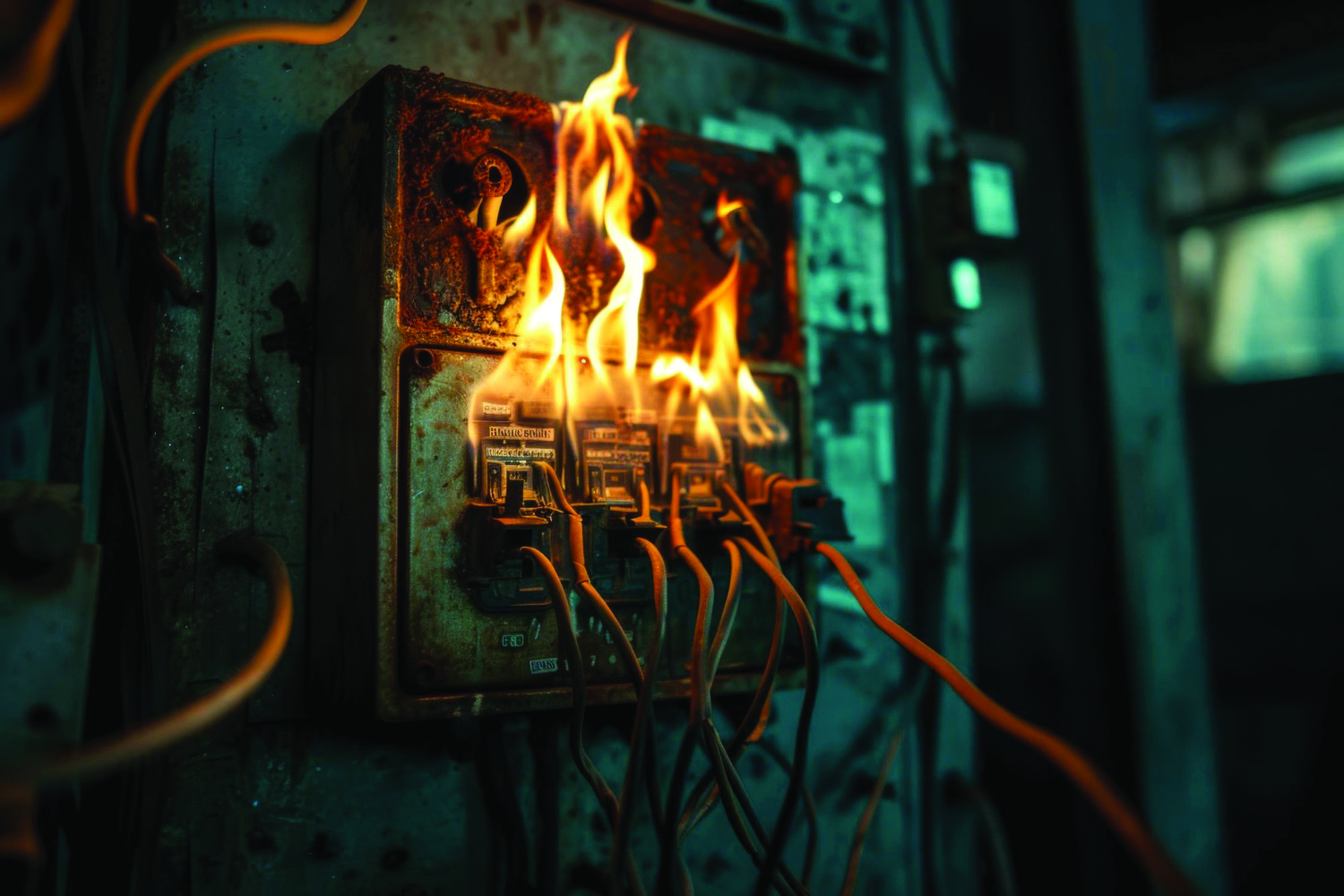
Electrical safety remains a paramount concern across residential, commercial, and industrial sites in the UK. Electrical contractors carry significant responsibility for mitigating fire hazards, a task that relies on rigorous standards before, during, and after a job is completed. Adhering strictly to current regulations, conducting meticulous testing, and maintaining clear communication with site owners are essential steps to ensure installations remain safe over the long term.
Preventing electrical fires starts with proper planning and selecting appropriate components for the specific environment. Installers must ensure that every connection is secure, consumer units meet modern fire safety standards, and circuits are correctly rated to prevent overheating. Following completion, thorough routine inspections and proper handover documentation help ensure that potential faults are caught long before they develop into serious risks.
What does this mean for a UK tradesperson or DIYer actually buying this kit — does it change what they should pay, buy, or watch out for?
For electricians and buyers sourcing materials at trade counters like Screwfix, Toolstation, or independent wholesalers, this focus on fire safety directly influences product selection. Tradespeople should prioritize buying non-combustible consumer units, properly rated circuit breakers, and certified fire-rated fixings or downlight covers. While opting for fully compliant, high-specification equipment may increase the initial invoice cost, cutting corners with unbranded or budget components exposes installers to severe liability and creates significant hazards. Buyers should inspect all gear for authentic UK/CE safety markings and ensure cable sizes and protection devices strictly match the intended load.
Beyond immediate installation, educating clients on regular testing and proper load management provides ongoing value. Ensuring customers understand the risks of overloading sockets or bypassing safety devices helps maintain a secure environment long after the contractor leaves the site.
Reported by Electrical Times — original article
Price alerts on the kit you're watching, plus the deals our team files each day.
Create a free account