








































Structural strengthening techniques allow commercial-to-residential conversions above retail units without direct foundation access.
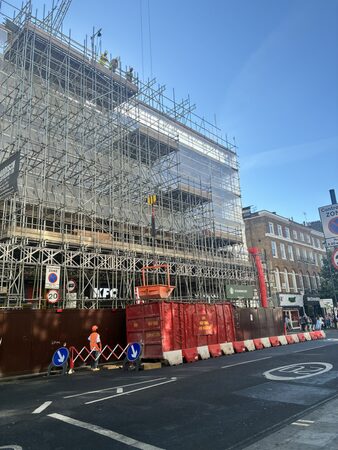
Converting existing commercial premises into residential units presents significant structural challenges, particularly when access to the ground floor or basement foundations is restricted by active retail outlets. On projects where ground-level operations cannot be interrupted, structural engineers are required to implement alternative load-bearing solutions that strengthen the frame from the upper floors upwards.
Rather than traditional underpinning, which demands direct ground excavation, recent projects such as the redevelopment above Baker Street retail units demonstrate how targeted structural interventions can redistribute increased building loads. This approach involves calculating additional dead and imposed loads from residential partition walls, utilities, and finishes, then introducing supplementary steelwork or carbon-fiber reinforcement directly to existing floor plates and columns.
For main contractors and structural trades working on commercial conversions, working around restricted lower-level access shifts the scope of work heavily toward upper-level structural modifications. Site teams must prepare for intensive steel insertion, precision drilling, and specialized retrofitting techniques carried out entirely within the internal envelope of the upper storeys.
Logistics also require careful management. Hoisting heavy structural sections into tight urban sites without blocking retail entrances or public footpaths means trades must rely on modular steel components or lighter, high-tensile materials that can be manually or mechanically retrofitted in confined spaces.
For joiners, builders, and sub-contractors taking on commercial-to-residential refurbishment jobs, this structural approach dictates the specific fixings, power tools, and materials required on site. Contractors will need to factor in high-specification structural steel fixings, heavy-duty SDS-max rotary hammers, chemical anchors, and specialized resin systems rather than standard masonry anchors. While access restriction avoids costly groundworks, trades should price jobs carefully to reflect the higher material costs of specialist anchors and structural resins, alongside the labor time required to manoeuvre heavy materials manually through upper-floor access points.
Reported by Construction Management — original article
Price alerts on the kit you're watching, plus the deals our team files each day.
Create a free account