









































Discover how 3D printing is transforming UK construction, from faster builds to sustainable homes. Explore new tools & skills for tradespeople.
The construction industry, often seen as a bastion of traditional methods, is currently experiencing a technological upheaval. At the forefront of this change is 3D printing, or additive manufacturing, a revolutionary approach that promises to fundamentally alter how we design, build, and inhabit structures across the UK. Far from being a futuristic pipedream, 3D printed homes, components, and infrastructure are becoming a tangible reality, offering solutions to challenges from housing shortages to sustainability goals.
For UK tradespeople, contractors, and DIY enthusiasts, understanding this shift isn't just about curiosity; it's about preparing for the future of work. What does 3D printing mean for your skillset, your tools, and the projects you'll undertake? Let's delve into how this incredible technology is building a new tomorrow, one layer at a time.
At its core, 3D printing in construction involves using large-scale robotic printers to deposit layers of material – typically a specialised concrete mix or polymer – to create a structure. Unlike traditional construction that involves assembling individual components, 3D printing builds objects from the ground up, layer by precise layer, directly from digital designs (CAD files).
There are two primary methods gaining traction:
The implications for efficiency and customisation are profound, leading to a new era for UK construction innovation.
The advantages of integrating 3D printing into construction are numerous and compelling:
Imagine building the walls of a house in a matter of days, not weeks. 3D printing significantly accelerates the construction timeline. Robotic systems can operate continuously, often 24/7, with minimal human supervision. This vastly reduces labour time and project duration, leading to faster occupancy and quicker returns on investment. This efficiency is a massive boost for addressing the UK's housing demand.
While the initial investment in equipment can be substantial, 3D printing has the potential to dramatically lower overall project costs. It reduces material waste (only printing what's needed), minimises labour costs, and can cut down on transportation expenses, especially for on-site printing. Over time, as the technology becomes more widespread, these savings will become even more pronounced.
Architects and designers are no longer constrained by the limitations of traditional construction methods. 3D printing allows for complex, organic, and highly customised designs that would be incredibly expensive or even impossible to achieve with conventional techniques. Curved walls, intricate textures, and integrated utilities can be printed seamlessly, opening up a world of aesthetic and functional possibilities.
Environmental concerns are paramount in modern construction. 3D printing excels here by optimising material use, leading to significantly less waste. Furthermore, it facilitates the use of recycled materials, local aggregates, and even bio-based composites, moving the industry closer to truly sustainable building practices. Reduced transportation needs also lower the carbon footprint of projects.
By automating hazardous and repetitive tasks, 3D printing can lead to a safer construction environment. Fewer workers are exposed to heavy machinery, working at heights, or handling dangerous materials, thereby reducing the risk of accidents and injuries.
Despite its immense promise, 3D printing in construction faces hurdles that need to be addressed for widespread adoption across the UK:
So, what does this mean for you, the electrician, the plumber, the carpenter, or the general builder? It doesn't mean your job is obsolete; it means your role will evolve.
“The future of construction isn't just about printing walls; it's about intelligently integrating traditional skills with new technologies to create more efficient, sustainable, and adaptable buildings.”
Here's how you can prepare:
Understanding digital design (CAD/BIM software) and basic robotics or machine operation will become increasingly valuable. Look for training courses in digital construction, automation, or even specific 3D printing software. Companies like DSIDE.co.uk can point you towards resources for new tools and equipment that support this digital transition.
While walls might be printed, the intricate work of installing electrical systems, plumbing, windows, doors, roofing, and interior finishes will still require skilled human hands. Your expertise in these areas will remain crucial. The emphasis might shift from structural building to precision installation and bespoke customisation.
Advanced machinery needs maintenance. Tradespeople with electrical, mechanical, and IT skills will be vital for keeping 3D printing equipment running smoothly on site.
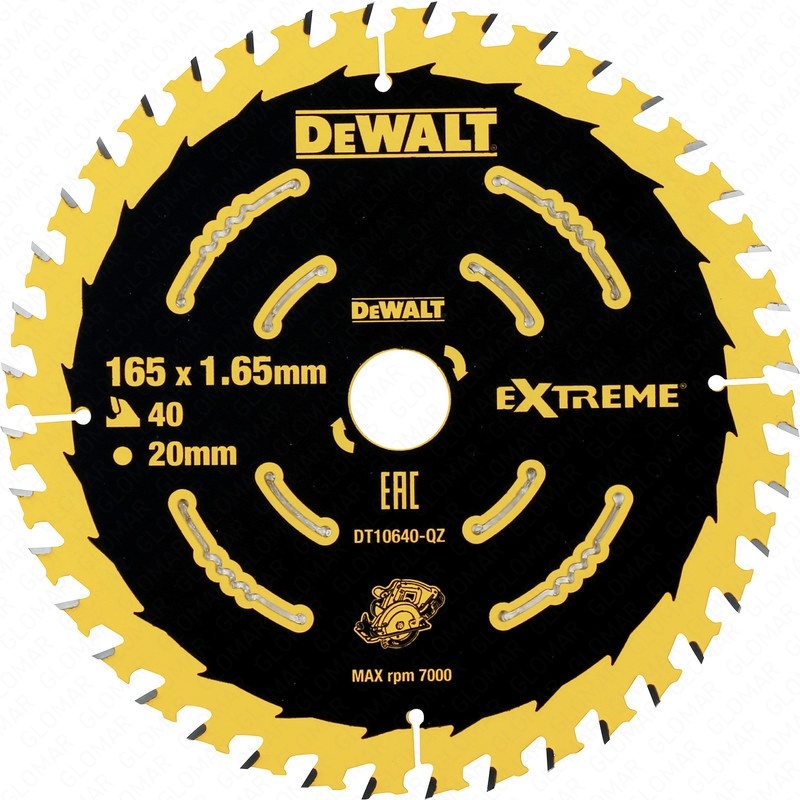
Even on a 3D-printed site, traditional power tools and hand tools will still be indispensable for site preparation, post-processing, and finishing work. Here’s a look at tools that will remain critical, and where DSIDE.co.uk can help you find the best deals:
Before you invest in any new tools or upgrade your existing kit, remember to compare prices on DSIDE.co.uk. We bring together deals from leading UK retailers, helping you find the best value on everything from a Bosch professional laser level to a powerful Milwaukee impact driver, ensuring your toolkit is future-ready without breaking the bank.
The next decade will see a rapid acceleration in the adoption of 3D printing in UK construction. We can expect to see:
The construction industry is on the brink of a monumental transformation. 3D printing isn't just a gimmick; it's a powerful tool that promises faster, cheaper, more sustainable, and infinitely more creative ways to build our world. By understanding its potential and adapting our skills and toolkits, we can all play a vital role in shaping this exciting future.
Price alerts on the kit you're reading about, plus the bargains our team files each day.
Create a free account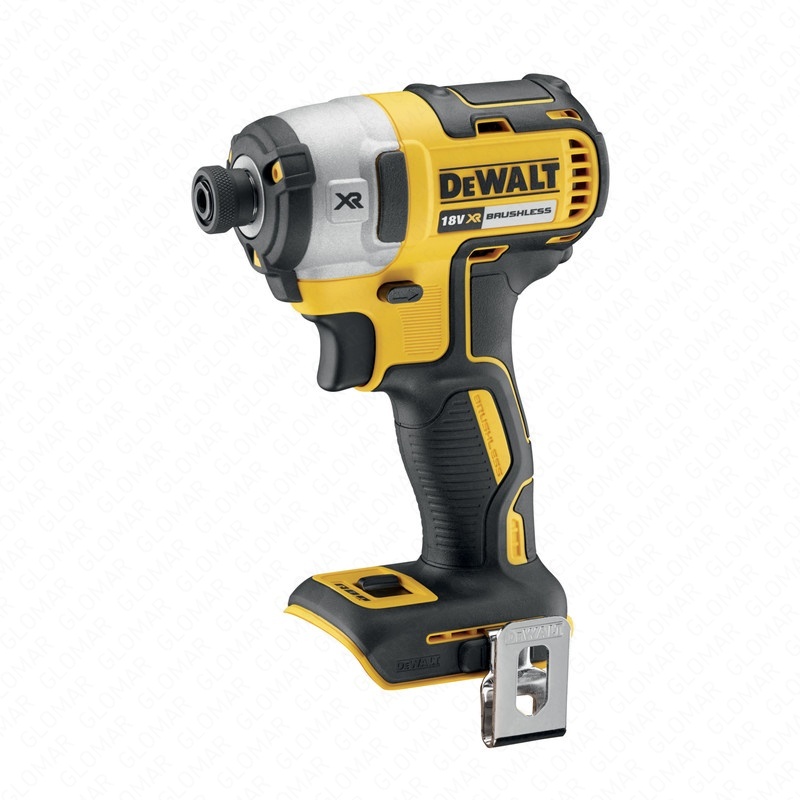

Comments (0)
No comments yet.