The hum of a cordless drill, the scent of freshly sawn timber, the satisfying thud of a new piece of hardware – these are familiar sensations for tradespeople and DIY enthusiasts across the UK. But behind the scenes, a quiet revolution is taking place. Sustainability, once a niche concern, is now a driving force in the UK hardware industry, shaping how tools are made, bought, used, and ultimately, disposed of.
At DSIDE.co.uk, we're passionate about helping you find the best tools at the best prices. But we also recognise the growing importance of making choices that benefit both your wallet and the planet. This article delves into the key sustainability trends transforming the UK hardware landscape, offering practical advice for navigating this evolving market.
The Green Shift: Why Sustainability Matters in Hardware
From the extraction of raw materials to manufacturing processes, energy consumption, and end-of-life disposal, the hardware industry has a significant environmental footprint. However, increasing awareness, stricter regulations, and consumer demand are pushing manufacturers and retailers towards more sustainable practices. This isn't just about 'going green'; it's about building resilience, reducing waste, and creating products that last longer and perform more efficiently.
Eco-Friendly Materials & Manufacturing
One of the most fundamental shifts is in the materials used and how products are made. Manufacturers are increasingly exploring:
- Recycled Content: Look for hand tools, storage solutions, and even tool bodies made from recycled plastics or metals. For instance, some tool cases or storage boxes from brands like Stanley or FatMax might incorporate recycled polymers.
- Sustainable Sourcing: For products like timber, garden tools with wooden handles, or workbenches, certifications like the Forest Stewardship Council (FSC) ensure that wood is sourced from responsibly managed forests. Always check for the FSC logo when buying timber or related products from retailers like Toolstation or Screwfix.
- Reduced Packaging: Many brands are cutting down on single-use plastics and opting for recyclable cardboard or minimal packaging. This might seem small, but collectively, it makes a huge difference to landfill waste.
Practical Tip: When shopping for hand tools or storage, check product descriptions for mentions of recycled materials or sustainable sourcing. Many retailers are starting to highlight these features.
The Cordless Revolution: Energy Efficiency & Longevity
The rise of cordless tools, powered by advanced lithium-ion batteries, is a major sustainability story. While batteries themselves present disposal challenges (more on that later), the technology brings significant environmental benefits:
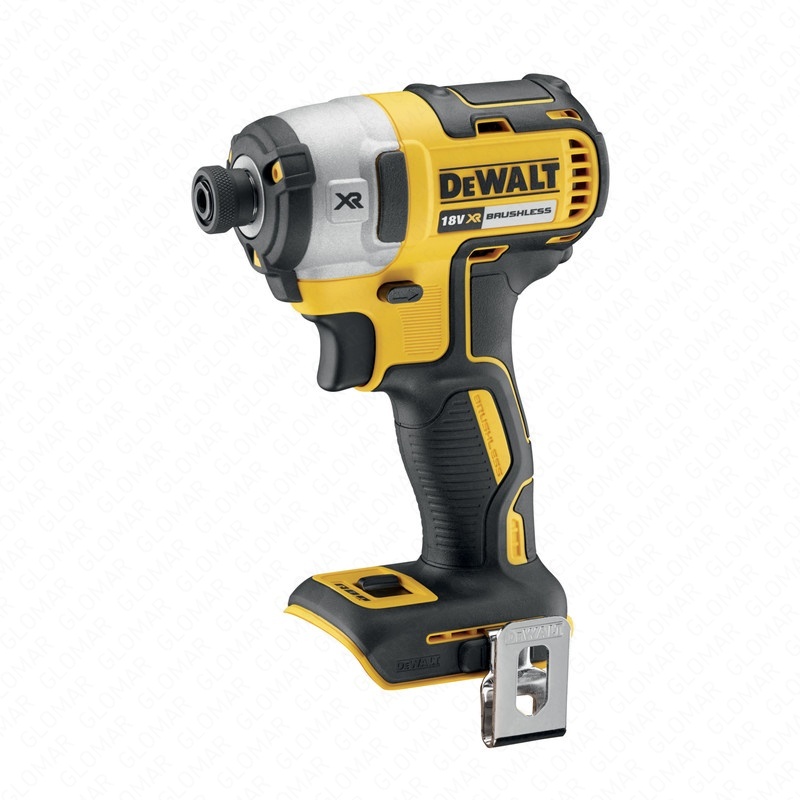
- Energy Efficiency: Modern brushless motors, found in premium tools from DeWalt (XR range), Makita (LXT), Bosch Professional (BITURBO), and Milwaukee (FUEL), are incredibly efficient. They waste less energy as heat, meaning longer run times per charge and less overall energy consumption. This translates to lower electricity bills and a reduced carbon footprint.
- Reduced Waste: Cordless tools eliminate the need for extension leads, reducing plastic and copper waste. They also offer greater flexibility, meaning one battery platform can power dozens of different tools, reducing the number of individual chargers and power cords needed.
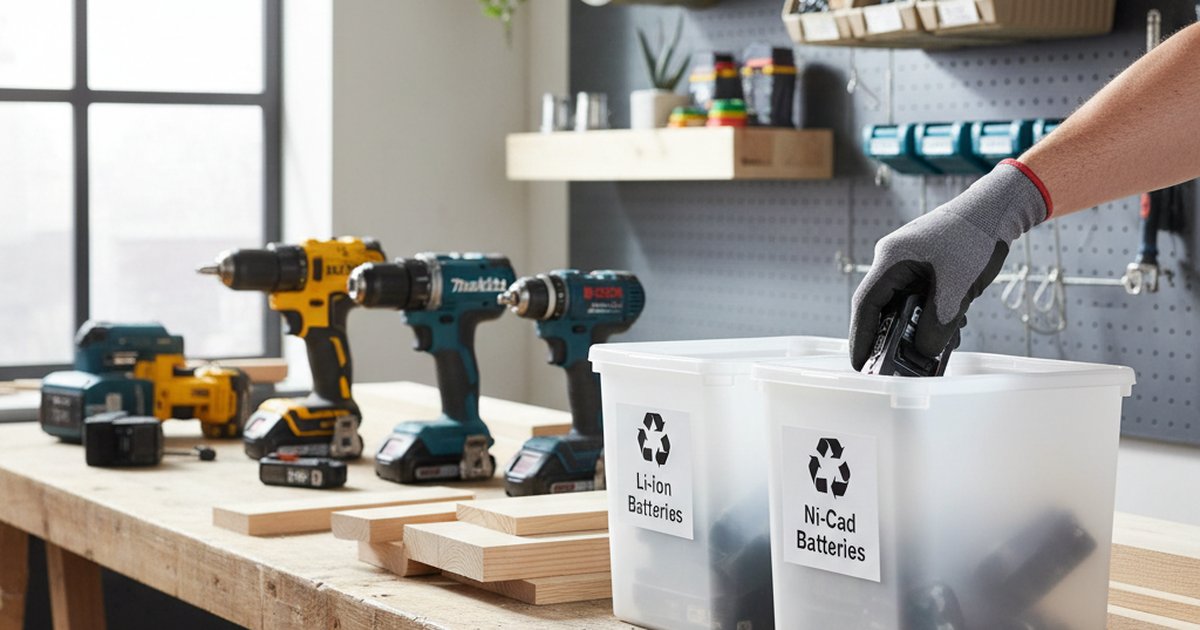
- Improved Battery Tech: While older Ni-Cad batteries had memory effects and shorter lifespans, modern Li-ion batteries offer hundreds of charge cycles and improved safety. Brands like Ryobi with their ONE+ system are leading the way in battery interchangeability across a wide range of tools.
Looking for a new cordless drill? You can find a Bosch Professional GSB 18V-55 Cordless Combi Drill (body only) for around £90-£120 on Amazon UK or Screwfix, or a DeWalt DCD796 XR Brushless Combi Drill at a similar price point. Comparing prices on DSIDE.co.uk can help you snag a great deal on these energy-efficient workhorses.
Durability, Repairability & Lifespan
The most sustainable product is often the one that lasts the longest. The 'throwaway' culture is being challenged by a focus on durability and repairability:
- Built to Last: Professional-grade tools from brands like DeWalt, Makita, Bosch, and Milwaukee are engineered for harsh working conditions and a long service life. Investing in a quality tool, though potentially costing more upfront (e.g., a Milwaukee M18 FUEL Angle Grinder might be £150+ for body only), often proves more sustainable than repeatedly replacing cheaper alternatives.
- Availability of Spare Parts: Many top manufacturers now ensure spare parts are readily available, allowing for repairs rather than full replacements. Checking a brand's stance on spare parts and repair manuals can be a good indicator of their commitment to longevity.
- Modular Design: Some tools are designed with modular components, making specific parts easier to replace or upgrade, further extending the tool's life.
Actionable Advice: Before buying, read reviews on tool durability. Consider the warranty period offered by manufacturers. A longer warranty often signifies confidence in the product's lifespan.
Waste Reduction & The Circular Economy
Beyond extending product life, the industry is also grappling with end-of-life solutions:
- Battery Recycling: This is crucial. Lithium-ion batteries should never go into general waste. Many UK retailers, including Screwfix and Toolstation, have battery recycling bins in-store. Local council recycling centres also offer facilities. Organisations like RecycleDevic focus specifically on recycling end-of-life battery packs.
- Tool Take-Back Schemes: Some manufacturers and retailers are exploring programmes to take back old tools for refurbishment, parts reclamation, or responsible recycling. Keep an eye out for these initiatives.
- The Rise of Rental & Second-hand: For tools used infrequently, renting is a highly sustainable option. Companies like HSS Hire or local independent hire shops offer a vast range. The second-hand market (e.g., eBay, Gumtree, local marketplaces) is also thriving, giving tools a second life.
Making sustainable choices doesn't mean sacrificing performance or breaking the bank. Here's how you can contribute:
- Invest in Quality: Where possible, buy durable tools from reputable brands. They last longer and perform better, reducing the need for replacements.
- Embrace Cordless (Responsibly): Choose modern cordless systems with efficient brushless motors. Always recycle your old batteries at designated points.
- Look for Certifications: When buying timber, garden furniture, or tools with wooden components, check for FSC certification.
- Prioritise Repair: Before replacing a broken tool, check if spare parts are available. Many repairs are surprisingly straightforward.
- Recycle Packaging: Dispose of tool packaging responsibly, opting for recycling where possible.
- Consider Tool Rental or Second-Hand: For specialist tools you'll only use once or twice, renting is smart. Buying second-hand gives tools a new lease of life.
- Research Brand Values: Some manufacturers openly publish their sustainability reports and initiatives. Supporting these brands encourages further progress.
Compare & Conquer with DSIDE.co.uk
The shift towards sustainability in the UK hardware industry is an exciting and vital development. As a consumer, your choices have power. By opting for more eco-conscious tools and practices, you contribute to a healthier planet and often, a more cost-effective way of working in the long run.
And remember, finding the best value on these sustainable options is easy with DSIDE.co.uk. Whether you're after the latest energy-efficient Bosch drill, a robust DeWalt power tool, or eco-friendly accessories, our comparison service helps you compare prices from leading UK retailers like Screwfix, Toolstation, and Amazon UK. Make informed, sustainable, and budget-friendly decisions with DSIDE.co.uk.










































Comments (0)
No comments yet.