







































Equip yourself like a pro. This guide details essential tools for UK electricians: hand tools, power drills, testing equipment, and top brands. Compare prices on DSIDE.co.uk.
For any professional electrician in the UK, a well-stocked and high-quality toolkit isn't just a convenience – it's an absolute necessity. The right tools ensure safety, improve efficiency, and ultimately lead to a higher standard of work and a reputation for reliability. Whether you're a seasoned veteran or just starting your apprenticeship, investing in the best electrical tools is paramount.
From precision hand tools to robust power equipment and critical safety gear, understanding what to include in your kit can feel daunting. That's why we've compiled this comprehensive guide to the essential tools every UK electrician needs. We'll explore top brands, discuss their uses, and give you an idea of typical costs, helping you build a professional toolkit that stands the test of time. Remember, when you're ready to invest, you can always compare prices on DSIDE.co.uk from leading UK retailers like Screwfix, Toolstation, and Amazon UK.
In electrical work, safety isn't just a priority; it's the foundation of everything you do. Proper testing and personal protective equipment (PPE) are non-negotiable for protecting yourself and others.
Your bread and butter for daily electrical tasks, insulated hand tools are designed to protect you from electrical shocks up to 1000V AC. Always look for VDE certification.
You'll need a comprehensive set of VDE-approved insulated screwdrivers covering various sizes and tip types (Pozidriv, Phillips, Flat). Brands like Wera, Wiha, and Knipex are renowned for their quality and durability. A good set can cost between £20 and £60, a worthwhile investment for safety and longevity.
A variety of pliers and cutters are essential:
Knipex is widely considered the gold standard for electrical pliers, offering superior quality and ergonomics. Expect to pay £20-£80 per pair for high-quality insulated options. Other reputable brands include CK Tools and NWS.
Clean, precise wire stripping is crucial for safe and effective connections. You might opt for manual strippers or automatic wire strippers for speed and consistency. For crimping terminals, a good quality crimping tool is a must. Again, Knipex and CK Tools offer excellent solutions. Prices range from £15 for basic strippers to £100+ for advanced automatic versions or high-quality crimping tools.
Modern electrical work often demands the efficiency and portability of cordless power tools. The 18V platform is dominant, offering a balance of power and battery life.
These are arguably the most used power tools for electricians. A cordless drill/driver is perfect for drilling holes (especially into wood with auger bits or for trunking/conduit fixings) and driving screws. An impact driver excels at driving longer, tougher screws with minimal effort. Top brands like DeWalt, Makita, Milwaukee, and Bosch offer robust 18V systems. You can often find body-only tools for £100-£300+, with starter kits (including batteries and charger) costing more.
For drilling into masonry, concrete, or even light demolition work, an SDS+ rotary hammer drill is indispensable. These powerful tools make quick work of what would be a struggle for a standard drill. Look to brands like Makita, DeWalt, and Milwaukee. Expect to pay £150-£400+ for a reliable cordless model.
A jigsaw is handy for cutting out access holes in plasterboard, cutting conduit, or shaping trunking. A cordless multi-tool (oscillating tool) is incredibly versatile for intricate cuts, sanding, and scraping in tight spaces. Bosch and DeWalt are strong contenders in this category, with prices typically ranging from £80-£200 for body-only units.
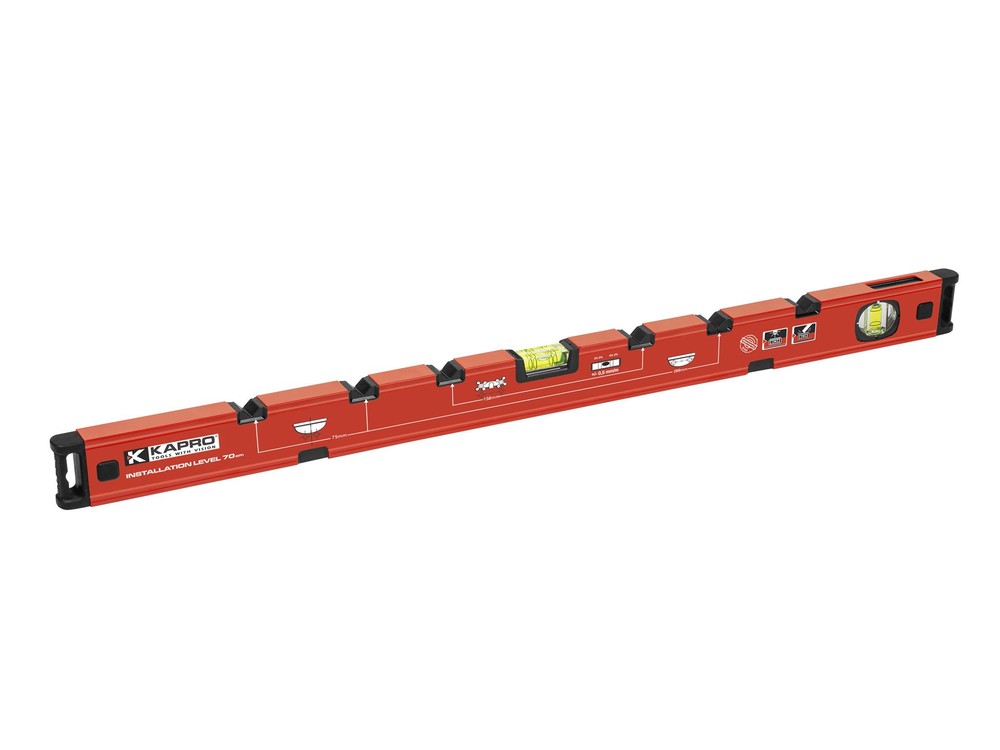
Accuracy is key in electrical installations. These tools ensure everything is plumb, level, and correctly measured.
A well-organised toolkit saves time, prevents lost tools, and protects your valuable investment. Efficiency on site often starts with quick access to the right tool.
Choosing reliable electrical tools isn't just about getting the job done; it's about ensuring safety, delivering quality, and building a reputation you can be proud of. While the initial outlay for quality tools might seem significant, their durability, reliability, and precision will save you time and money in the long run.
For UK electricians, popular retailers like Screwfix, Toolstation, and Amazon UK are excellent starting points. Specialist electrical wholesalers like CEF (City Electrical Factors) and Edmundson Electrical also offer a wide range of professional-grade equipment. The key to securing the best deal is always to compare prices.
That's where DSIDE.co.uk comes in! Before making any purchase, visit DSIDE.co.uk to easily compare prices across multiple UK retailers. This ensures you're getting the best value for your investment, allowing you to build your essential electrician toolkit without breaking the bank.
Once you've assembled your essential toolkit, proper maintenance is crucial. Keep your tools clean, especially after dusty jobs. Check insulated tools regularly for any damage to the insulation. Keep batteries charged and stored correctly. Regularly inspect power tool cables and plugs. A little care goes a long way in extending the life of your valuable equipment.
Building an essential toolkit for a UK electrician is an ongoing process, but starting with these core items provides a solid foundation for safe, efficient, and high-quality electrical work. Remember, for apprentices and those starting out, it's okay to build your kit gradually, prioritising safety and core hand tools first. Always opt for quality over cheap alternatives, especially when it comes to tools that protect your safety.
Ready to upgrade your kit or find those crucial missing pieces? Don't forget to visit DSIDE.co.uk to compare prices and ensure you get the best deals on all your professional electrical tools from the UK's top suppliers.
Price alerts on the kit you're reading about, plus the bargains our team files each day.
Create a free account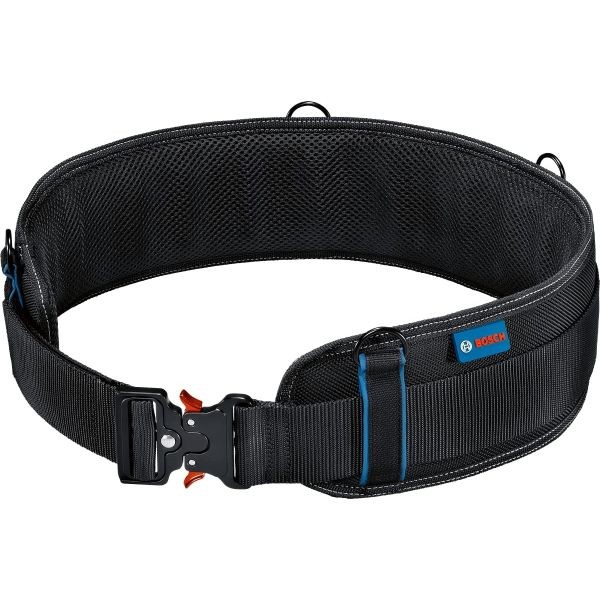
Comments (0)
No comments yet.