Scaling New Heights Safely: Your Guide to Working at Height in the UK
Working at height is an unavoidable part of many trades across the UK, from roofing and construction to painting, window cleaning, and even simple maintenance tasks. While essential, it also presents significant risks. According to the Health and Safety Executive (HSE), falls from height remain one of the biggest causes of workplace fatalities and major injuries in Great Britain. This isn't just a statistic; it represents lives changed forever.
At DSIDE.co.uk, we're dedicated to helping you find the best deals on the tools and hardware you need, but equally important is ensuring you use them safely. This comprehensive guide provides practical, actionable advice for working at height in the UK, adhering to regulations, and keeping you and your team safe. Let's climb safely!
Understanding the Law: Working at Height Regulations 2005
The core legislation governing work at height in the UK is the Working at Height Regulations 2005 (WAHR). These regulations place duties on employers and those who control any work at height activity to:
- Avoid work at height where it is reasonably practicable to do so.
- Where work at height cannot be avoided, prevent falls using either an existing place of work that is already safe or the most suitable equipment.
- Where the risk of a fall cannot be eliminated, minimise the distance and consequences of a fall by using appropriate equipment, such as fall arrest systems.
This hierarchy of control is crucial. Always prioritise collective protective measures (like scaffolding or guard rails) over personal protective measures (like harnesses).
Essential Principles for Safe Work at Height
1. Thorough Planning and Risk Assessment
Before any work begins, a comprehensive risk assessment is paramount. Ask yourself:
- What are the risks involved? (e.g., condition of the surface, weather, proximity to power lines).
- Who is at risk? (workers, public).
- What equipment is needed? Is it suitable and in good condition?
- Are workers competent and adequately trained for the task and equipment?
- How will an emergency or rescue be managed?
This planning stage should cover everything from the structural integrity of the working surface to the weather forecast. High winds or heavy rain can make even simple tasks treacherous.
2. Choose the Right Equipment for the Job
Using the wrong equipment is a common cause of accidents. Never improvise. Here’s a breakdown of common equipment and safety considerations:
Ladders and Stepladders
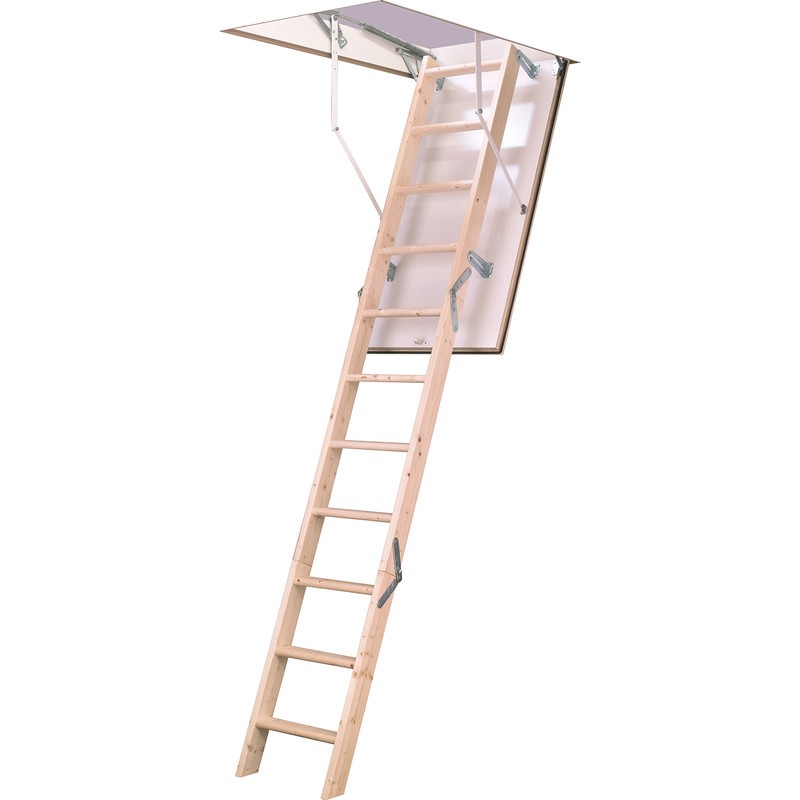
Ladders are often misused. They should only be used for light work of short duration (typically 30 minutes at a time). For tasks requiring longer periods or heavier tools, consider alternatives.
- Inspection: Always inspect ladders before use. Check for bent stiles, damaged rungs, cracked feet, or faulty locking mechanisms.
- Positioning: Ensure ladders are placed on a firm, level, non-slippery surface. Extend them at least 1m above the landing point if accessing another level. Maintain the 4-to-1 rule (for every 4 units of height, the base should be 1 unit away from the wall).
- Securing: Always secure ladders at the top and bottom. If this isn't possible, a foot should be holding the base.
- Maintain Three Points of Contact: Always have two feet and one hand, or two hands and one foot, on the ladder. Avoid overreaching.
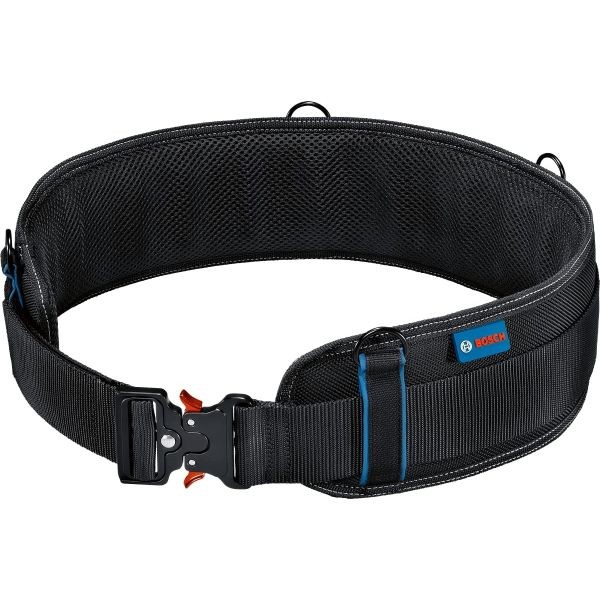
- Tools: Use a tool belt or specific tool holders to keep your hands free. For example, ensure your DeWalt impact driver or Makita drill is securely holstered.
You can find a wide range of ladders and stepladders from reputable brands at retailers like Screwfix or Toolstation, with prices for a good quality stepladder starting from around £50-£100.
Scaffolding and Tower Scaffolds
For more extensive work, scaffolding or tower scaffolds provide a stable, spacious, and safer platform.
- Competent Erection: Scaffolding should always be erected, altered, and dismantled by trained and competent individuals (e.g., those with a CISRS card).
- Inspection: Before each shift, a competent person must inspect the scaffolding. This includes checking foundations, bracing, guard rails, toe boards, and access.
- Mobile Tower Scaffolds: When using mobile tower scaffolds, ensure wheels are locked, outriggers are correctly deployed, and never move the tower with people or materials on it.
Hiring scaffolding can vary significantly, but a basic mobile tower scaffold might cost £150-£300 per week. Always check the supplier for safety certifications.
Mobile Elevating Work Platforms (MEWPs)
Cherry pickers, scissor lifts, and boom lifts (MEWPs) offer excellent stability and reach. However, specific training is legally required.
- Training: Operators must hold a valid IPAF (International Powered Access Federation) qualification.
- Pre-Use Checks: Conduct thorough pre-use checks on all controls, emergency stops, fluid levels, and structural integrity.
- Ground Conditions: Ensure the ground is level, stable, and can support the MEWP's weight.
- Harness Use: A full body harness and a short work restraint lanyard should be worn when working from a boom-type MEWP to prevent being ejected from the basket.
Fall Arrest and Fall Restraint Systems
When collective measures aren't feasible, personal fall protection equipment (PFPE) becomes vital.
- Fall Restraint: Prevents a worker from reaching a position where a fall could occur. This is always preferable to fall arrest.
- Fall Arrest: Designed to safely stop a fall once it has occurred, reducing the impact force on the body. This includes full body harnesses, lanyards, and anchor points.
- Harnesses: Ensure harnesses are correctly fitted and regularly inspected for wear and tear. A good quality safety harness from brands like JSP or Delta Plus might cost £70-£150.
- Lanyards: Should be appropriate for the type of work and fitted with shock absorbers for fall arrest.
- Anchor Points: Must be certified and capable of withstanding significant force (e.g., 6kN for fall arrest).
- Rescue Plan: Always have a clear rescue plan in place for anyone suspended after a fall.
3. Tool Tethering: Preventing Dropped Objects
It's not just about people falling; dropped tools can cause serious injury to those below. Tool tethering is a simple yet highly effective safety measure.
- Lanyards and Attachments: Secure tools with lanyards or tool tethers that attach to your belt, harness, or the working platform.
- Weight Limits: Ensure the tether system is rated for the weight of the tool.
- Common Tools: This applies to everything from your Bosch angle grinder, Milwaukee combi drill, or even your Ryobi impact driver.
Tool tethers are relatively inexpensive, typically ranging from £5-£20 each, and can be found at retailers like Screwfix, Toolstation, or Amazon UK.
4. Training and Competence are Non-Negotiable
The WAHR 2005 specifically states that work at height must only be carried out by people who are competent to do so. This means having the necessary skills, knowledge, and experience.
- Formal Training: Invest in accredited training courses for specific equipment (e.g., IPAF for MEWPs, PASMA for tower scaffolds).
- Refresher Training: Skills and regulations evolve; ensure regular refresher training.
- Supervision: Inexperienced workers must be adequately supervised by a competent person.
5. Site Management and Emergency Procedures
- Site Segregation: Erect barriers and signage to prevent unauthorised access to areas where work at height is occurring.
- Exclusion Zones: Establish clear exclusion zones below the work area to protect passers-by from dropped objects.
- Emergency Plan: Develop and communicate a clear emergency and rescue plan. This includes procedures for first aid, contacting emergency services, and safe retrieval of an injured worker.
Where to Source Your Safety Gear and Tools
For all your working at height safety equipment, from harnesses and lanyards to tool tethers and even the tools themselves, you have plenty of reliable options in the UK. Retailers like Screwfix, Toolstation, and Amazon UK offer extensive ranges. For example, you can find a robust Makita circular saw or a versatile Bosch cordless drill, alongside your essential PPE.
And remember, before you make any purchase, visit DSIDE.co.uk to compare prices across multiple UK retailers. Ensure you're getting the best deal on the safety equipment and tools that protect you and your livelihood.
Stay Vigilant, Stay Safe
Working at height carries inherent risks, but with diligent planning, the right equipment, proper training, and a constant awareness of your surroundings, those risks can be effectively managed. Never compromise on safety for the sake of speed or cost. Your life, and the lives of those around you, depend on it.
Stay safe out there, and happy trading!









































Comments (0)
No comments yet.