Embarking on a new woodworking project is exciting, whether you're building bespoke furniture, decking out your garden, or simply putting up some shelves. However, the foundation of any successful project lies in one crucial decision: choosing the right wood. With a vast array of options available in the UK, from sturdy hardwoods to versatile engineered boards, navigating the choices can feel overwhelming.
At DSIDE.co.uk, we know that getting your materials right is just as important as having the best tools. This comprehensive guide will walk you through the world of timber, helping you understand the characteristics, applications, and cost implications of different wood types, ensuring your next DIY venture is built to last.
Why Does Your Wood Choice Matter?
The type of wood you select directly impacts the durability, aesthetics, workability, and cost of your project. Using an unsuitable wood can lead to issues like warping, cracking, poor finish, or simply not holding up to its intended use. For instance, you wouldn't use a soft, untreated pine for an outdoor garden bench that needs to withstand the British weather, just as you wouldn't necessarily splurge on exotic hardwood for a simple utility shelf in the garage.
The Fundamentals: Softwood vs. Hardwood
The first major distinction in the timber world is between softwoods and hardwoods. This classification doesn't necessarily refer to the wood's physical hardness (though it often correlates) but rather to the type of tree it comes from.
Softwoods
- Origin: Come from conifers (evergreen trees with needles and cones), such as pine, spruce, and fir.
- Characteristics: Generally grow faster, making them more sustainable and less expensive. They are typically lighter in colour, less dense, and easier to work with using hand tools or power tools like a Ryobi circular saw.
- Uses: Ideal for structural framing, interior trim, budget furniture, and general construction where high resistance to impact or wear isn't critical.
- Pros: Cost-effective, easy to cut and nail, readily available.
- Cons: Less durable, prone to dents and scratches, often require treatment for outdoor use.
Hardwoods
- Origin: Come from deciduous trees (broad-leaved trees that shed leaves annually), such as oak, ash, beech, and walnut.
- Characteristics: Grow slower, making them denser, stronger, and more expensive. They offer superior durability, intricate grain patterns, and a richer finish. Working with hardwoods often requires more powerful tools, such as a robust DeWalt mitre saw or a high-torque Makita router.
- Uses: Premium furniture, flooring, cabinetry, decorative items, and applications requiring high strength and longevity.
- Pros: Highly durable, beautiful aesthetics, excellent resistance to wear and tear.
- Cons: More expensive, harder to work with, heavier.
Exploring Common Wood Types for UK Projects
Softwoods
-
Pine: The undisputed champion of budget-friendly timber. Available widely at retailers like Screwfix and Toolstation, pine is easy to work with and takes stains and paints well. Ideal for internal framing, shelving, and simple furniture. Expect prices from around £5-£15 per metre for planed timber.
Pro Tip: Look for 'Knot-free' or 'Clear Pine' for a cleaner finish, though it will cost a bit more. For outdoor use, ensure you buy pressure-treated pine, which offers enhanced resistance to rot and insects.
-
Spruce: Often used for construction timber (CLS timber) and fencing. It's similar to pine but can be slightly lighter in colour and has a less pronounced grain. Common for internal stud walls and basic garden structures. Priced similarly to pine, or slightly less for untreated rough sawn sections.
-
Fir (Douglas Fir): Stronger than pine or spruce, Douglas Fir is used for structural applications, decking, and some exterior cladding. It has a distinctive reddish-brown hue. More expensive than standard pine, typically £10-£25 per metre depending on size and grade.
Hardwoods
-
Oak: A classic choice for quality furniture, flooring, and joinery. Renowned for its strength, durability, and beautiful grain, oak is available in various forms from specialist timber merchants and sometimes larger DIY stores. It works wonderfully with a good quality sander from Bosch or Milwaukee for a smooth finish. Prices typically range from £30-£80+ per metre for solid sections, depending on grade and dimensions.
-
Ash: Known for its excellent strength-to-weight ratio and flexibility, ash is popular for tool handles, sports equipment, and modern furniture. It has a light, often creamy colour with an attractive open grain. Expect prices similar to the lower end of oak, around £25-£60 per metre.
-
Beech: A strong, hard, and durable wood with a fine, uniform grain and a pale, often pinkish hue. It's frequently used for furniture, flooring, and kitchenware due to its resistance to impact. Prices are comparable to ash.
-
Walnut: A premium hardwood prized for its rich, dark colour and stunning grain patterns. Ideal for high-end furniture, decorative accents, and luxury interiors. Walnut is considerably more expensive, often starting from £70-£150+ per metre, reflecting its beauty and rarity.
The World of Engineered Wood Products
Not all wood comes directly from a tree trunk. Engineered wood products are manufactured from wood fibres, veneers, or particles, bonded together with adhesives. They offer stability, consistency, and often cost-effectiveness, making them staples in many UK DIY projects.
Plywood
-
What it is: Layers of wood veneer glued together with alternating grain directions for strength and stability.
-
Types:
- Standard Plywood: General purpose, suitable for internal use like shelving, cabinet carcasses.
- Marine Plywood: Made with water-resistant glues and void-free cores, making it suitable for high-moisture environments and outdoor applications (though still benefits from treatment). Look for BS 1088 certified marine ply.
- Hardwood Plywood: Features hardwood veneers (e.g., birch, oak) for a finer finish and increased strength.
-
Uses: Furniture carcasses, subflooring, wall panelling, temporary structures. A good quality Milwaukee or DeWalt track saw makes precise, long cuts in plywood a breeze.
-
Price: A 12mm x 2440x1220mm (8x4ft) sheet of general-purpose plywood can range from £30-£60. Marine or hardwood plywood will be significantly more, often £80-£150+ per sheet from suppliers like Amazon UK or timber merchants.
MDF (Medium-Density Fibreboard)
-
What it is: Made from very fine wood fibres pressed together with resin under high pressure.
-
Characteristics: Extremely smooth surface, consistent density, no grain, easy to cut and shape. However, it's heavy and susceptible to water damage unless treated or moisture-resistant MDF is used.
-
Uses: Cabinet doors, skirting boards, architraves, painted furniture, speaker enclosures. For intricate cuts, a Bosch or Ryobi jigsaw is ideal.
-
Price: A 12mm x 2440x1220mm sheet is typically around £25-£45, making it one of the most cost-effective options from retailers like Screwfix or Toolstation.
OSB (Oriented Strand Board)
-
What it is: Large, thin strands of wood arranged in layers, oriented in specific directions, and bonded with resin.
-
Characteristics: Strong, cost-effective, and environmentally friendly due to its use of smaller, fast-growing trees. Has a distinctive flaky, textured appearance.
-
Uses: Sheathing for walls and roofs, subflooring, temporary hoardings, shed construction. Often used where aesthetics are less critical than strength and cost.
-
Price: A 11mm x 2440x1220mm sheet can be found for as little as £20-£35.
Matching Wood to Your Project: Practical Advice
-
Outdoor Furniture/Decking: You need durability and weather resistance. Pressure-treated softwood (pine, spruce), cedar, or more durable hardwoods like oak are good choices. For decking, look for specific decking boards, usually pressure-treated softwood or composite options. Always apply a good outdoor wood treatment or sealant.
-
Indoor Furniture/Cabinetry: Hardwoods like oak, ash, beech, or walnut offer beauty and longevity. For painted furniture or cabinet carcasses, MDF or good quality birch plywood are excellent, cost-effective alternatives.
-
Shelving: Pine is perfect for utility shelving. For visible, decorative shelves, choose a hardwood or a sanded, painted MDF for a smooth finish. Ensure the thickness is appropriate for the expected load to prevent sagging.
-
Structural Applications (e.g., stud walls, roof timbers): Strength and stability are paramount. Graded softwood (C16 or C24) is the standard.
-
Decorative Items/Fine Woodworking: Focus on grain, colour, and workability. Hardwoods like walnut, cherry, or even exotic timbers (ensure they are sustainably sourced) are ideal.
Beyond the Wood Type: Key Considerations
-
Moisture Content: Crucial for stability. Wood should be kiln-dried for internal projects to prevent warping and cracking. Check for the timber's moisture content if buying from a specialist merchant.
-
Grade: Timber is graded based on knot count, structural integrity, and appearance. Higher grades (e.g., Prime, Select) are clearer and more expensive. Structural timber will have specific grades like C16 or C24.
-
Sustainability: Look for FSC (Forest Stewardship Council) or PEFC (Programme for the Endorsement of Forest Certification) certified timber, ensuring it comes from responsibly managed forests.
-
Budget: Always factor in the cost of the wood. Sometimes, a combination of engineered wood (for hidden parts) and solid timber (for visible elements) can be a cost-effective solution without compromising quality.
Sourcing Your Timber in the UK
For convenience, DIY stores like Screwfix and Toolstation offer a good range of softwoods, MDF, and plywood. Amazon UK can be surprisingly useful for smaller quantities or specific hardwood planks. For specialist hardwoods, larger sheets of engineered wood, or bulk orders, visit local timber merchants or specialist online suppliers.
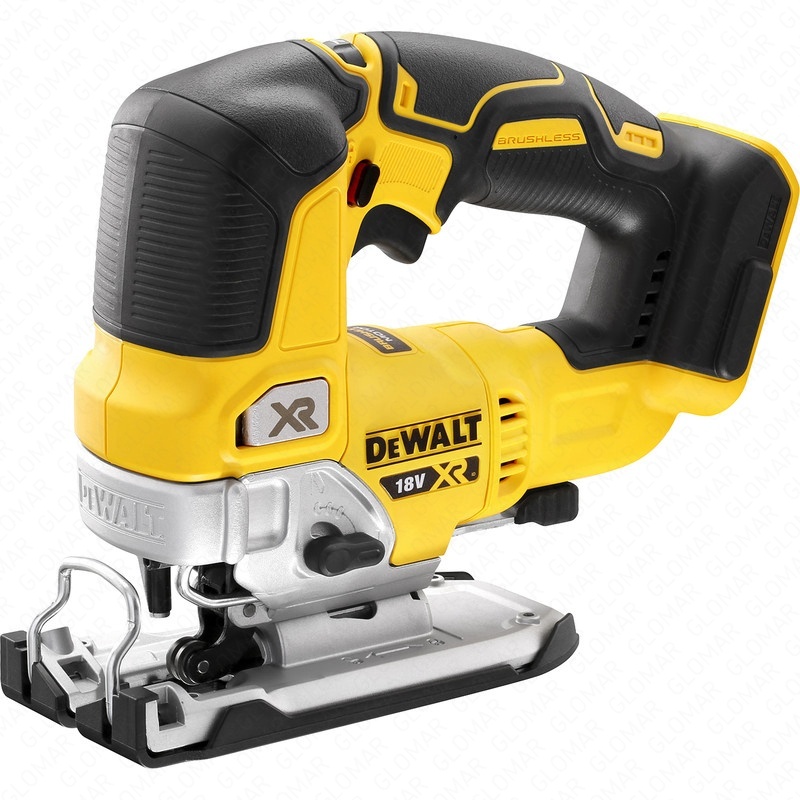
Having the right tools will make working with your chosen wood a much more enjoyable and successful experience. For cutting and shaping, consider investing in a good quality mitre saw (DeWalt DWS777 or Bosch GCM 8 SJL are popular choices), a powerful circular saw (Makita HS7601J), or a versatile jigsaw (Ryobi R18JS-0 ONE+). For sanding and finishing, an orbital sander from Milwaukee or Bosch will be invaluable. Remember, powerful drills like those from DeWalt or Milwaukee are essential for securing your joints, especially in hardwoods.
Conclusion
Choosing the right wood for your project is a critical step towards achieving a professional, durable, and satisfying result. By understanding the differences between softwoods, hardwoods, and engineered wood products, you can make informed decisions that align with your project's demands, aesthetic goals, and budget. From a sturdy oak bookshelf to a practical pine workbench, the perfect timber is out there waiting for your creative touch.
Ready to get started? Once you know what wood you need, remember to compare prices for all your essential tools and materials right here on DSIDE.co.uk. We help you find the best deals from top UK retailers, ensuring you’re always prepared for your next DIY adventure!










































Comments (0)
No comments yet.