Navigating the world of cordless power tools can feel a bit like learning a new language. You've got brush vs. brushless motors, impact drivers vs. combi drills, and perhaps the most common head-scratcher: battery voltage. Is 12V enough? Is 18V the sweet spot? Do I really need 36V or more?
If you've ever found yourself staring at two seemingly identical drills with different voltage ratings, wondering which one offers the best bang for your buck, you're in the right place. At DSIDE.co.uk, we're here to help UK DIY enthusiasts and tradespeople make informed choices. This buying guide will break down the ins and outs of 12V, 18V, and 36V+ tools, helping you choose the perfect power for your projects.
In simple terms, voltage (V) in a battery refers to its electrical potential difference – essentially, the 'push' or 'force' that drives the electricity. When it comes to power tools, higher voltage generally translates to:
- More Power: A higher voltage typically means the tool can deliver more torque and speed, allowing it to tackle tougher materials and larger fasteners with greater ease. Think of it like engine size in a car – more volts, more grunt.
- Greater Efficiency (often): While not always a direct correlation, higher voltage systems can often run more efficiently, especially when paired with modern brushless motors.
It's important to remember that voltage isn't the only factor determining a tool's performance. Amperage-hour (Ah) – which we'll touch on later – and the tool's motor design (brushed vs. brushless) also play crucial roles. But for now, let's focus on the big 'V'.
The 12V System: Compact Power for Everyday Tasks
Think of 12V tools as the nimble, lightweight sprinters of the cordless world. They're designed for precision, accessibility, and tasks where a heavier, more powerful tool would be overkill.
Who is it for?
- DIY Enthusiasts: Perfect for flat-pack furniture assembly, hanging pictures, light drilling into wood or plasterboard.
- Electricians & Plumbers: Their compact size is invaluable for working in tight spaces, under sinks, or inside cabinets.
- Tradespeople needing a secondary, lightweight option: Great for quick fixes or repetitive, less demanding tasks.
Pros:
- Lightweight & Compact: Significantly lighter and smaller than 18V or 36V tools, reducing fatigue during prolonged use and allowing access to confined areas.
- More Affordable: Generally, 12V tools and batteries come at a lower price point, making them an excellent entry into a cordless system.
- Excellent Ergonomics: Often designed with smaller grips, making them comfortable for users with smaller hands.
Cons:
- Limited Power: Struggle with heavy-duty drilling into masonry, driving large coach screws, or prolonged cutting tasks.
- Shorter Run-time (typically): Though high Ah 12V batteries exist, they generally offer less work per charge compared to their 18V counterparts.
- Smaller Tool Range: While growing, the range of available tools in 12V platforms is smaller than 18V.
Popular 12V Brands & Tools in the UK:
- Bosch Professional 12V: Offers an impressive range of compact drills, impact drivers, multi-tools, and even small saws. A Bosch Professional 12V combi drill kit (with battery and charger) might cost around £100-£150 from retailers like Screwfix or Toolstation.
- Milwaukee M12: Renowned for its robust, professional-grade 12V line, including heated jackets and pipe cutters, alongside standard power tools. An M12 impact driver body-only is often around £80-£120.
- DeWalt Xtreme 12V MAX: DeWalt's entry into the professional 12V market offers compact performance for trade use.
- Ryobi 12V (older system): While Ryobi's ONE+ (18V) is dominant, some legacy 12V tools may still be found.
DSIDE Tip: If your projects mostly involve assembling furniture, minor repairs, or light workshop tasks, a 12V system could be perfect and save you money! You can compare prices for 12V kits and bare tools on DSIDE.co.uk.
The 18V System: The Workhorse of the Workshop and Jobsite
The 18V platform is arguably the most popular and versatile choice for both serious DIYers and most tradespeople. It strikes an excellent balance between power, portability, and an expansive tool ecosystem.
Who is it for?
- General Builders & Carpenters: The go-to for drilling into timber, framing, deck building, and most construction tasks.
- Serious DIYers: For home renovations, garden projects, or anyone who needs reliable power for a wide range of tasks.
- Gardeners: Many cordless garden tools (trimmers, leaf blowers) now run on 18V batteries.
Pros:
- Exceptional Versatility: A vast array of tools from drills and saws to grinders, sanders, and even vacuum cleaners, all running on the same battery system.
- Excellent Power-to-Weight Ratio: Offers significantly more power than 12V without becoming overly cumbersome for most users.
- Longer Run-time: 18V batteries (especially 4.0Ah, 5.0Ah, or 6.0Ah) provide ample power for extended periods of work.
- Industry Standard: Most major tool brands have comprehensive 18V ranges, meaning more choice and competition.
Cons:
- Heavier & Bulkier: Noticeably heavier than 12V tools, which can lead to fatigue over long periods or in overhead work.
- More Expensive (than 12V): The initial investment in 18V tools and batteries is higher.
Popular 18V Brands & Tools in the UK:
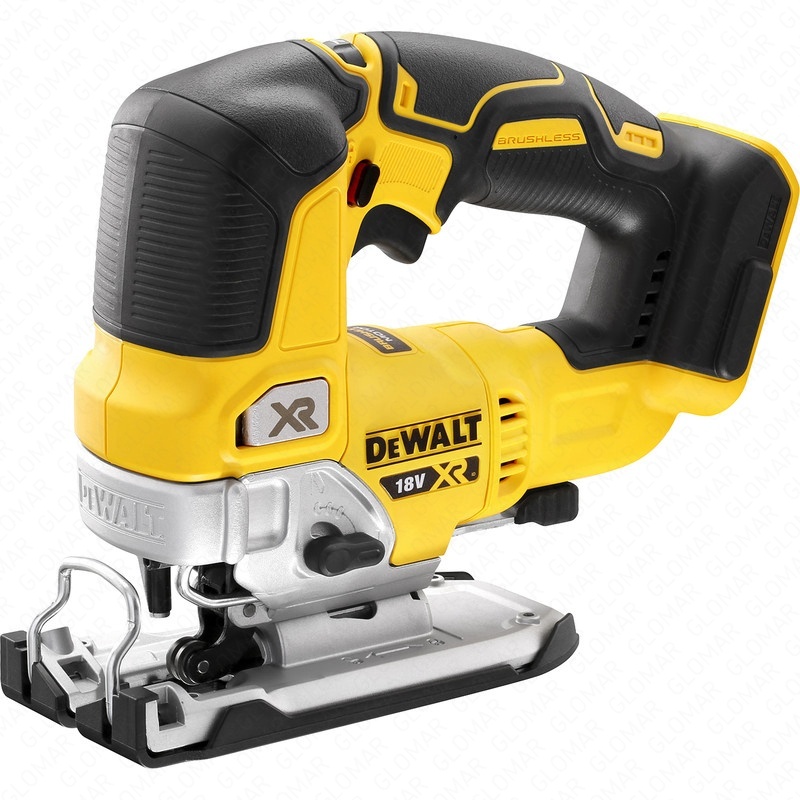
- DeWalt XR 18V: A ubiquitous sight on UK jobsites, known for robust, high-performance tools. An 18V combi drill kit with two 5.0Ah batteries can range from £200-£350 at retailers like Toolstation, FFX, or Amazon UK.
- Makita LXT 18V: Another industry leader, offering an incredibly broad range of tools, known for reliability and ergonomics.
- Milwaukee M18: Part of the M12/M18 ecosystem, offering powerful and innovative tools for various trades.
- Bosch Professional 18V: A strong contender with quality tools, often praised for their robust build and battery technology.
- Ryobi ONE+: A fantastic option for DIYers, offering an unparalleled range of over 200 tools all on one 18V battery platform, often more budget-friendly. A starter kit with a drill, battery, and charger can be found for around £100-£150.
- Einhell Power X-Change: A rapidly growing system popular in the UK for its affordability and diverse range of 18V tools, including garden equipment.
DSIDE Tip: If you're looking to build a comprehensive tool collection that can handle most household, workshop, and light trade tasks, the 18V system is usually your best bet. Remember to check DSIDE.co.uk for the best deals on 18V starter kits and bare tools!
The 36V+ Systems: Unleashing Maximum Power (and New Innovations)
When 18V isn't quite enough, or you're looking to power truly heavy-duty equipment traditionally reserved for corded or petrol engines, 36V and higher voltage systems step in. These are the heavy hitters, designed for maximum performance and extended run-time.
How do they work?
There are generally two approaches to achieving this higher power:
- Dedicated High-Voltage Platforms: Brands like Makita XGT (40V Max) and Greenworks (40V, 60V) have developed entirely new battery platforms specifically designed for higher voltage.
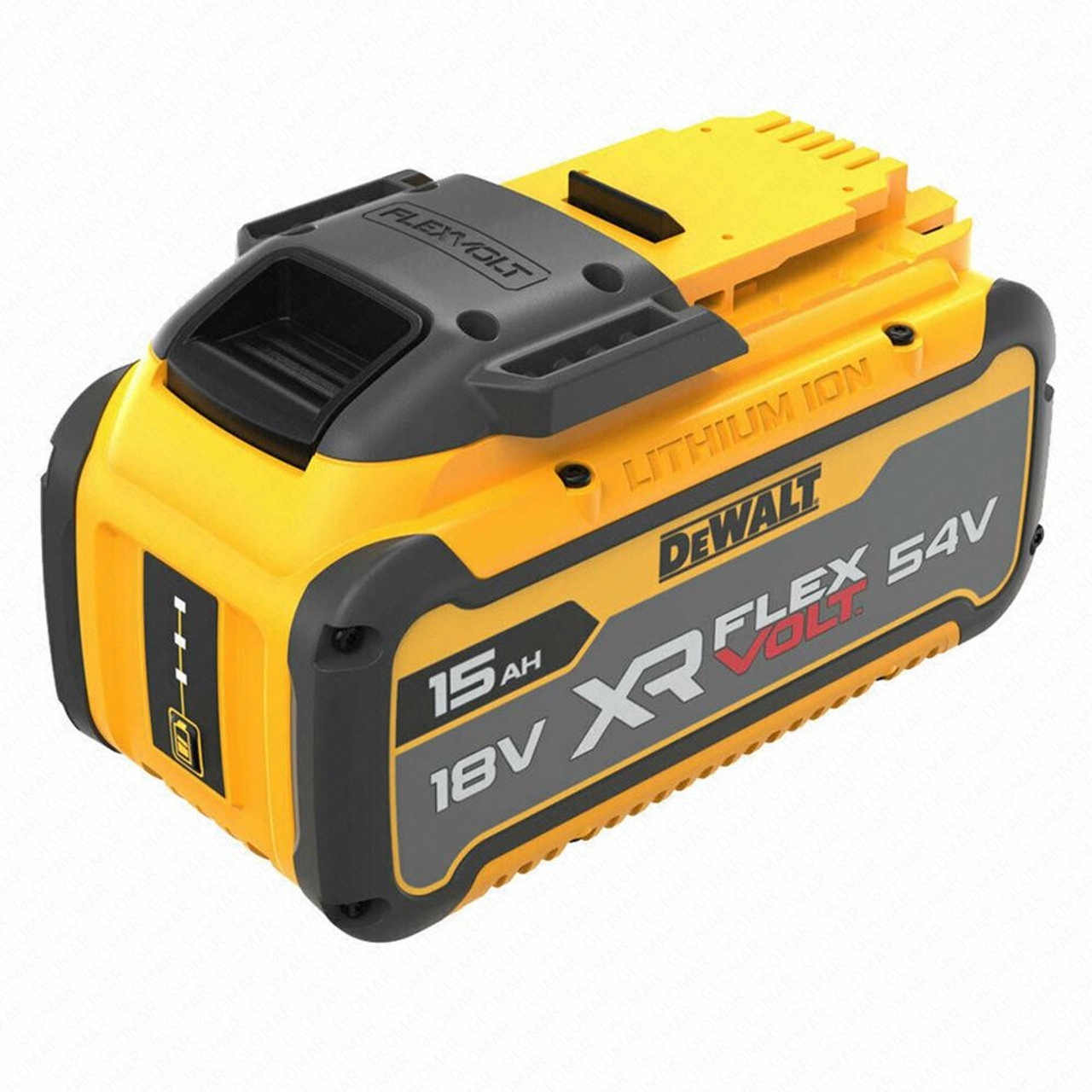
- Stacked/Switchable Systems: DeWalt FlexVolt is a prime example. Its 54V batteries are essentially 18V batteries wired in series. When inserted into a 54V FlexVolt tool, it delivers 54V. When inserted into an 18V XR tool, it automatically switches to 18V, offering extended run-time.
- Advanced 18V with Enhanced Performance: Bosch's BiTurbo range demonstrates how advanced brushless motors and battery technology can push 18V tools to deliver performance comparable to higher voltage systems, especially in applications like cutting and grinding.
Who is it for?
- Heavy-Duty Construction: Demolition, concrete drilling, large-scale cutting.
- Professional Landscapers & Arborists: Cordless chainsaws, brush cutters, and large leaf blowers.
- Industrial Applications: Where maximum power and run-time are critical.
- Tradespeople wanting to replace corded tools: Especially for tools like circular saws, angle grinders, and SDS Max breakers.
Pros:
- Maximum Power & Torque: Rivals corded tools and outclasses 18V for demanding applications.
- Extended Run-time (for heavy-duty tasks): Designed to power energy-intensive tools for longer.
- Corded-Equivalent Performance: Allows true cordless freedom for previously corded-only tasks.
Cons:
- Heaviest & Bulkiest: These tools and their batteries are significantly heavier, limiting portability and increasing fatigue.
- Most Expensive: The cutting-edge technology and power come at a premium price.
- Overkill for Most: For the average DIYer or even many trades, this level of power is unnecessary.
Popular 36V+ Brands & Tools in the UK:
- DeWalt FlexVolt (54V): Excellent for heavy-duty saws, grinders, and larger garden equipment, with the added benefit of being compatible with 18V XR tools. A FlexVolt circular saw body-only might be £200-£300.
- Makita XGT (40V Max): Makita's dedicated high-power system for demanding trade applications, offering enhanced digital communication between tool and battery.
- Bosch BiTurbo (18V platform, 36V performance): While still 18V, these tools are engineered to deliver 36V-like performance, often using high-capacity ProCORE18V batteries.
- Greenworks 40V/60V: Very popular for cordless garden machinery (mowers, chainsaws, pressure washers) offering strong petrol-free alternatives.
DSIDE Tip: Unless you're a professional undertaking very demanding tasks, or you specifically want to replace heavy-duty corded tools, a 36V+ system might be more than you need. But if you do, compare prices carefully on DSIDE.co.uk to find the best value!
Choosing the Right Voltage for You: Key Considerations
Ultimately, the 'best' voltage depends entirely on your specific needs. Here's a quick checklist:
-
Your Projects & Usage Frequency:
- Light DIY (once a month): 12V is probably sufficient.
- Regular DIY / Handyman / Light Trade: 18V offers the best all-round versatility.
- Heavy Trade / Construction / Professional Landscaping: Consider 18V for most tasks and invest in 36V+ for specific heavy-duty applications.
-
Tool Ecosystem & Compatibility: Once you buy into a brand's battery system (e.g., DeWalt 18V XR, Makita 18V LXT, Ryobi ONE+), you're typically locked into that voltage for future tool purchases. Choose a platform that offers the range of tools you anticipate needing.
-
Weight & Ergonomics: Hold the tools in a shop if possible. A heavier tool can cause significant fatigue over an hour of use, especially overhead.
-
Budget: Be realistic about your spending. Remember to factor in the cost of batteries and chargers, as these are often sold separately as 'body-only' tools.
Don't Forget the Amperage-hour (Ah)!
While voltage dictates power, Amperage-hour (Ah) dictates run-time. A 12V 4.0Ah battery will run a 12V tool for longer than a 12V 2.0Ah battery. Similarly, an 18V 5.0Ah battery will power an 18V tool for considerably longer than an 18V 2.0Ah battery. For demanding tasks, always opt for higher Ah batteries (e.g., 4.0Ah, 5.0Ah, or even 9.0Ah+ for high-voltage tools) to minimise downtime.
Conclusion: Power Up Your Projects the Smart Way
The choice between 12V, 18V, and 36V+ tools doesn't have to be daunting. By understanding your own needs, the types of projects you undertake, and the benefits each voltage system offers, you can make an informed decision that will serve you well for years to come.
Whether you're after a compact 12V drill for intricate work or a mighty 36V saw to tackle the toughest timber, remember that the best place to find competitive prices from leading UK retailers is right here on DSIDE.co.uk. Start comparing today and power up your toolkit for less!








































Comments (0)
No comments yet.