








































Discover the most frequent plumbing errors DIYers and tradespeople make in the UK, from faulty connections to tool misuse. Learn how to prevent leaks and save money.
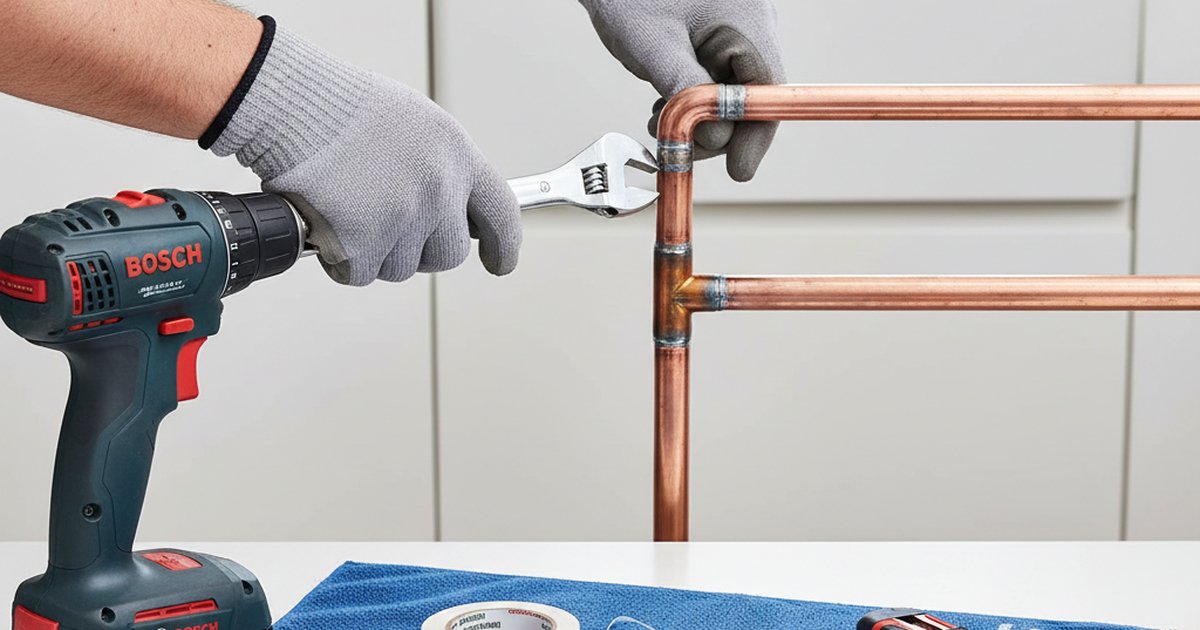
Plumbing can be one of the most rewarding home improvement or trade skills, offering immense satisfaction when you fix a leaky tap, install a new washing machine, or even completely re-route pipework. However, it's also an area where mistakes can be incredibly costly, leading to water damage, structural issues, and frustrating repeat jobs. For both seasoned DIY enthusiasts and new tradespeople across the UK, understanding common plumbing pitfalls is the first step to avoiding them.
At DSIDE.co.uk, we know the importance of getting the job done right the first time. That's why we've compiled this comprehensive guide to the most frequent plumbing mistakes and, more importantly, how you can prevent them. Grab your tools (or get ready to compare prices for them on DSIDE.co.uk!), and let's dive in.
This might seem obvious, but it's a mistake even experienced individuals can make in a rush or when confident it's a 'minor' job. Forgetting to turn off the main stopcock (or isolation valve for a specific appliance) before attempting any work on your water system is a recipe for disaster. What starts as a small drip can quickly escalate into a flood, causing significant water damage to floors, ceilings, and electrical systems.
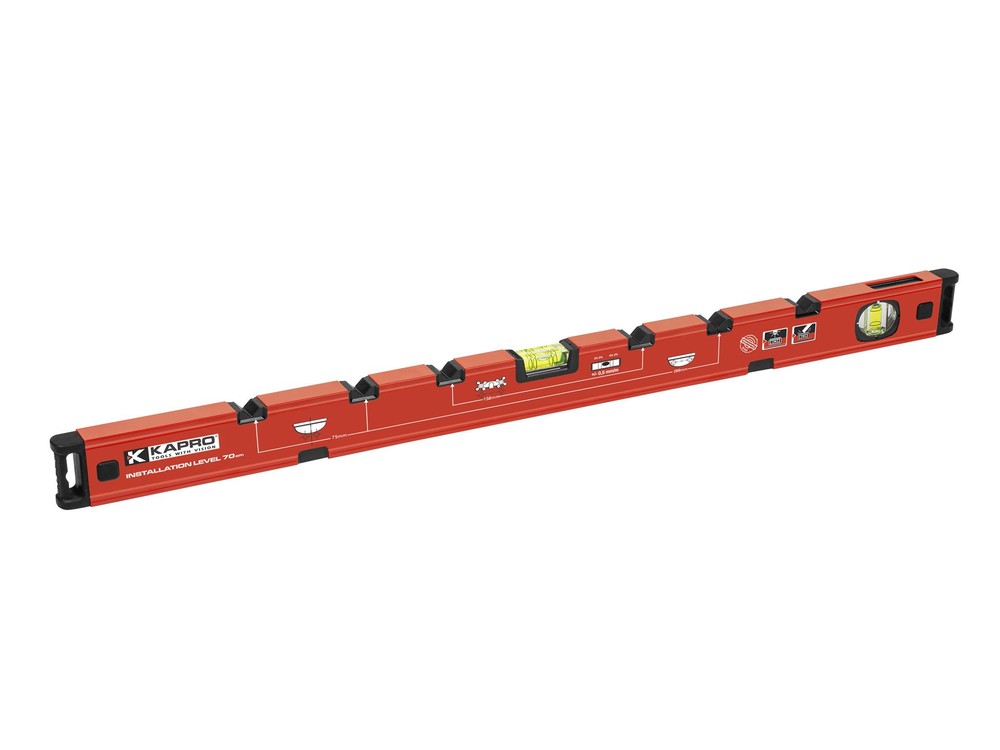
Another common misstep is underestimating the need for precise measurements and a clear plan. 'Eyeballing' pipe lengths or assuming fittings will just 'fit' often leads to wasted materials, weak joints, and unsightly pipework.
Whether you're dealing with compression fittings or screw-on connections, getting the tension right is critical. Undertightening leads to drips, while overtightening can strip threads, crack fittings, or deform olives, resulting in irreparable leaks.
PTFE (polytetrafluoroethylene) tape and pipe jointing compound are your best friends for creating watertight threaded connections, but only if used correctly.
Soldering copper pipes requires skill, but common mistakes include insufficient cleaning, incorrect flux application, or improper heating. With push-fit fittings (like those from Speedfit or Polypipe), the mistake is often not pushing the pipe fully home or not deburring the pipe end.
Gravity is your friend in drainage. If waste pipes don't have an adequate slope (or 'fall'), water and waste won't drain effectively, leading to blockages and standing water.
Mixing different types of plastic (e.g., solvent weld with push-fit intended for hot water) or using fittings not designed for the specific application can cause leaks or structural failures in your drainage system.
While convenient, chemical drain unblockers can be harsh on pipes (especially older ones) and the environment. They often don't fully clear blockages and can create dangerous fumes.
Trying to make do with a screwdriver instead of a chisel, or an old pair of pliers instead of an adjustable spanner, is a common error that leads to damaged fittings, stripped screw heads, and injury.
Rusty spanners, dull pipe cutters, or an uncharged power tool battery can turn a straightforward job into a nightmare. Poorly maintained tools are less effective and can even be dangerous.
Top Tip: Get the Right Tools at the Best Price!
Before you embark on your next plumbing project, ensure you have the correct tools for the job. From robust DeWalt drills for precise installations to specialist Rothenberger pipe cutters for clean cuts, having the right equipment makes all the difference. Don't overpay! Compare prices for all your plumbing tools and hardware on DSIDE.co.uk. We bring together deals from leading UK retailers like Screwfix, Toolstation, Amazon UK, and many more, helping you get the best value for your money.
While DIY plumbing can save money and build skills, there are times when trying to tackle a job beyond your expertise can be the biggest mistake of all. Complex boiler repairs, gas appliance installations, major system re-routes, or persistent leaks you can't identify are best left to a qualified professional.
Avoiding common plumbing mistakes boils down to preparation, precision, using the right tools, and knowing when to seek expert help. By following these practical tips, you'll not only save money and prevent potential disasters but also gain the confidence to tackle a wider range of plumbing tasks.
Remember, quality tools are an investment in preventing future problems. For all your plumbing needs, from a basic adjustable spanner to a powerful Milwaukee impact driver, make sure you compare prices on DSIDE.co.uk before you buy. Happy plumbing!
Price alerts on the kit you're reading about, plus the bargains our team files each day.
Create a free account
Comments (0)
No comments yet.