









































PHPI Online explores how underfloor heating manifolds optimize hydronic performance, flow control, and system efficiency for UK plumbing installations.
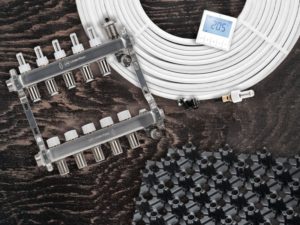
Underfloor heating (UFH) installations require precise fluid dynamics to deliver consistent heat output across multiple zones. Writing for PHPI Online, Sam White of RWC highlights how the manifold acts as the central hub of any wet underfloor heating system. Beyond serving as a simple distribution point, a correctly specified manifold regulates water flow rates, manages system pressure, and integrates critical safety controls such as mixing valves and balancing flow meters.
As demand for low-temperature heating circuits grows—driven by the wider adoption of heat pumps and modern condensing boilers—the precision of flow distribution becomes critical. Manifolds allow installers to balance individual pipe loops of varying lengths, preventing issues like localized cold spots or uneven floor temperatures that frequently trigger customer callbacks.
What does this mean for a UK tradesperson or DIYer actually buying this kit — does it change what they should pay, buy, or watch out for?
For heating engineers and plumbers sourcing gear from merchants like Screwfix, Toolstation, or specialized plumbing suppliers, this focus on manifold precision highlights the need to move away from entry-level, un-metered distribution manifolds. Buying complete manifold packs that feature built-in, sight-glass flow meters, mechanical isolation valves, and pre-wired pump blending units adds upfront material cost but significantly reduces commissioning time on site.
Installers should also re-evaluate their tooling kit. Properly setting up modern UFH manifolds requires dedicated tools, including calibrated pipe cutters, de-burring and reaming tools specific to PEX-AL-PEX or polybutylene pipework, and reliable digital pressure-testing gauges. Investing in high-grade pipe crimpers and dedicated manifold mounting brackets ensures a leak-free installation that complies with domestic heating standards and prevents costly remedial work.
Proper commissioning at the manifold interface ensures that low-temperature hydronic systems operate at peak seasonal efficiency. By correctly setting the flow rates per loop during installation, heating professionals can deliver reliable, energy-efficient comfort to homeowners while protecting heating components from premature wear.
Reported by PHPI Online — original article
Price alerts on the kit you're watching, plus the deals our team files each day.
Create a free account