
































UL Solutions highlights the role of third-party certification in creating traceable fire safety documentation for UK retrofit and refurbishment works.
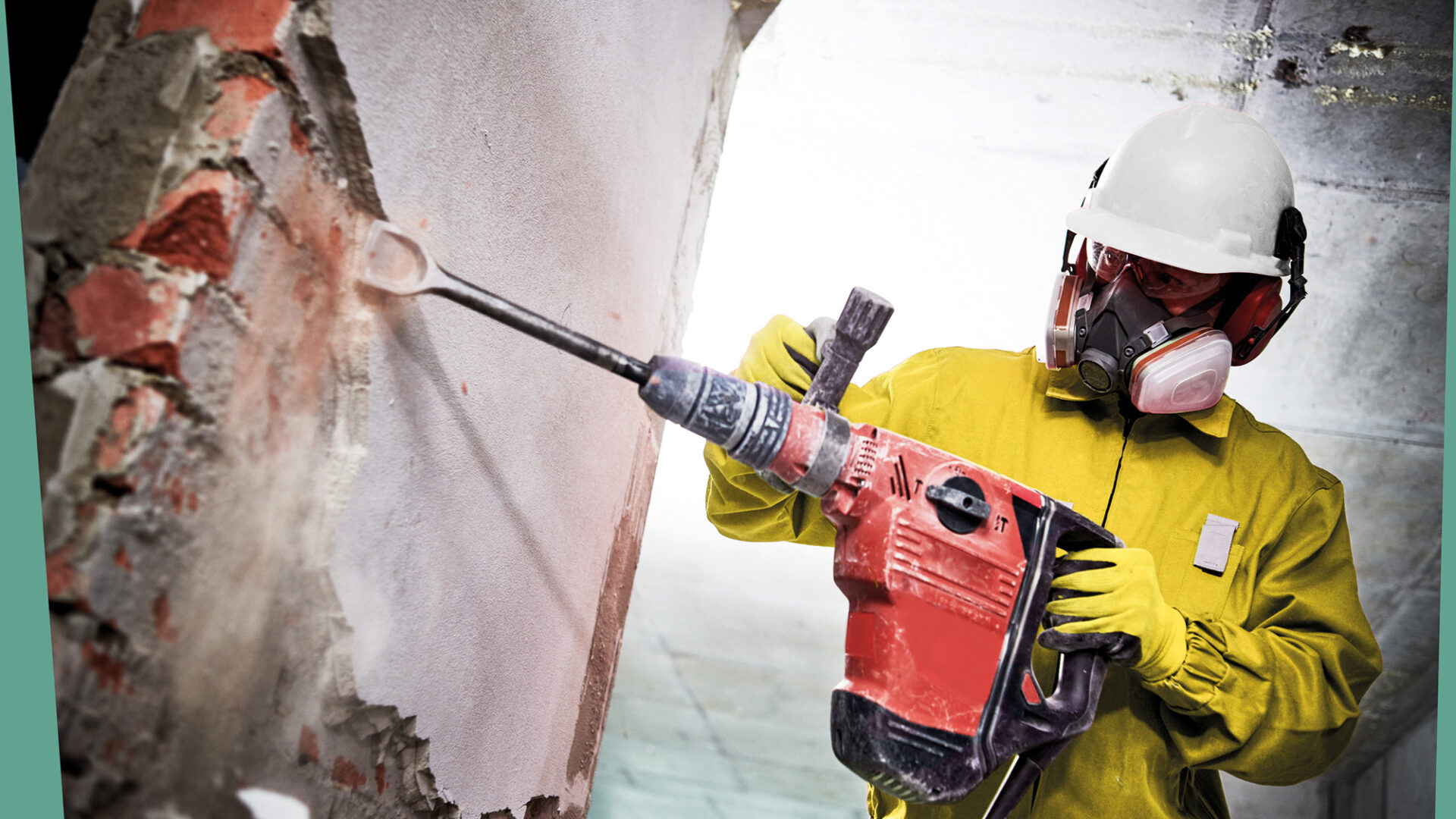
As the UK construction sector faces tighter scrutiny over structural and fire safety, safety science organisation UL Solutions has highlighted the critical role of third-party certification in retrofit and refurbishment projects. Ensuring that building materials and installed systems meet stringent standards is becoming a central requirement for contractors navigating updated building regulations.
Refurbishment projects often present complex challenges, as legacy building components must integrate seamlessly with modern materials. Independent testing and third-party certification provide verified proof of performance, ensuring that fire-stopping products, insulation, and structural elements deliver the protection promised on their datasheets. This independent verification helps establish an unbroken chain of traceable documentation across a building's lifecycle.
For main contractors and specialist trades, relying solely on manufacturer self-declaration carries increasing risk. Third-party certification involves ongoing auditing of production processes and regular product testing, rather than a single initial test. This process ensures that materials delivered to site consistently match the performance levels recorded during safety assessments.
With legislative frameworks demanding clearer accountability and transparent safety records, documented proof of material compliance is essential. Independent validation protects both the building occupants and the contractors responsible for installation.
What does this mean for a UK tradesperson or DIYer actually buying this kit — does it change what they should pay, buy, or watch out for?
For electricians, plumbers, and general builders purchasing fire collars, sealants, or passive fire protection from merchants like Screwfix, Toolstation, or Travis Perkins, this shift changes what documentation you must request and keep. While third-party certified products may carry a slight price premium over uncertified alternatives, buying certified kit protects you from liability if work is inspected under strict building controls. Tradespeople should look for recognised certification marks on packaging and retain batch numbers and technical datasheets for their job files, ensuring full traceability for every installation.
Reported by Construction Management — original article
Price alerts on the kit you're watching, plus the deals our team files each day.
Create a free account