




























Essential installation and maintenance advice for safety relief valves, helping UK plumbers ensure compliance and avoid costly system discharges.
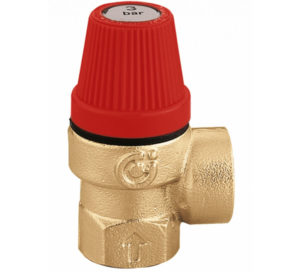
Safety relief valves (SRVs) play a vital role in sealed heating and hot water systems, acting as a critical safeguard against dangerous over-pressurisation. When system pressures exceed safe operating limits, these components discharge fluid to prevent structural damage to boilers, cylinders, and pipework. However, persistent discharging often signals underlying installation flaws or system maintenance issues rather than a faulty valve.
Unwanted discharge frequently stems from incorrectly sized expansion vessels, loss of vessel air charge, or thermal expansion in unvented hot water circuits. Installing an SRV requires strict adherence to manufacturer specifications and relevant building standards. Discharge pipework must be routed continuously downwards to a safe, visible termination point—such as a tundish—without restrictions or sharp bends that could restrict flow during an emergency relief event.
What does this mean for a UK tradesperson or DIYer actually buying this kit — does it change what they should pay, buy, or watch out for?
For heating engineers and plumbers sourcing components from merchants like Screwfix, Toolstation, or local plumbing stockists, choosing the correct safety relief valve is about specification rather than buying the cheapest unit. Ensure you double-check pressure ratings (typically 3 bar for sealed heating systems and up to 6 bar for unvented hot water supply) and connection sizes before purchasing. Buying cheap, non-standard valves without WRAS approval or appropriate rating certificates risks non-compliance with Building Regulations Part G and Part L. Installers should also stock quality pressure gauges and vessel pump kits to diagnose system pressure issues accurately before unnecessarily replacing operational valves.
Reported by PHPI Online — original article
Price alerts on the kit you're watching, plus the deals our team files each day.
Create a free account