






































Ofgem's October energy price cap rise to £1,723 is a unit rate cap, not a ceiling on total annual energy bills for households.
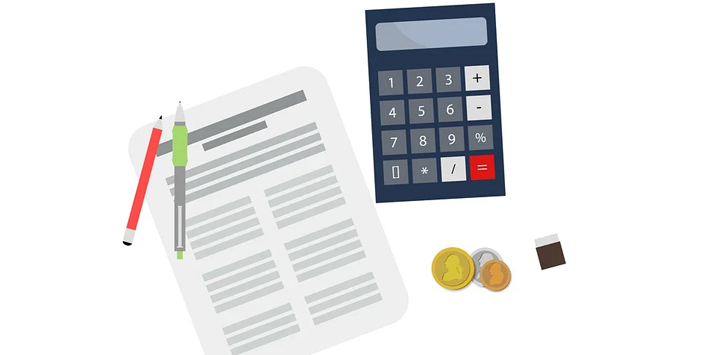
Energy regulator Ofgem has confirmed a 4% increase in its energy price cap, pushing the benchmark figure for a typical dual-fuel household from £1,663 to £1,723 per year. However, consumer warnings highlight widespread misunderstanding regarding how the cap functions as winter approaches.
The £1,723 figure is based on a standardized average usage model rather than an absolute spend limit. The mechanism actually caps the maximum unit rate and daily standing charge that suppliers can bill consumers. Consequently, households and domestic workspaces consuming more energy than the statistical average will see total annual bills significantly exceed the benchmark headline figure.
For tradespeople operating home workshops, charging high-capacity cordless battery platforms daily, or working on domestic renovation sites where heavy heating and drying equipment is running, energy costs will scale directly with usage. Expecting bills to top out at £1,723 is a financial miscalculation. Sole traders operating out of residential properties need to budget based on kilowatt-hour rates rather than standard cap figures. It also reinforces the economic case when purchasing energy-efficient site heating, LED task lighting, and smart battery chargers designed to optimize power consumption during peak tariff hours.
Contractors operating heavy machinery or high-draw tools should monitor actual unit consumption carefully. Evaluating off-peak charging strategies and efficient site setup can help mitigate the impact of the 4% increase across the winter season.
Reported by Installer Online — original article
Price alerts on the kit you're watching, plus the deals our team files each day.
Create a free account