





































A new Building Safety Levy takes effect from October 2026 for residential developments of 10+ dwellings, alongside tighter water efficiency rules and a push for a single construction regulator.
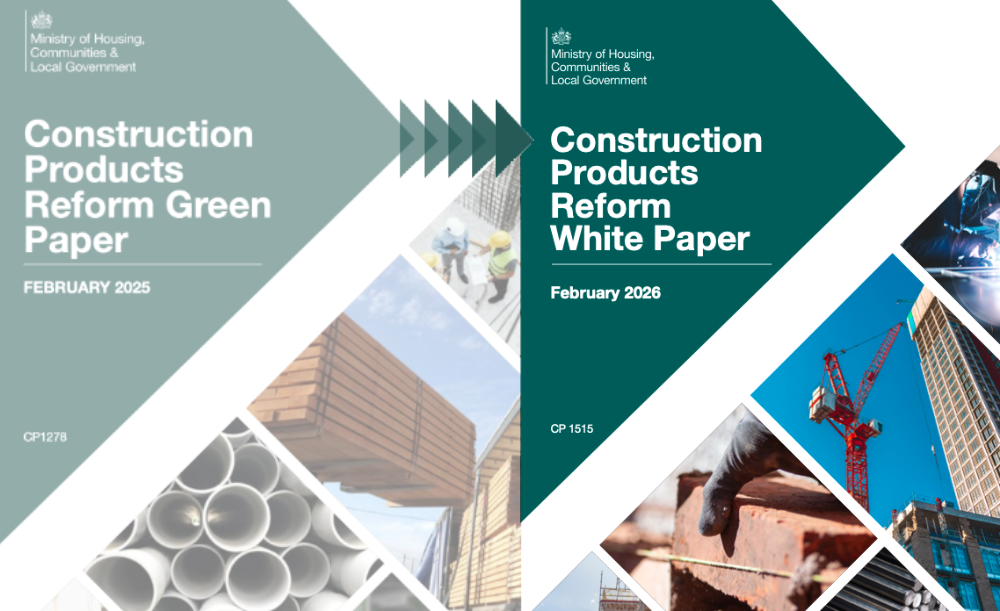
2026 is shaping up as a pivotal year for UK construction regulation, with several major policy changes set to reshape how buildings are designed, constructed, and managed.
From 1st October 2026, a new Building Safety Levy will apply to most new residential developments in England comprising 10 dwellings or more. Local authorities will collect the levy, with funds directed towards the remediation of building safety defects identified in the wake of the Grenfell Tower tragedy.
New Part G of the Building Regulations will tackle water efficiency in new homes, reducing the maximum water usage requirement from 125 to 105 litres per person per day. Builders will need to specify fittings such as dual-flush toilets, aerated taps, and efficient showerheads to meet the new standards.
Following recommendations from the Grenfell Inquiry Phase 2 Report, the Government published its Single Construction Regulator Prospectus in December 2025. The consultation closed on 20th March 2026, with a full response expected in summer 2026. The proposed single regulator would consolidate functions currently split across the Building Safety Regulator, the National Regulator for Construction Products, and other bodies.
The Built Environment Competence Hub went live on 19th January 2026, managed by the BSI. It provides a central resource for construction professionals and trades to access competence frameworks, standards, and practical guidance — a key step in raising professional standards across the industry.
For tradespeople and smaller contractors, these regulatory changes mean staying informed is more important than ever. Trade associations, compliance software, and the new Competence Hub all offer routes to ensure businesses remain compliant as the regulatory landscape evolves.
Price alerts on the kit you're watching, plus the deals our team files each day.
Create a free account