


































Benchmarking tests reveal the fastest impact drivers for heavy-duty timber and metal fixings, helping tradespeople pick the right high-speed tool.
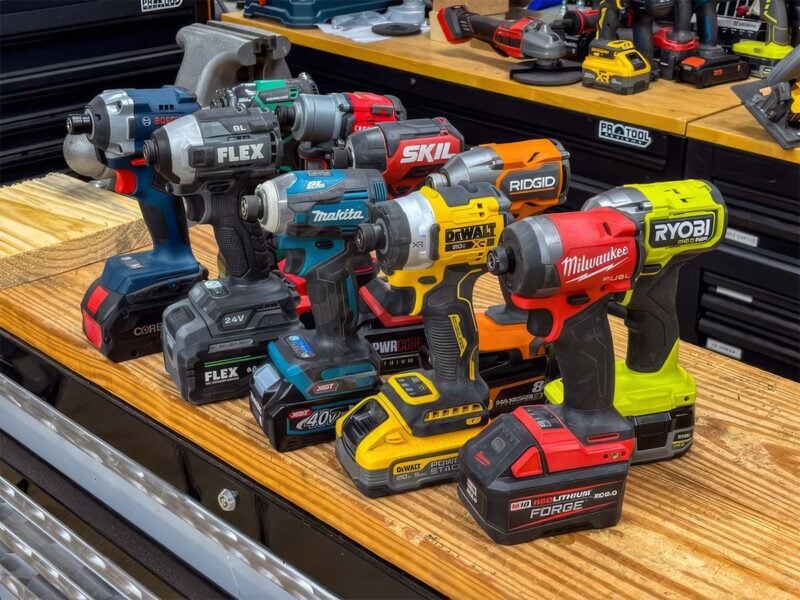
Impact drivers have evolved far beyond driving standard wood screws or short drywall fixings. Modern 18V and 20V Max platforms are increasingly tasked with driving structural timber screws, coach bolts, and self-tapping metal fixings. To determine which models deliver the rawest drive speed under load, a comprehensive speed test benchmarked 13 current impact drivers against identical heavy-duty fastening tasks.
The testing evaluated how quickly each unit could sink large-diameter fixings into dense construction materials. While torque ratings often dominate manufacturer datasheets, practical fastening speed relies heavily on a tool's impact rate (beats per minute) combined with its motor speed (RPM) under actual resistance. The results highlighted significant performance gaps between standard compact models and high-output trade-focused tools.
What does this mean for a UK tradesperson or DIYer actually buying this kit — does it change what they should pay, buy, or watch out for?
For site carpenters, roofers, and steel fabricators repeatedly driving heavy structural fixings, high fastening speed directly impacts daily productivity. Choosing a top-performing impact driver can save cumulative hours on large timber-framing or decking jobs. However, buyers should weigh these speed gains against battery drain and heat build-up. High-speed performance demands high-amp-hour batteries, meaning an upgrade to a faster tool may require investing in higher-capacity packs rather than relying on compact 2.0Ah units.
When selecting an impact driver strictly for speed and heavy fixings, consider the following practical factors:
Reported by Pro Tool Reviews — original article
Price alerts on the kit you're watching, plus the deals our team files each day.
Create a free account