









































Ten years after the BIM Chasm concept was introduced, we examine the progress of UK construction digitalisation and what lies ahead for the industry.
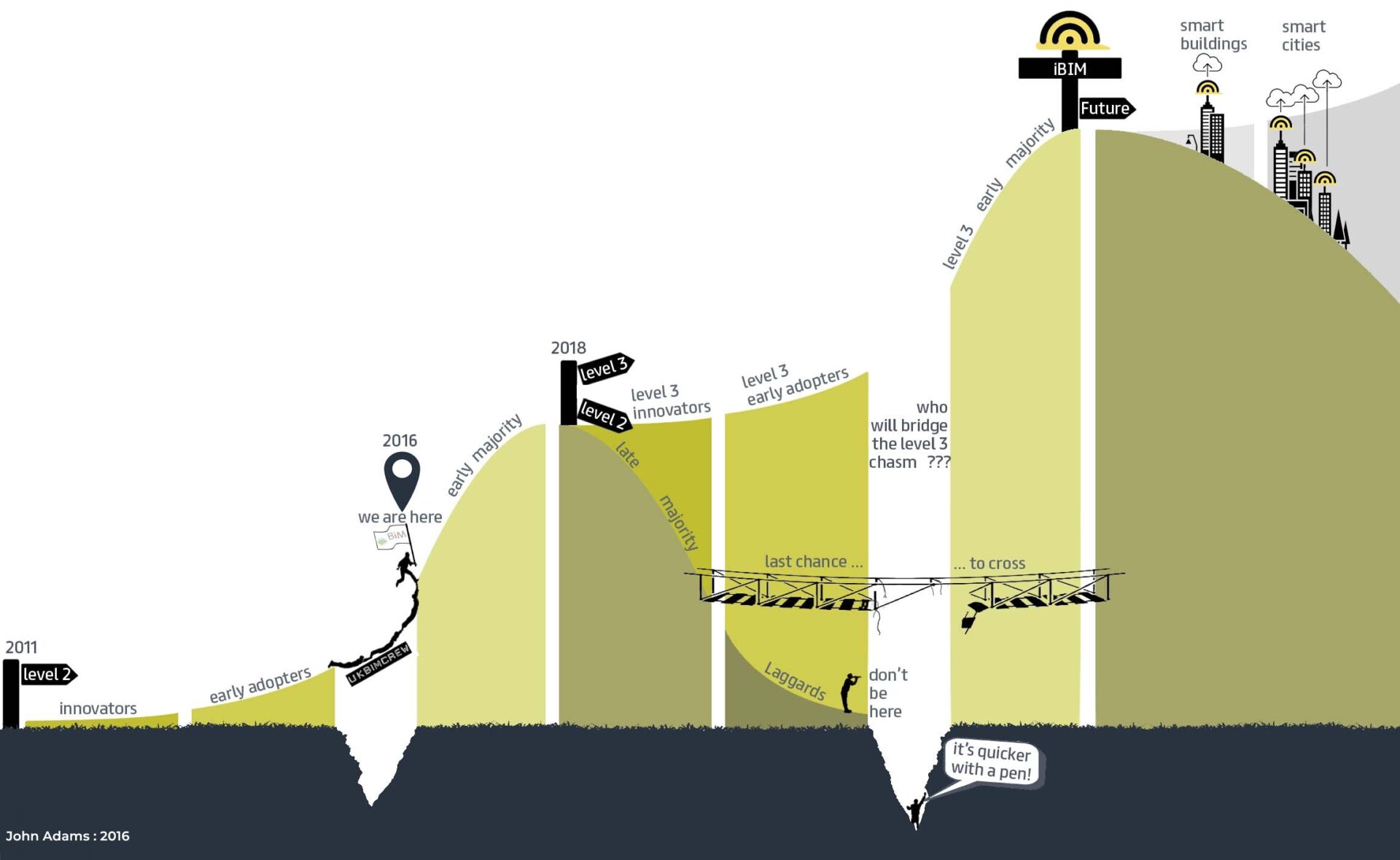
Ten years ago, industry expert John Adams introduced the concept of the 'BIM Chasm' in Construction Management magazine, highlighting the significant gap between early adopters of Building Information Modelling (BIM) and the wider construction sector. A decade later, Adams has revisited his original analysis to evaluate how far UK construction has advanced in its digital journey, and to identify the new challenges facing the sector today.
While digital workflows, 3D modelling, and centralised asset data have become standard practice on major public sector projects and large infrastructure schemes, widespread adoption across smaller regional contractors and individual trade subcontractors remains mixed. The initial push towards BIM Level 2 compliance forced major architectural and main contracting firms to modernise, but the integration of digital tools across the broader supply chain continues to evolve at a varied pace.
What does this mean for a UK tradesperson or DIYer actually buying this kit — does it change what they should pay, buy, or watch out for? For small-scale domestic builders, electricians, and plumbers, the day-to-day purchasing of tools and materials from trade counters like Screwfix, Toolstation, or Travis Perkins remains unaffected by high-level BIM architecture. You will not need to change the hand tools, power tools, or consumables you buy for general domestic work. However, sub-contractors taking on commercial, local authority, or main-contractor projects will increasingly encounter requirements to interface with digital site models, submit asset data digitally, or work alongside digital twin platforms. While this does not impact immediate retail prices for building materials, trade contractors should watch out for tender requirements demanding basic digital literacy and software compatibility when bidding for larger commercial jobs.
Looking ahead, the discussion around construction technology is shifting from basic 3D modelling toward integrated data management, artificial intelligence, and real-time carbon tracking. Main contractors and commercial clients are increasingly focused on software interoperability and asset lifecycle management, ensuring that digital data created during construction adds value throughout the operational life of the building.
Reported by Construction Management — original article
Price alerts on the kit you're watching, plus the deals our team files each day.
Create a free account