




































Creditors approve Company Voluntary Arrangements for seven Ardmore group firms, securing financial breathing space.
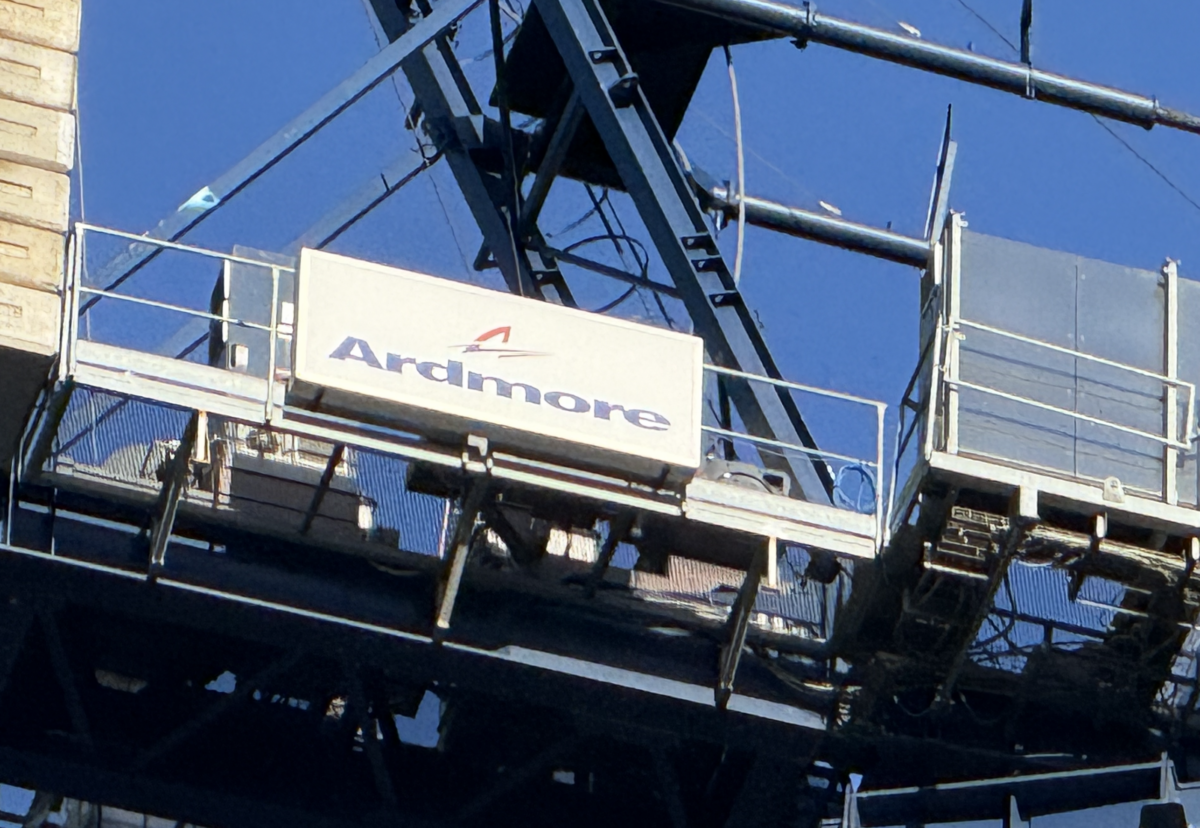
Creditors have formally backed a Company Voluntary Arrangement (CVA) rescue strategy covering seven companies within the Ardmore construction group. The approval provides crucial financial protection for the contractor as it prepares for a major appeal concerning a Building Liability Order.
The CVA framework allows Ardmore to ring-fence its operations, restructure outstanding debts, and maintain trading continuity across active sites. Securing creditor support prevents immediate insolvency action, allowing the tier-one business to focus legal resources on its upcoming statutory liability challenge.
Financial distress among major main contractors creates immediate ripples throughout the supply chain. CVAs are increasingly utilized by large building firms dealing with legacy liabilities and tight margins to avoid total liquidation. For sub-contractors, specialist trades, and material suppliers, a approved CVA provides a structured path to recover a portion of outstanding debts while keeping active sub-contracts alive.
What does this mean for a UK tradesperson or DIYer actually buying this kit — does it change what they should pay, buy, or watch out for?
For self-employed tradespeople and small sub-contracting firms working on tier-one residential or commercial developments, this outcome is a clear warning to audit payment exposures. While this specific restructuring does not alter the price of power tools or over-the-counter timber at local merchants, sub-contractors taking on site work with large main contractors should re-examine credit terms, demand prompt payment schedules, and ensure they are not over-exposed to corporate liability disputes higher up the supply chain.
Reported by Construction Enquirer — original article
Price alerts on the kit you're watching, plus the deals our team files each day.
Create a free account