







































Navigate UK self-employment tax with ease. Discover allowable expenses, capital allowances, VAT, and CIS tips for tradespeople. Maximise your take-home pay with DSIDE.
Running your own trades business in the UK offers incredible freedom and the satisfaction of a job well done. But let's be honest: when the tools are down and the workday is over, the thought of tax can feel as daunting as tackling a complex rewire or a tricky plumbing emergency. HMRC regulations, allowable expenses, VAT, CIS – it's enough to make even the most seasoned professional sweat!
Fear not! This guide from DSIDE.co.uk is here to demystify tax for self-employed tradespeople. We'll break down the essentials, highlight key allowances, and provide practical, actionable advice to help you keep more of your hard-earned money. After all, every penny saved on tax is a penny you can reinvest in better tools, training, or simply enjoy.
Understanding your tax obligations is crucial, not just for compliance but for optimising your financial health. As a self-employed tradesperson, you're responsible for declaring your income and paying income tax and National Insurance contributions through Self Assessment. Getting it right means avoiding penalties and ensuring you're only paying what you owe, not a penny more.
If you're new to self-employment, one of your first tasks is to register with HMRC. You'll need to do this by 5 October in your business's second tax year. For example, if you started trading in April 2024, you'd need to register by 5 October 2025.
This is where many tradespeople can significantly reduce their tax bill. Allowable expenses are costs incurred wholly and exclusively for your business. The more legitimate expenses you claim, the lower your taxable profit, and thus, the lower your tax bill.
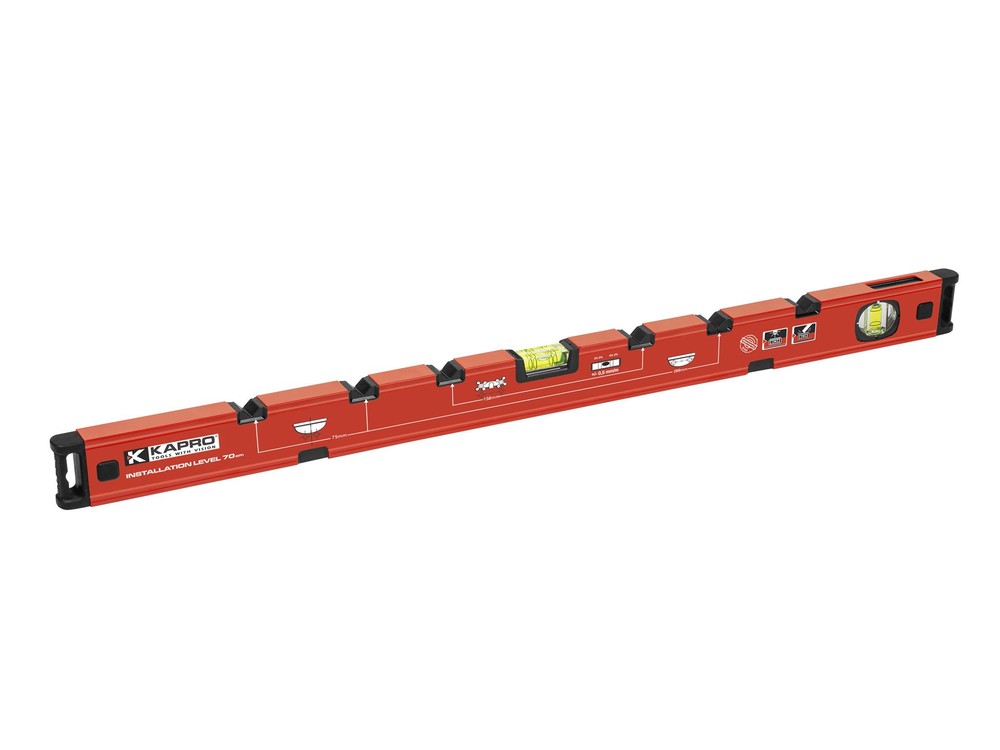
Your tools are your livelihood. The good news? Many of these essential purchases can be claimed as an expense. From hand tools like hammers, spanners, and spirit levels to power tools such as DeWalt combi drills, Makita impact drivers, Bosch Professional circular saws, Milwaukee angle grinders, or a Ryobi ONE+ system, these are all legitimate business costs.
Remember, always keep your receipts! Whether you buy from Screwfix, Toolstation, Amazon UK, or a local supplier, proof of purchase is vital. And when you're looking for new gear, make sure you compare prices on DSIDE.co.uk to get the best deals – saving money on purchases means less cash out of your pocket, which indirectly boosts your net earnings.
Your work van or car is often indispensable. You can claim for costs related to using your vehicle for business purposes:
Staying up-to-date with certifications (e.g., Gas Safe, NICEIC), new techniques, or even business skills courses are allowable expenses. If it helps you do your job better or grow your business, it's likely claimable.
Public liability insurance, professional indemnity insurance (which might be £150-£300 per year), tool insurance, and critical illness cover directly related to your business are all allowable. These protect you and your livelihood.
If you regularly work from home (doing admin, quoting, managing your books), you can claim a portion of your household costs:
Safety boots, high-vis jackets, specialist work trousers, branded uniforms, and personal protective equipment (PPE) like gloves, masks, and safety goggles are all legitimate expenses. Ordinary clothes that you happen to wear for work are not.
Trade union fees, professional body memberships (e.g., Federation of Master Builders), and subscriptions to trade journals are also allowable.
Top Tip: Don't forget bank charges for your business account, postage, stationery, mobile phone bills (for the business portion), and accountancy fees! Every little bit adds up.
As mentioned, for significant investments like a new heavy-duty industrial vacuum, an expensive welding machine, or a top-of-the-range DeWalt table saw, these fall under Capital Allowances. Instead of deducting the full cost as an expense in one go, you claim a percentage each year, or potentially the full amount through the Annual Investment Allowance (AIA).
Always check the latest AIA limits on the GOV.UK website or consult with an accountant.
VAT (Value Added Tax) is often a mystery to many. You only need to register for VAT if your VAT-taxable turnover (sales) exceeds the VAT registration threshold in a 12-month period (currently £90,000 as of April 2024). Once registered, you'll charge VAT on your services and goods, and you can reclaim VAT on your business purchases.
If your turnover is below the threshold, you don't have to register, which often simplifies your invoicing and record-keeping.
If you're a self-employed contractor or sub-contractor in the construction industry, the CIS will likely apply to you. Under CIS, contractors deduct tax from sub-contractors' payments and pass it to HMRC.
Understanding CIS is critical to avoid complications with your tax returns and cash flow.
Accurate record-keeping is the bedrock of good tax management. HMRC can ask to see your records at any time, and having everything organised makes Self Assessment a breeze. Keep:
Consider using accounting software like FreeAgent, Xero, or QuickBooks to streamline your bookkeeping. Many tradespeople find that digital solutions save them hours of admin each week.
Missing tax deadlines can lead to penalties, so mark these in your diary:
Don't get caught out! Set reminders and aim to submit your return well in advance.
While this guide provides a solid foundation, tax can be complex. A good accountant specialising in trades businesses can save you time, stress, and crucially, money. They can ensure you claim all eligible expenses, advise on VAT and CIS, and navigate complex rules, allowing you to focus on what you do best – your trade.
Every penny saved on business expenses means less taxable profit, and more money in your pocket. Whether it's a new Makita drill, Bosch laser level, or essential consumables, make it a habit to compare prices. DSIDE.co.uk makes this incredibly easy, bringing together deals from major UK retailers like Screwfix, Toolstation, and Amazon UK. Before you click 'buy', check DSIDE to ensure you're getting the best value on your tools and hardware.
By staying organised, understanding your allowances, and making smart purchasing decisions, you can navigate the world of self-employed tax with confidence and keep your business thriving.
Price alerts on the kit you're reading about, plus the bargains our team files each day.
Create a free account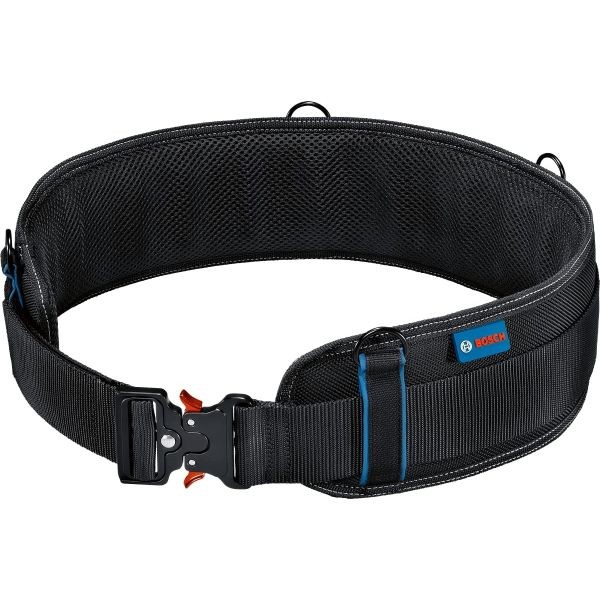

Comments (0)
No comments yet.