








































UK DIY projects face challenges from soaring material costs. Discover smart strategies, compare tool prices, and save money on your next home improvement project. Get practical advice now!
The dream of a refreshed kitchen, a new garden deck, or simply fixing that leaky tap has always been a cornerstone of British homeownership. DIY projects offer a unique blend of satisfaction, cost-saving potential, and personal touch. However, if you’ve recently ventured into your local Screwfix or Toolstation, or browsed for timber on Amazon UK, you’ve likely noticed a significant shift: prices are on the up. Rising material costs are impacting UK DIY projects more than ever, turning dream renovations into potential budget nightmares.
At DSIDE.co.uk, we understand the frustration. As your go-to price comparison website for tools and hardware, we’re dedicated to helping you navigate these challenging times. Let’s delve into why costs are escalating and, more importantly, how you can still achieve your DIY aspirations without breaking the bank.
It’s not just your imagination; a confluence of global and local factors has driven up the price of almost every material and tool you might need for a DIY project. Understanding these drivers is the first step to mitigating their impact:
Let’s look at some common UK DIY projects and how these price increases manifest:
Dreaming of a new deck or sturdy fence? Timber prices are a major hurdle. Decking boards, fence panels, and treated timber posts – staples for any garden revamp – are noticeably more expensive. Even aggregates and landscaping fabric have seen price adjustments.
These projects are material-intensive. Beyond the big-ticket items like units and sanitaryware, consider the hidden costs: plasterboard, tiles, adhesives, grout, copper pipes, electrical cabling, and sundry fixings. All these elements contribute significantly to the overall budget creep.
For larger structural projects, the impact is magnified. Steel beams, concrete, insulation materials, and roofing supplies have all experienced substantial price hikes, turning careful estimates into challenging balancing acts.
“Smart planning and savvy shopping are no longer optional extras; they are essential strategies for any UK DIYer tackling projects in today’s economic climate.”
Don’t despair! While you can’t control global markets, you can control how you approach your projects. Here’s practical, actionable advice to help you save money:
Waste is your biggest enemy. Accurate measurements and a detailed plan minimise mistakes, costly re-buys, and unnecessary trips to the shop. Calculate exactly how much timber, plasterboard, paint (e.g., Dulux Trade, Crown Trade), or number of screws you need. Over-ordering leads to wasted money, while under-ordering incurs additional delivery costs or fuel for extra journeys.
If your dream garden makeover feels out of reach, break it down. Perhaps focus on essential repairs or smaller, impactful zones first. Phase larger projects – deck frame one year, decking boards the next, or focus on plumbing in the bathroom before tiling. This spreads the cost and allows you to save between stages.
This is where DSIDE.co.uk becomes your ultimate DIY companion. Never settle for the first price you see. Different retailers – Screwfix, Toolstation, Amazon UK, Wickes, B&Q, and independent builders’ merchants – will have varying prices, promotions, and stock levels. Use DSIDE.co.uk to quickly compare prices on:
Look out for multi-buy deals, “buy one get one free” offers, or discounts for bulk purchases, especially on items like paint or common fixings.
Do you really need to buy a £300 SDS drill for a single afternoon’s work? For infrequent or highly specialist tasks, hiring tools from local hire shops or borrowing from friends can be far more cost-effective than a new purchase. If buying, consider second-hand options from reputable sellers on platforms like eBay, but always check their condition thoroughly.
If you’re already invested in a battery platform like DeWalt XR, Makita LXT, Bosch Professional, Milwaukee M18, or Ryobi ONE+, stick with it! Buying “bare tools” (without batteries and chargers) is significantly cheaper than full kits. For example, a bare Makita DTD152Z Impact Driver might be £70-£90, whereas a kit with batteries and charger could be £150+. DSIDE.co.uk can help you find the best prices on bare tools too!
A well-maintained tool lasts longer, saving you from premature replacement costs. Clean your power tools after use, sharpen blades, and store them correctly. This applies to everything from your Ryobi strimmer to your Bosch circular saw.
In a world of fluctuating prices, having a reliable price comparison tool is invaluable. DSIDE.co.uk aggregates deals from leading UK retailers, empowering you to make informed decisions and secure the best prices on the tools and hardware you need. Instead of manually checking Screwfix, then Toolstation, then Amazon UK, let us do the hard work for you. It’s quick, easy, and could save you hundreds of pounds over the course of your projects.
Rising material costs undoubtedly present a challenge to the UK DIY enthusiast. However, by adopting smart strategies – meticulous planning, careful sourcing, considering alternatives, and making the most of tools like DSIDE.co.uk – you can still achieve your home improvement goals. Don’t let the headlines deter you; with a bit of savvy, your DIY dreams remain well within reach. Happy building, and remember to compare prices on DSIDE.co.uk before you buy!
Price alerts on the kit you're reading about, plus the bargains our team files each day.
Create a free account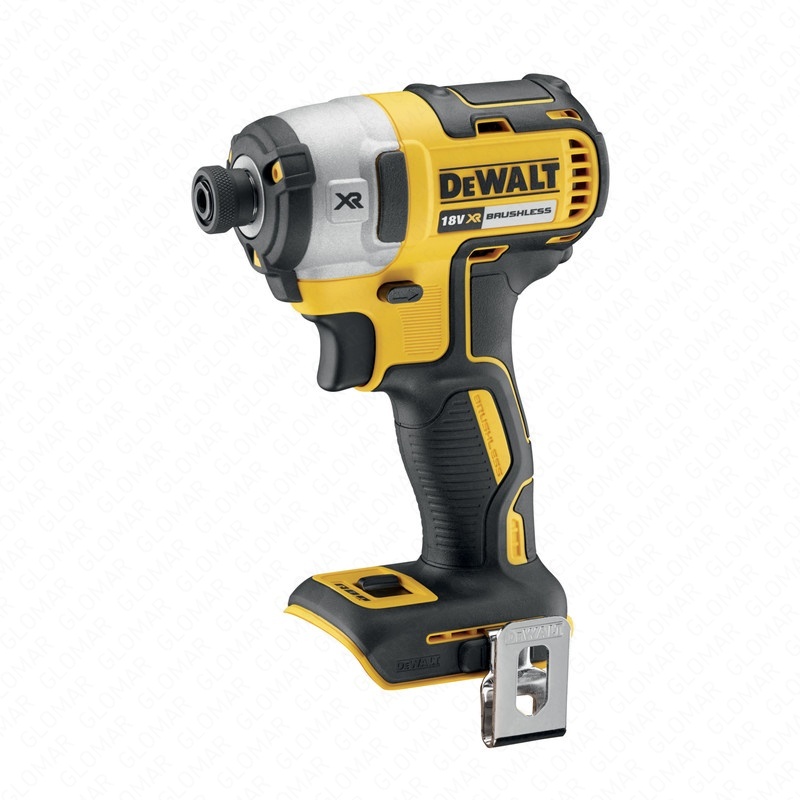

Comments (0)
No comments yet.