






































Insolvencies among UK scaffolding firms rose 26% to 58 businesses in the year to October, highlighting ongoing pressure on sub-contractors.
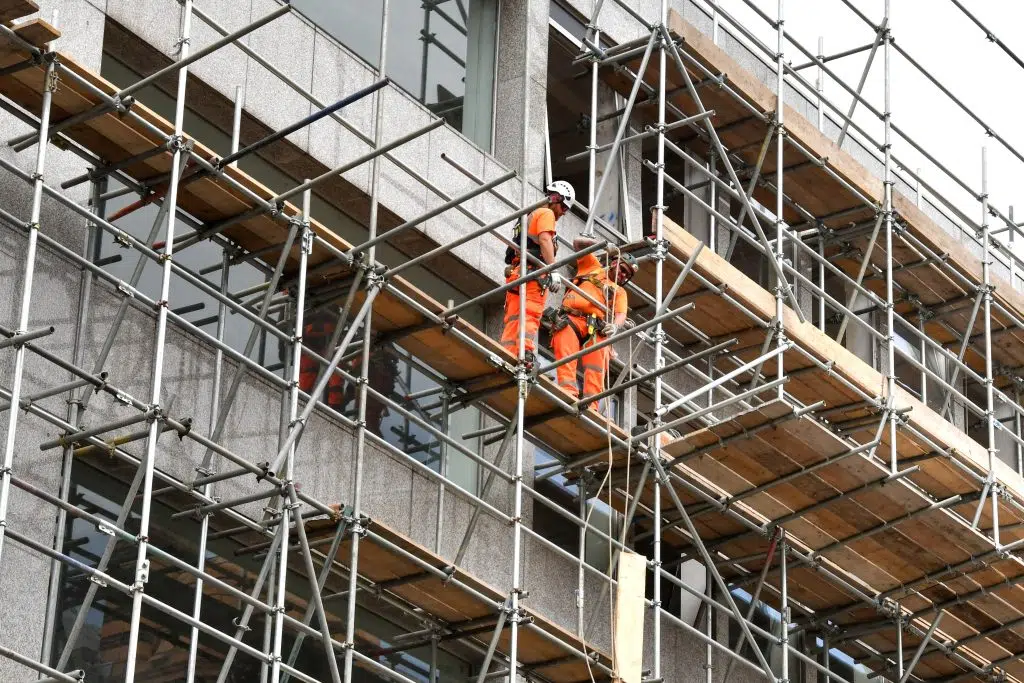
Data reveals that 58 scaffold erection companies in Great Britain entered insolvency in the 12 months leading to October, representing a 26 per cent rise from the 46 failures recorded in the previous year. This sharp increase in access-sector insolvencies occurred despite a slight drop in total insolvencies across the wider UK construction industry during the same timeframe, underscoring severe financial pressures on specialist trade sub-contractors.
Scaffolding firms sit early in the construction timeline, making them particularly vulnerable to delayed site starts, extended project timelines, and delayed payments from main contractors. Rising fuel costs, high equipment leasing expenses, and persistent material price inflation have combined to erode operating margins for small-to-medium access specialists operating across commercial and residential sites.
For independent builders, roofers, and plumbers relying on hired access equipment, the contraction in active scaffolding firms reduces local hire competition. Regional tradespeople should anticipate potential hire price increases or longer lead times for staging installation. Main contractors and self-builders must exercise strict due diligence on sub-contractor solvency, as a scaffolding firm entering administration mid-project can freeze work on-site, tied up in legal access disputes over hired tube and fitting stock.
General builders should avoid paying large upfront deposits to access sub-contractors and establish clear contract terms regarding the ownership and emergency removal of site scaffolding in the event of firm liquidation.
Reported by ScaffMag — original article


Price alerts on the kit you're watching, plus the deals our team files each day.
Create a free account