









































Discover why earth leakage testing is vital for modern electrical loads and ageing installations, plus what test equipment UK sparkies actually need.
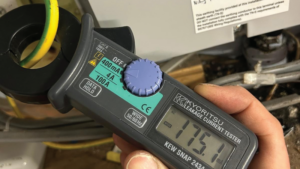
Modern domestic and commercial properties are increasingly packed with sophisticated electronic loads. Switch-mode power supplies, LED lighting drivers, variable speed drives, and EV chargers all introduce high-frequency harmonics and small operational leakage currents into electrical systems. As existing wiring and consumer units age, managing cumulative earth leakage has become one of the most critical aspects of routine testing and maintenance for UK electricians.
Standard residual current devices (RCDs) and residual current breakers with overcurrent protection (RCBOs) are designed to trip when leakage exceeds safe thresholds. However, when multiple electronic appliances contribute minor background leakage on a single circuit, nuisance tripping becomes a frequent headache. Test equipment manufacturer Kewtech highlights that identifying parasitic leakage before nuisance tripping occurs requires precise diagnostic procedures rather than basic insulation resistance testing alone.
What does this mean for a UK tradesperson or DIYer actually buying this kit — does it change what they should pay, buy, or watch out for?
For working electricians, standard multifunction testers (MFTs) remain essential, but a dedicated AC/DC earth leakage clamp meter has quickly moved from a specialist luxury to a mandatory toolbag item. When purchasing a clamp meter from merchants like Screwfix, Toolstation, or electrical wholesalers, sparkies should look for true RMS units capable of measuring down to 0.001mA (microamps) with high-frequency filtering to isolate true earth faults from electronic noise. Expect to pay between £150 and £350 for a professional-grade leakage clamp from established brands like Kewtech, Megger, or Fluke. Buying cheap generic meters without low-milliamp resolution will fail to pinpoint the stray currents causing RCD nuisance trips.
Electricians carrying out periodic inspection and testing should integrate dedicated leakage measurements prior to replacing protective devices. Carrying out a quick clamp check on the main protective conductor helps diagnose background leakage early, protecting tradespeople from unbillable recall visits to resolve nuisance trips.
Reported by Professional Electrician — original article




Price alerts on the kit you're watching, plus the deals our team files each day.
Create a free account