

































Replacing non-compliant external wall insulation requires careful evaluation of fire performance, structural integrity, and occupant safety.
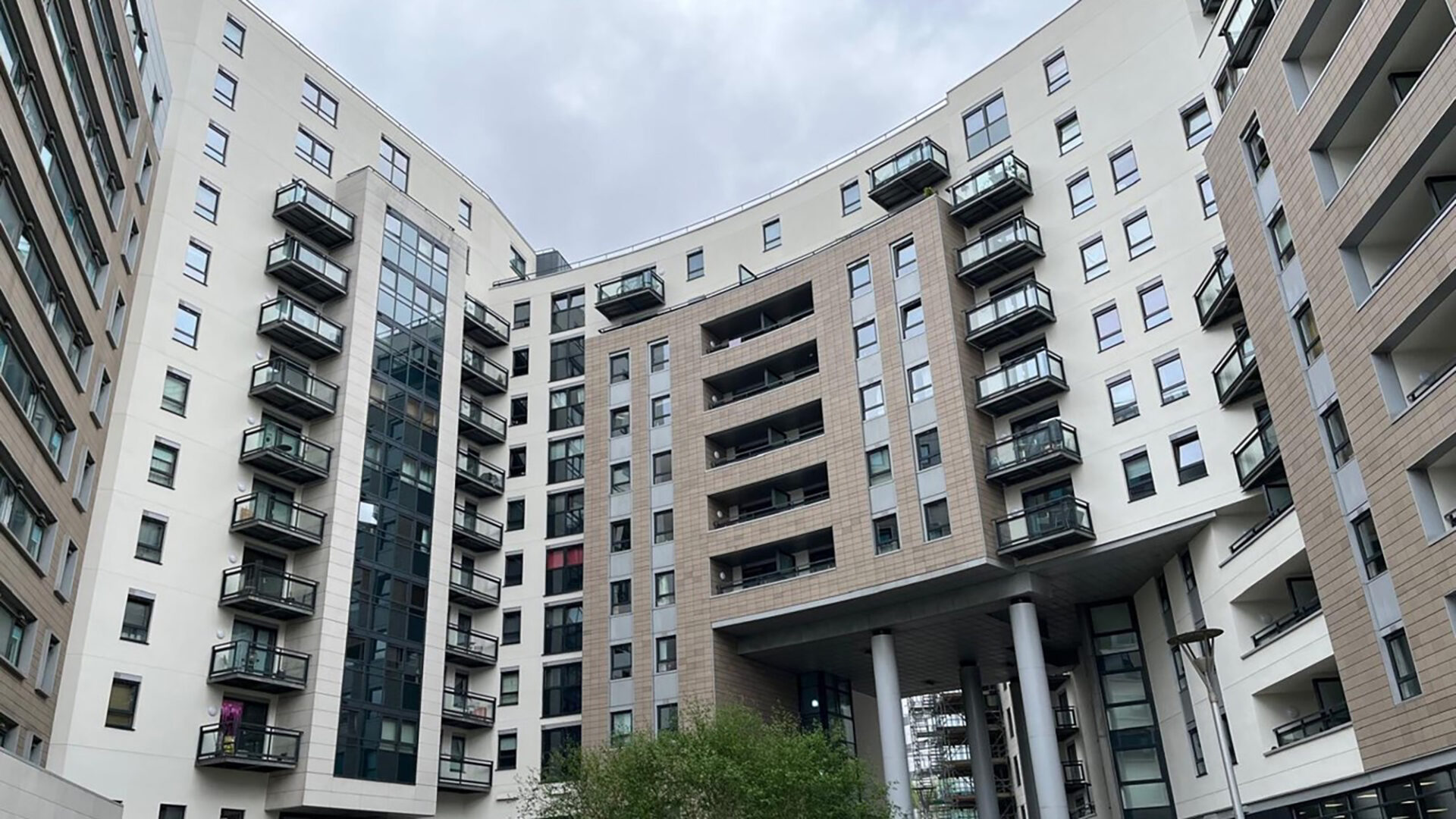
Remediating non-compliant external wall insulation (EWI) on existing residential buildings presents complex technical challenges that go far beyond standard insulation installation. A recent industry guide highlights that stripping and replacing unsafe cladding systems requires meticulous planning around structural integrity, fire performance, and ongoing building occupancy.
Replacing combustible or non-compliant façade materials involves assessing the entire wall assembly rather than simply swapping out insulation boards. Installers and specifiers must evaluate how the structural substrate handles new fixings, ensure proper fire stopping at floor levels, and prevent water ingress during stripping works.
When working on occupied residential blocks, contractors face strict safety boundaries to limit risk during the removal process. Selecting the correct combination of non-combustible insulation cores, compatible renders, and certified mechanical fixings is essential to meeting updated building safety regulations.
What does this mean for a UK tradesperson or DIYer actually buying this kit — does it change what they should pay, buy, or watch out for?
For general builders, plasterers, and specialist EWI installers, modern wall remediation requires purchasing strictly compliant, fully tested system components rather than mixing and matching cheaper off-the-shelf products. Tradespeople buying from trade counters such as Screwfix, Toolstation, or specialist insulation merchants must verify that insulation boards, fire breaks, and mechanical anchors carry system-level certification for high-risk applications.
Installing unverified materials or using non-approved fixings to cut costs risks regulatory rejection by building control inspectors. Tradespeople should expect higher upfront material costs for stone wool or non-combustible mineral wool systems compared to legacy EPS foam boards. Installers must budget for certified fixings, specialized rendering tools, and appropriate personal protective equipment, ensuring every component meets exact manufacturer specifications to avoid costly tear-outs.
Reported by Construction Management — original article



Price alerts on the kit you're watching, plus the deals our team files each day.
Create a free account