









































A new Vent-Axia whitepaper warns of increasing overheating in UK buildings due to climate change and inadequate ventilation, urging trades to consider long-term solutions.
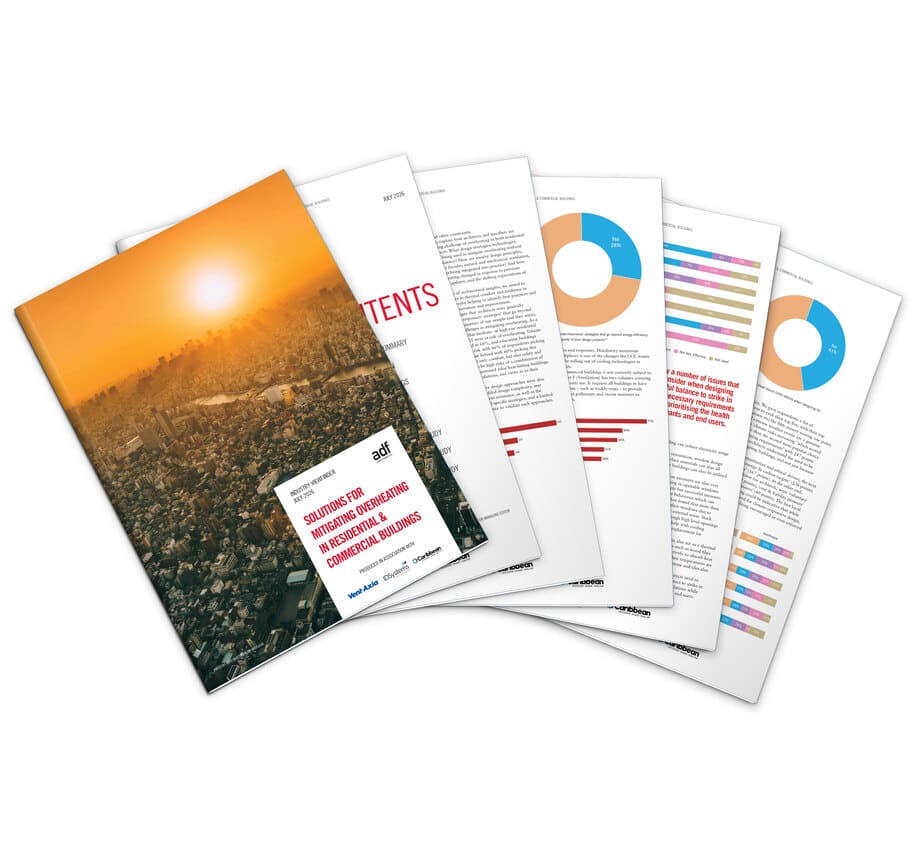
A new whitepaper from ventilation specialist Vent-Axia has spotlighted the escalating risk of overheating in UK buildings. With the country experiencing multiple heatwaves this year, and heat-health warnings becoming more frequent, the report underscores the urgent need for improved ventilation strategies and a re-evaluation of current building practices.
The paper suggests that traditional building designs and ventilation methods are increasingly insufficient to cope with higher ambient temperatures and more intense heat events. This isn't just a comfort issue; prolonged exposure to high indoor temperatures can pose significant health risks, particularly for vulnerable occupants. For tradespeople involved in new builds, renovations, or maintenance, understanding and mitigating this risk is becoming a critical part of their work.
The core message is that simply reacting to heatwaves with temporary measures is no longer adequate. A proactive approach, integrating effective ventilation and cooling solutions from the design stage, is essential. This includes considering both natural and mechanical ventilation systems, as well as passive cooling techniques. The implications extend across the construction industry, from architects and developers to installers and maintenance professionals, all of whom play a role in ensuring buildings remain safe and comfortable.
For a UK tradesperson or serious DIYer, this report highlights a shift in focus when specifying or installing ventilation and cooling equipment. It's no longer just about meeting minimum building regulations for air quality, but also about actively preventing overheating. When buying kit from Screwfix, Toolstation, Wickes, or independent merchants, you should increasingly watch out for products designed with thermal comfort in mind, not just air extraction or supply.
This might mean investing in more advanced mechanical ventilation with heat recovery (MVHR) systems that can also offer a 'summer bypass' function to prevent heat ingress, or looking at smart ventilation controls that react to indoor temperatures. While specific brands or price levels aren't mentioned in the source, the trend suggests a move towards higher-performance, potentially more integrated, and therefore sometimes higher-priced, ventilation solutions compared to basic extract fans. When comparing products, consider their effectiveness in managing heat, not just humidity or pollutants. Ask suppliers about products with higher airflow rates or intelligent controls suitable for heat management. This isn't necessarily about paying more for the same old kit, but about ensuring you're buying the right, future-proofed solutions for evolving climate challenges.
The whitepaper serves as a stark reminder that climate change is already impacting the built environment in the UK. Tradespeople need to be aware that clients will increasingly demand solutions that ensure comfortable indoor temperatures year-round, not just during winter. This means staying informed about the latest ventilation technologies and building science, and being prepared to recommend and install systems that go beyond basic compliance to offer genuine thermal resilience.
Reported by Electrical Contracting News — original article
Price alerts on the kit you're watching, plus the deals our team files each day.
Create a free account