

































A major roof blaze caused by unsafe hot works highlights the critical need for strict fire safety controls, flame-free tools, and hot work permits on site.
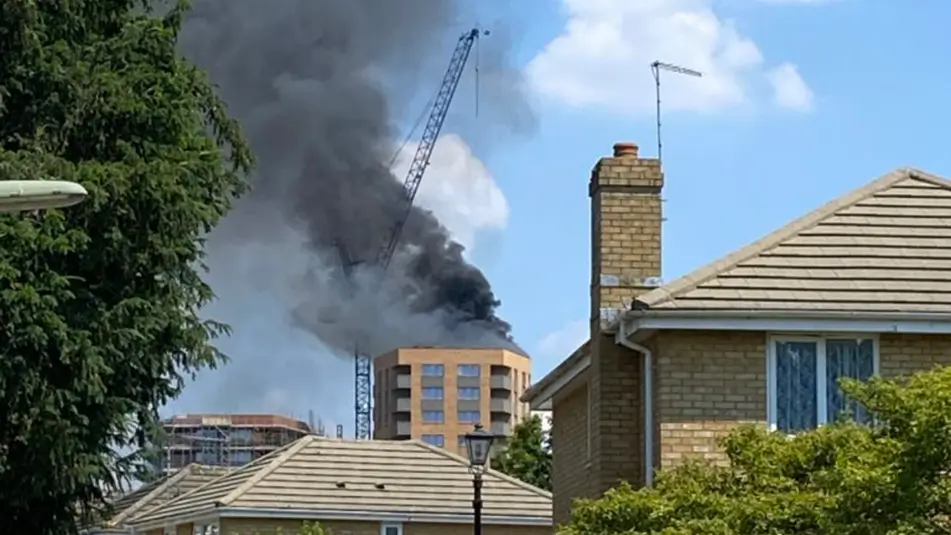
A recent roof blaze caused by unsafe hot works has served as a stark reminder of the devastating risks associated with open flames and high-heat equipment on construction sites. Operatives narrowly escaped injury when bitumen boilers and torch-on roofing operations ignited surrounding combustible materials, leading to a rapidly spreading fire that destroyed large sections of the structure.
Subsequent investigations into the incident highlighted critical failures in basic site safety protocols. The absence of adequate fire watch procedures, insufficient emergency equipment on hand, and a lack of formal hot work permits were key contributing factors. Health and safety officials have reiterated that thermal imaging checks and mandatory waiting periods following any hot works are essential to prevent smouldering materials from bursting into flames after workers leave the site.
The incident underscores a broader push within the UK construction industry to tighten regulations around high-risk activities. Site managers and main contractors are increasingly enforcing stringent hot work permit systems. These require dedicated fire marshals, clear exclusion zones, and fully serviced fire extinguishers positioned adjacent to the work area. Failure to adhere to these standards risks not only catastrophic property damage and loss of life, but also severe legal prosecution and uninsured financial losses.
For roofers, plumbers, and general contractors, this incident signals a accelerating shift away from traditional open-flame equipment toward safer, modern alternatives. Tradespeople should expect main contractors and commercial clients to increasingly specify flame-free systems on site. Buying into cold-applied liquid roofing systems, self-adhesive membranes, or electronic induction soldering tools rather than traditional blowtorches can prevent friction when taking on sub-contract work. When hot works are unavoidable, trades must factor the cost of compliant safety gear into their quotes. Expect to invest in certified fire blankets, dedicated hot-work fire extinguishers, and thermal imaging cameras to inspect work areas before signing off. Purchasing cheap, unverified gas kit or skipping basic safety accessories from merchants like Screwfix or Toolstation is no longer a viable risk on modern sites.
Reported by Roofing Today — original article


Price alerts on the kit you're watching, plus the deals our team files each day.
Create a free account