








































How retaining wall selection impacts site viability, soil stabilisation, and overall construction costs on sloping residential plots.
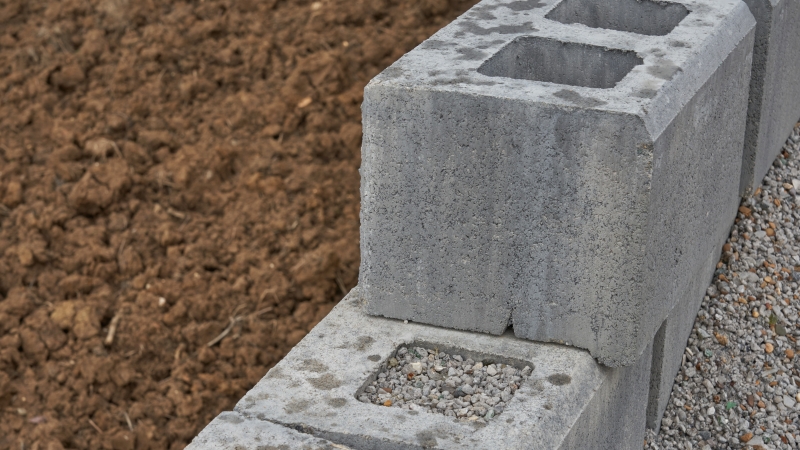
Prime housing sites in the UK are increasingly scarce, forcing developers and self-builders to tackle challenging plots with steep inclines and poor soil stability. Managing sloping ground requires robust engineering to hold back earth and stabilise foundations before main building works can begin. While retaining walls are the standard industry solution, selecting the wrong system can severely inflate groundworks budgets and erode plot viability.
Earth retention requires a careful balance between structural performance, drainage management, and material costs. Choosing between gravity walls, gabion baskets, soil nailing, or reinforced concrete masonry depends heavily on ground conditions, access limitations, and site footprint.
Groundwork contractors must account for hydro-static pressure behind retention structures. Without proper drainage systems, retained water adds immense weight, leading to potential wall failure. Modern ground engineering focuses on combining structural masonry or modular block systems with effective geotextiles and land drainage pipework to create efficient, durable retaining solutions without excessive over-excavation.
What does this mean for a UK tradesperson or DIYer actually buying this kit — does it change what they should pay, buy, or watch out for?
For groundworkers, joiners, and general builders working on sloping garden plots or domestic extensions, wall choice directly dictates your purchasing list at merchants like Travis Perkins or Wickes. Opting for modular concrete retaining blocks or gabion baskets rather than traditional poured-in-place reinforced concrete can lower overall costs by cutting shuttering timber and hire expenses for concrete pumps. However, trades must budget carefully for heavy-duty drainage components: perforated land drain pipes, non-woven geotextile membranes, and clean drainage aggregate are non-negotiable line items to prevent hydrostatic surcharge and structural failure.
Before installing any retaining structure above 1 metre, always confirm site drainage plans and soil load ratings. Skimping on aggregate backfill or geotextile filtration to save money upfront frequently results in costly callbacks and structural failure down the line.
Reported by Professional Builder — original article



Price alerts on the kit you're watching, plus the deals our team files each day.
Create a free account