







































Insights into managing reinforced autoclaved aerated concrete (RAAC) remediation projects within live public infrastructure environments.
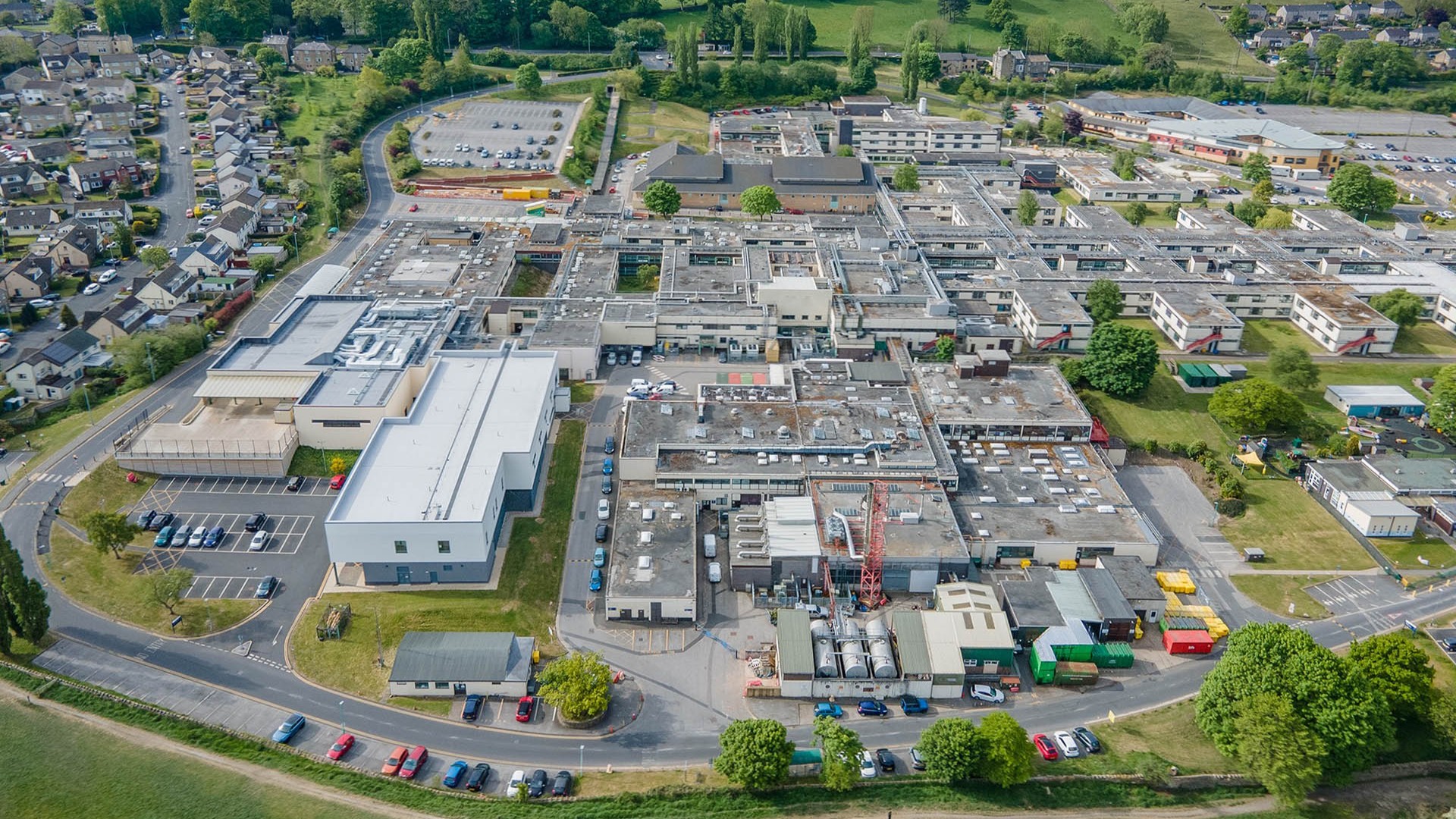
Remediating reinforced autoclaved aerated concrete (RAAC) presents distinct logistical and engineering hurdles, particularly when executed inside operational public facilities like hospitals. Recent insights shared by Dr David Baiyeshea MCIOB regarding work at Airedale Hospital underline that structural remediation involves far more than simply swapping out defective material. Works must be carefully phased to maintain clinical continuity, structural integrity, and safety throughout the process.
RAAC was widely used in UK public architecture between the 1950s and 1990s due to its lightweight, thermally efficient properties. However, its tendency to degrade rapidly when exposed to moisture has triggered urgent inspection and replacement programmes across the healthcare and education sectors nationwide.
Working in a live hospital setting means contractors cannot simply seal off an entire building. Structural support, propping, and panel replacement must be carried out in tight, controlled phases. Dust control, noise reduction, and maintaining access routes for emergency services add significant operational complexity. The engineering challenge involves balancing immediate temporary propping with long-term structural replacement, often in confined spaces with overhead service constraints.
What does this mean for a UK tradesperson or DIYer actually buying this kit — does it change what they should pay, buy, or watch out for?
For commercial trade contractors, the national focus on RAAC expands long-term opportunities in remedial work, propping installation, and lightweight steel framing. When pricing or specifying materials for structural repair or propping work in public or commercial buildings, contractors must factor in specialised containment and safety gear. High-rated dust extraction, heavy-duty adjustable acrow props, and structural timber sleepers will be essential purchases. Subcontractors should ensure their quotes reflect the extra labor hours required for phased, out-of-hours work and stringent site containment rather than relying on standard day-rate calculations.
The primary lesson from live-site RAAC work is that risk management drives the project timeline. Trades working on remediation projects must coordinate closely with site management to ensure temporary structural supports do not interfere with active utilities or critical access routes, ensuring safety compliance at every stage.
Reported by Construction Management — original article


Price alerts on the kit you're watching, plus the deals our team files each day.
Create a free account