







































The National Retrofit Hub calls for a stronger UK retrofit system to support energy efficiency upgrades across residential and commercial properties.
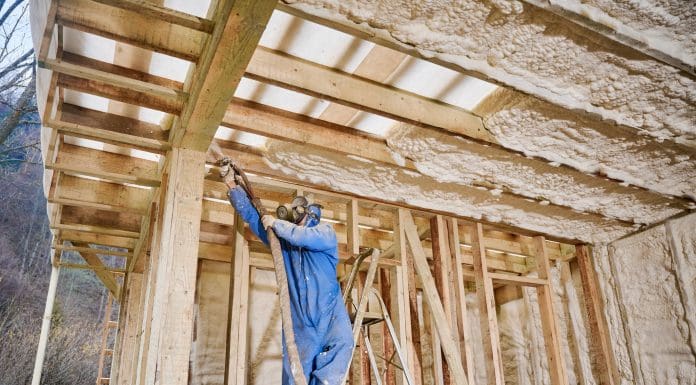
A new report published by the National Retrofit Hub (NRH) has called for a comprehensive overhaul of the UK's current retrofit system. The findings highlight significant gaps in the current framework for upgrading residential and commercial properties to meet modern energy efficiency standards, advocating for clearer policy direction, streamlined processes, and robust delivery mechanisms.
According to the NRH, the current fragmented approach to building upgrades creates friction for supply chains and uncertainty for property owners. To meet long-term decarbonisation targets, the report stresses the need for stronger coordination between national policy, local authorities, building material suppliers, and trade professionals.
The push for a more structured retrofit market directly affects contractors, installers, and merchants across the UK. A nationwide scale-up in retrofit projects demands a reliable pipeline of certified tradespeople, particularly in insulation, heat pump installation, and specialized building fabrics. Strengthening the system provides local builders and specialist sub-contractors with clearer visibility on long-term project demand, encouraging investment in upskilling and accredited training.
For building merchants and manufacturers, a unified retrofit framework offers a clearer picture of material requirements. Demand for high-performance insulation, airtightness membranes, specialized fixings, and advanced heating controls is expected to stabilize, reducing supply chain bottlenecks and supporting consistent stocking levels across local branches.
What does this mean for a UK tradesperson or DIYer actually buying this kit — does it change what they should pay, buy, or watch out for? Right now, it does not immediately alter the shelf price of insulation or specialized tooling at merchants like Screwfix, Toolstation, or Travis Perkins. However, contractors and serious DIYers planning insulation or draft-proofing work should expect stricter compliance standards and tighter material specifications to become standard requirements for grants or local authority sign-offs. Installers should prioritize purchasing certified products that meet PAS 2035 standards and ensure their tooling supports compliant installation methods. Buying uncertified materials or cutting corners on thermal detail may lead to costly rework if retrofitting regulations tighten as the NRH recommends.
Reported by PBC Today — original article
Price alerts on the kit you're watching, plus the deals our team files each day.
Create a free account