







































How modern insulation standards are shifting heating design in UK new builds toward flexible electric fires and secondary localized heating solutions.
As the UK construction industry aligns with tighter thermal performance requirements and modern building regulations, the heating demands of new-build residential developments are undergoing a major shift. Highly insulated, airtight building envelopes drastically reduce the baseline energy needed to heat a modern home, changing how occupants interact with primary and secondary heat sources.
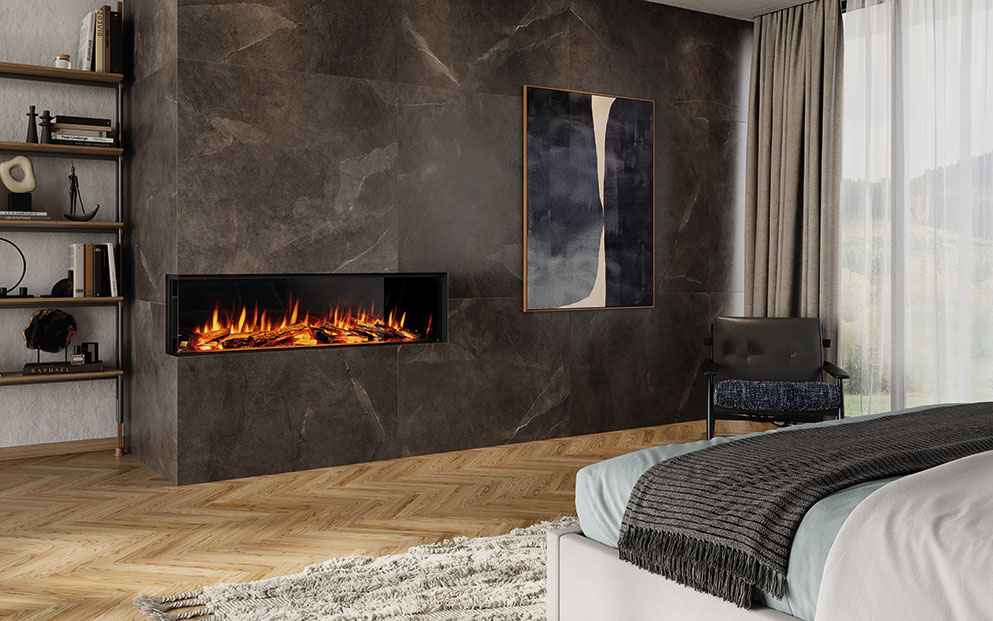
With central heat pumps and low-temperature hydronic systems handling background space heating, traditional wood-burning stoves and high-output gas fires are increasingly impractical for modern interiors. Instead, housebuilders are turning to electric fires to provide focal-point design flexibility and fast, controllable localized warmth without risking property overheating.
Electric fires eliminate the need for costly flues, chimneys, or dedicated gas supply pipework, giving developers greater freedom when laying out floor plans. They also offer precise, independent thermostatic control, allowing homeowners to operate visual flame effects independently from the heating element to manage energy usage effectively.
What does this mean for a UK tradesperson or DIYer actually buying this kit — does it change what they should pay, buy, or watch out for?
For joiners, electricians, and general builders working on extensions or fit-outs, this shift means increased demand for media wall installations and integrated electric focal points. Rather than purchasing complex stove setups, trades should focus on specifying unit-depth-friendly electric suites that fit standard studwork configurations. When sourcing from outlets like Wickes, B&Q, or national builders' merchants, look for models featuring LED technology and programmable timers to ensure compliance with modern efficiency expectations while avoiding unnecessary structural costs.
Reported by Housebuilder & Developer — original article



Price alerts on the kit you're watching, plus the deals our team files each day.
Create a free account