







































Discover the hidden risks of borrowed neutrals in electrical installations and how electricians can maintain BS 7671 compliance during safe isolation.
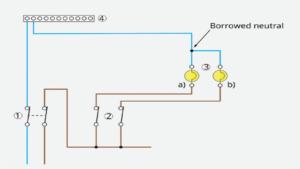
Safe isolation is a foundational procedure for any electrician working on low-voltage installations in the UK. However, the presence of a borrowed neutral—where a single neutral conductor is shared across multiple final circuits—poses a severe risk of electric shock, even after the main circuit breaker for a specific line circuit has been locked off.
While modern installations following BS 7671 regulations strictly forbid cross-circuit neutral sharing, older domestic and commercial wiring frequently contains borrowed neutrals, particularly on two-way lighting circuits. Electricians performing routine maintenance or consumer unit upgrades face significant hazard if a shared neutral remains energized via a secondary circuit that is still in service.
To mitigate the risk, tradespeople must strictly follow verified safe isolation procedures using accurate, calibrated voltage indicators rather than relying solely on circuit identification labels at the distribution board. Safe isolation is not complete until every live conductor, including neutrals, is verified as dead relative to earth and other lines.
What does this mean for a UK tradesperson or DIYer actually buying this kit — does it change what they should pay, buy, or watch out for?
For sparks and serious DIYers, this hazard highlights why cheap or non-compliant voltage testers should never enter your tool bag. Investing in a quality, GS38-compliant voltage indicator and proving unit kit—available from major trade merchants like Screwfix and Toolstation—is non-negotiable. Furthermore, contractors pricing consumer unit replacements or rewires should factor in additional labor time for testing and rectifying broken or shared neutral paths to avoid unpaid callbacks and guarantee legal compliance with current wiring regulations.
Reported by Professional Electrician — original article




Price alerts on the kit you're watching, plus the deals our team files each day.
Create a free account